






 Portuguese
  Spanish


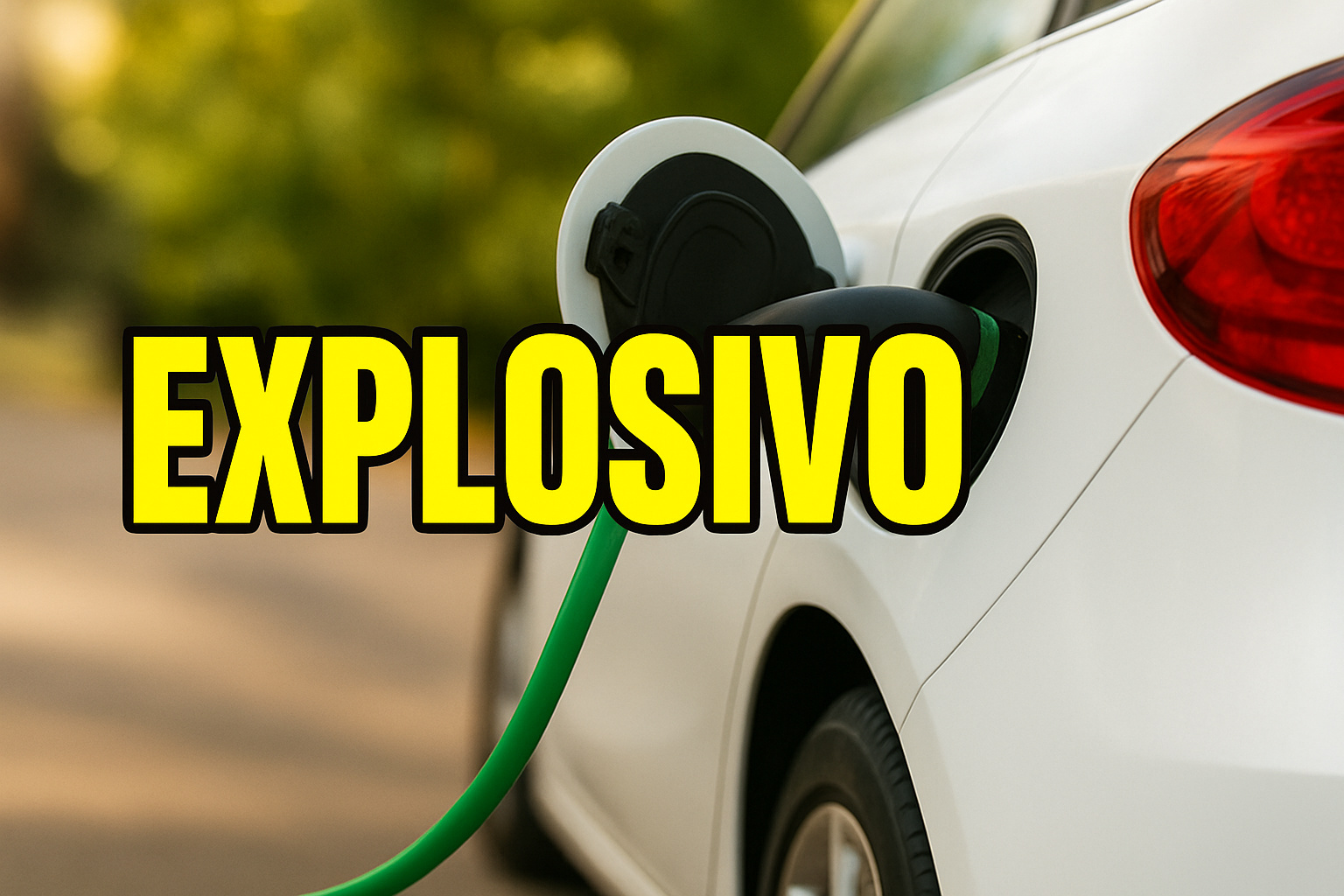

Energy Consumption By Electric Vehicles In Brazil Grows 20 Times In 4 Years And Accelerates The Energy Transition.
Brazil Accelerates Energy Transition With The Advancement Of Electric Vehicles
The energy consumption by electric vehicles in Brazil has exploded in the last four years, marking a turning point in the national energy matrix.
According to data from the Energy Research Company (EPE), electricity use in road transport jumped from 14 GWh in 2020 to 309 GWh in 2024, a growth of more than 20 times.
This transformation is already changing the structure of national consumption and strengthening the energy transition. For the first time, the National Energy Balance (BEN) 2025, prepared by the EPE and the Ministry of Mines and Energy (MME), officially accounts for electricity in the road transport sector.
-
Chery Offers Lifetime Battery Warranty and Car Replacement for Major Failures Under New Chinese Regulations

-
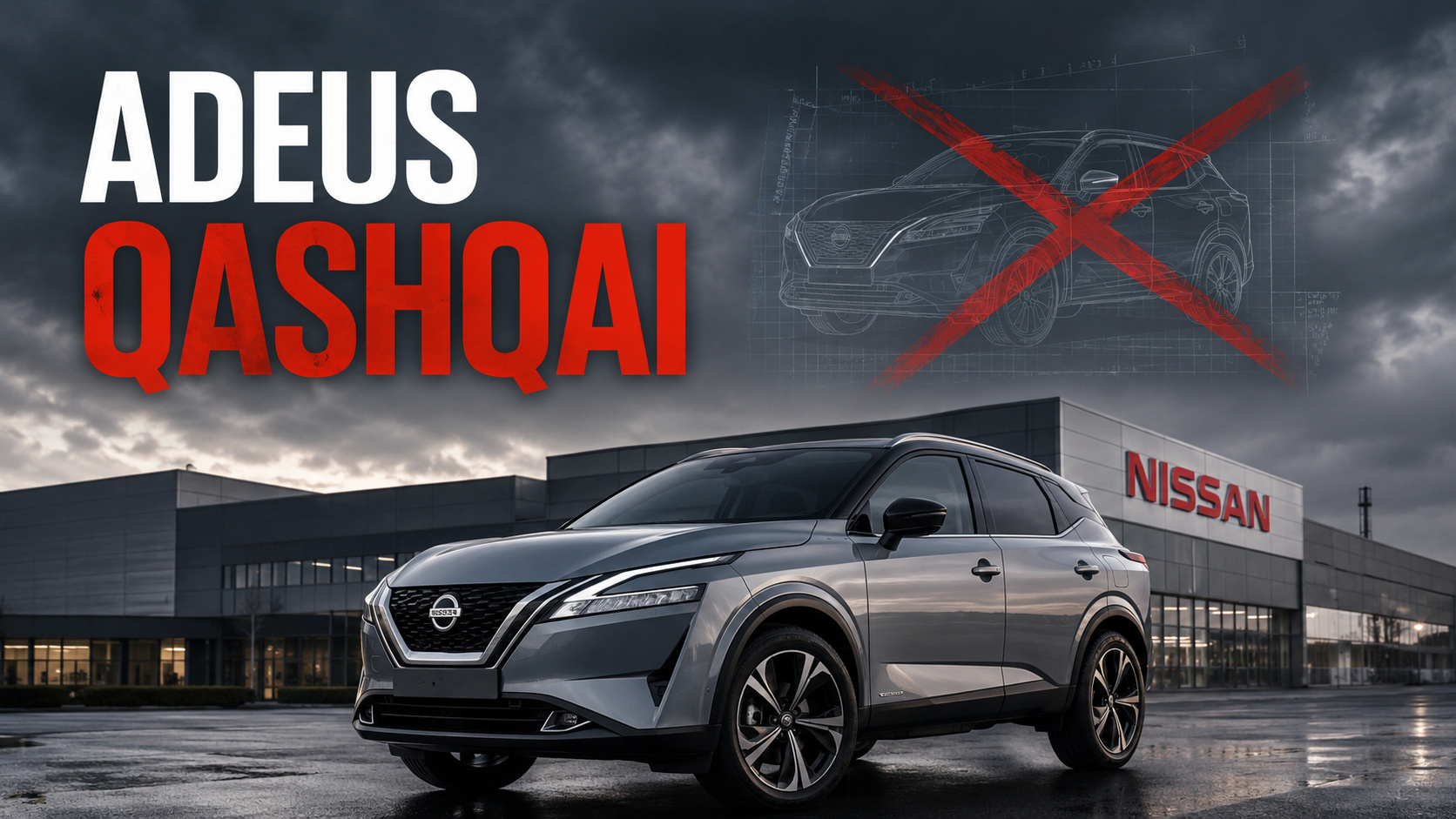
Nissan Discontinues Qashqai SUV Amid Cost-Cutting, Chinese Competition, and Product Line Review
-
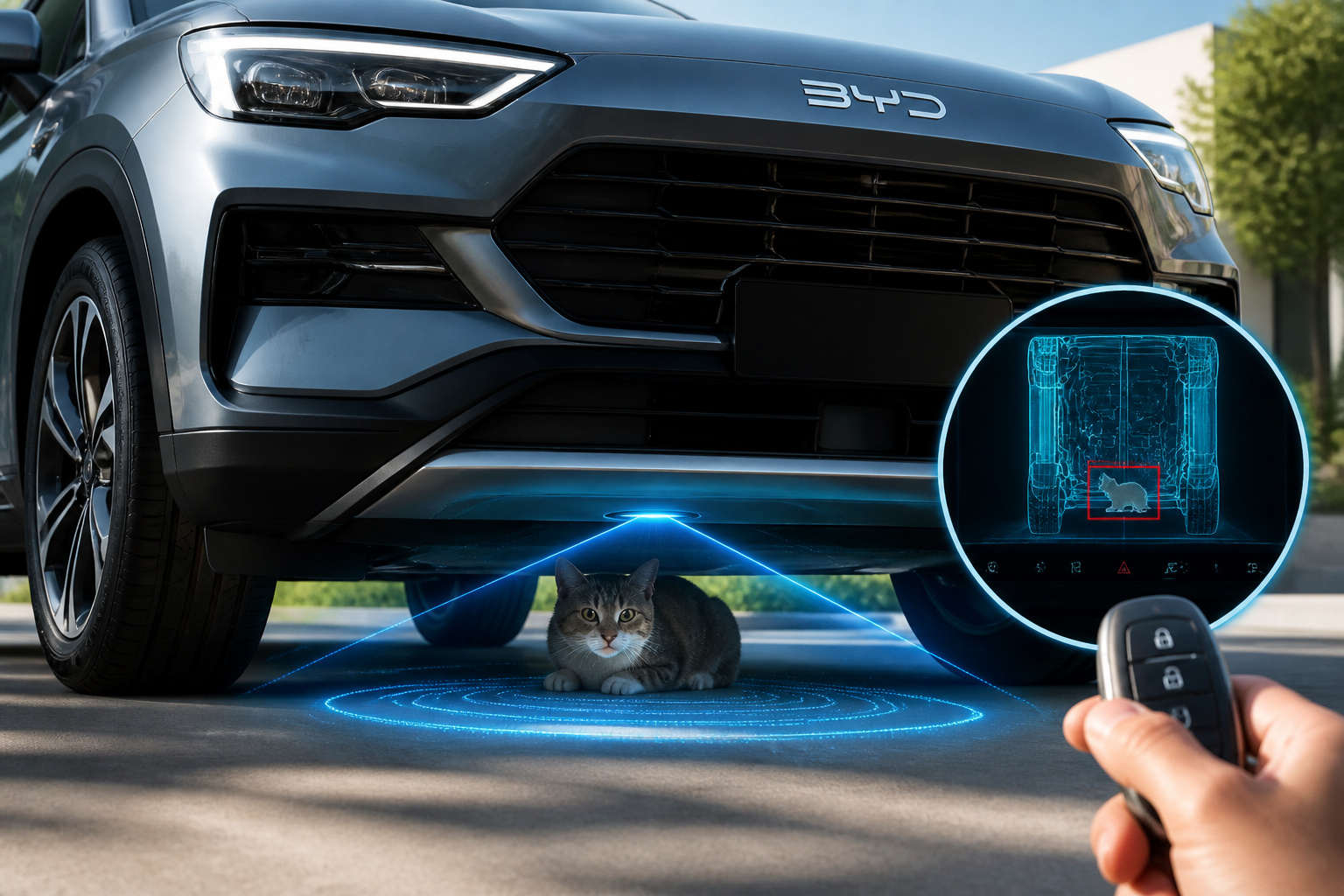
BYD Patents Revolutionary System Using Computer Vision to Detect Animals Under Cars Before Starting, Preventing Tragedies

-
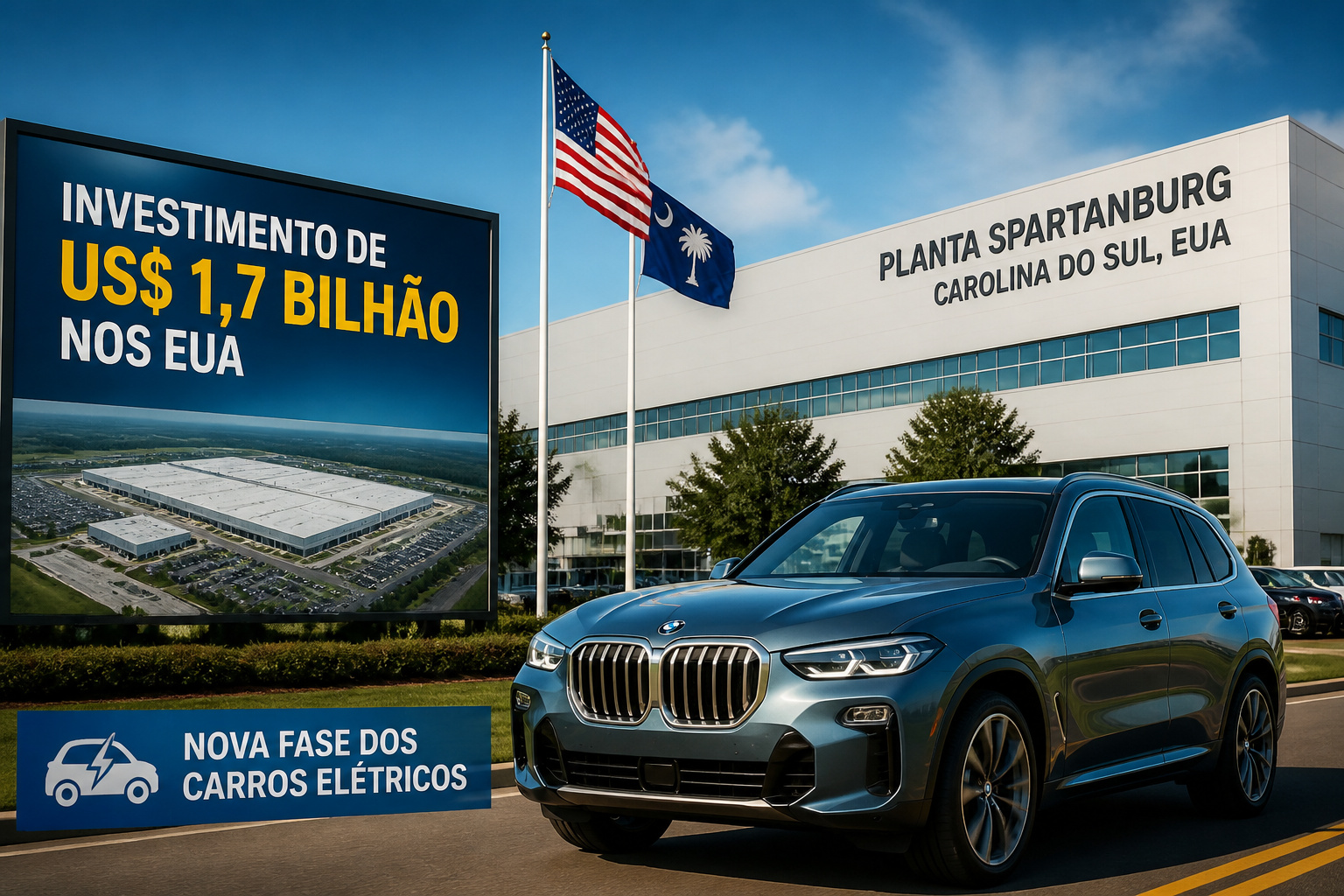
BMW Completes $1.7 Billion Investment in the U.S. for Electric Vehicle Production, Positions South Carolina for New Generation as Rivals Reassess EV Race

The advancement of electric vehicles in the country accompanies the expansion of charging infrastructure and the reduction of costs, solidifying itself as a central vector of the new energy matrix.
Electric Vehicles Drive Energy Consumption In The Country
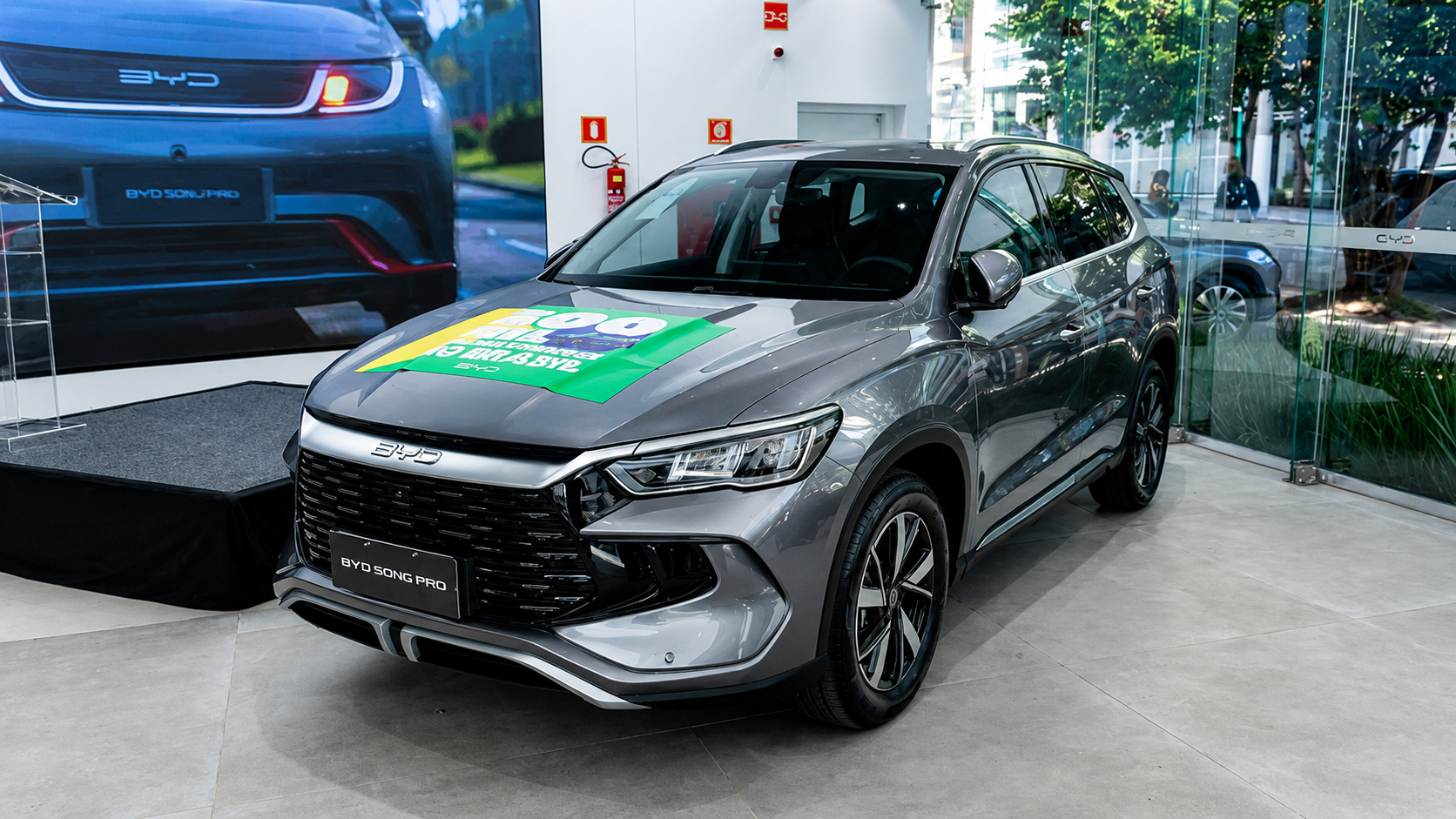
The number of plug-in electric vehicles licensed in Brazil surged from 1,900 units in 2020 to over 215,000 in 2024. Passenger cars account for more than 90% of this growing fleet, followed by light commercial vehicles, buses, and trucks.
This accelerated increase directly drives the energy consumption and changes the profile of electric demand. Moreover, it reflects the arrival of new models on the market, the expansion of vehicle autonomy, and the decrease in prices, factors that make the technology more accessible.
According to the EPE, “the significant increase is mainly linked to the growth in the number of electrified models available in the market, the reduction in prices, and the increase in the autonomy of these vehicles”.
Historic Milestone In The National Energy Balance
This is the first time that the BEN officially incorporates electricity consumption data in road transport. This demonstrates that electric mobility has ceased to be a niche movement and has begun to occupy a relevant space within the Brazilian energy matrix.
In 2024, total energy consumption in transport grew 2.7%, with a highlight for the renewability of the sector, which reached 25.7%. This advance was driven not only by electric vehicles but also by the increased use of biodiesel (+19.3%) and hydrous ethanol (+30.1%).
Thus, electric mobility consolidates itself as an essential part of the energy transition in Brazil.
Energy Transition Gains Momentum With Electrification Of Transport
For the EPE, the electrification of road transport already represents a new strategic axis in the energy transition.
In addition to electric vehicles, Brazil reached 50% of renewable sources in its total energy matrix and 88.2% of renewability in the electrical matrix in 2024 — numbers far superior to the global average.
“The advancement of electromobility is not just technological, it is structural. It requires integration between transport, energy, and environment policies to ensure balance between supply, demand, and sustainability,” the report highlights.
Therefore, the mass adoption of electric vehicles not only reduces emissions but also reinforces Brazil’s position as a power in clean energy.
Challenges And Opportunities For The Future
With the rapid growth of electric vehicles, the country needs to adapt its electrical infrastructure to sustain the new demand.
The BEN warns that electricity will have an increasingly prominent role in the transport sector until 2034, in line with the popularization of plug-in hybrid vehicles and new charging technologies.
This transformation creates management and planning challenges, but also opens up space for unprecedented opportunities. By reducing dependence on fossil fuels, Brazil strengthens its strategy for decarbonizing the economy.
Favorable Energy Context For The Growth Of Electromobility
The current scenario is highly favorable. The internal supply of electricity in the country grew 5.5% in 2024, driven by an increase in solar generation (+39.6%) and wind generation (+12.4%). Today, 23.7% of electricity comes from these clean sources.
Furthermore, the country has one of the cleanest electricity matrices in the world, with average emissions of only 59.9 kg of CO₂ per MWh. This renewable base makes the impact of electric vehicles even more positive for the environment.
Since 2004, the National Energy Balance has established itself as the main reference for analyzing energy supply and consumption in Brazil, reinforcing its strategic role in the global energy transition.





Fantastic beat I would like to apprentice while you amend your web site how could i subscribe for a blog site The account helped me a acceptable deal I had been a little bit acquainted of this your broadcast offered bright clear concept
Your blog is a treasure trove of valuable insights and thought-provoking commentary. Your dedication to your craft is evident in every word you write. Keep up the fantastic work!