Portuguese
  Spanish


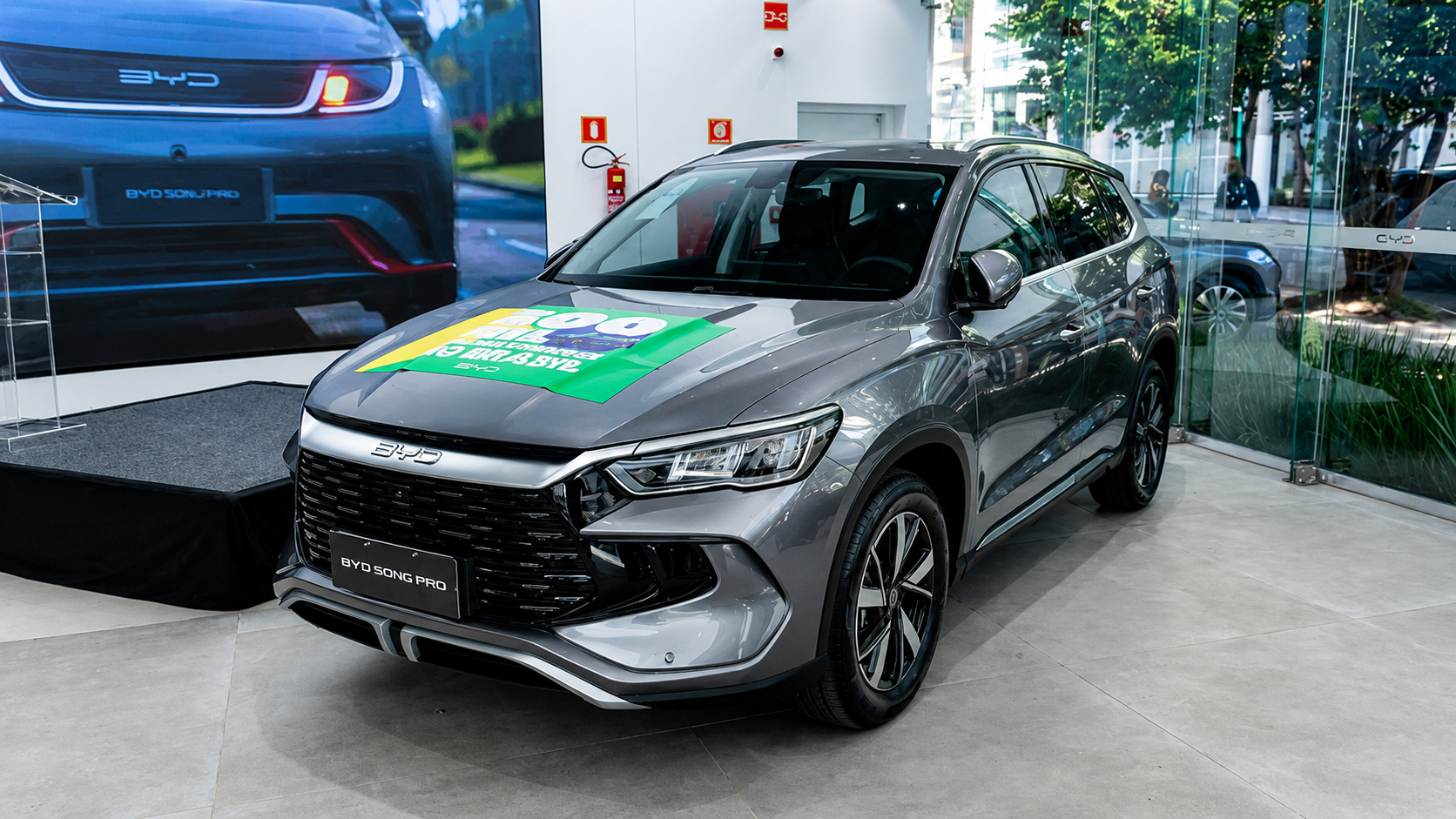

Brand reached 300,000 vehicles sold about six months after 200,000, with the Dolphin Mini leading retail and an estimated saving of 1.13 million tons of CO₂.
BYD Brazil reached the milestone of 300,000 vehicles sold in the country and achieved the number with a rare speed in the sector: about six months after hitting 200,000 registrations. The advance reinforces the strength of electrified cars in the Brazilian market and places the Dolphin Mini at the center of the brand’s surge.
The vehicle that marked the 300,000th sale was the BYD Song Pro GL. Meanwhile, the Dolphin Mini has established itself as the best-selling electric car in Brazil, with over 86,000 sales, while the Dolphin GS surpassed 51,000 registrations and helped pave the way for the brand among consumers.
According to canalve, the company’s trajectory is also accompanied by a significant environmental impact: the automaker claims to have avoided the emission of more than 1.13 million tons of CO₂ in the country. In the comparison used by the manufacturer itself, this is equivalent to planting 7,927,758 trees.
-
Brazil Faces Surge in Copper Wire Thefts at Electric Car Charging Stations, Leaving Drivers Stranded

-
Jetour S06 Launches in Brazil as a More Affordable Plug-In Hybrid SUV Than BYD Song Plus and Haval H6, But Tests Highlight Its Shortcomings

-
Electric and Hybrid Cars Set to Transform Brazilian Streets: A New Era Begins
-
Chinese Giant Invests $1.3 Billion in Brazil to Produce 50,000 Cars Annually, Create Jobs, Develop Local Suppliers, and Manufacture Electric, Hybrid, and Combustion Models by 2027
From 100,000 to 300,000: the brand accelerated at a strong pace
The numbers help to gauge the speed of expansion. From BYD’s first car to the 100,000th vehicle, it took 34 months. Then, the brand took 11 months to go from 100,000 to 200,000 registrations. Now, the leap from 200,000 to 300,000 happened in approximately six months.
For the manufacturer, this curve shows the consolidation of electrification in the country and a clear change in Brazilian consumer behavior. The company states that the advance did not happen by chance, but after more than a decade of operation in the country, with presence in areas such as electric buses, batteries, and solar panels.
Dolphin Mini became the brand’s main name in retail
Among the models sold by the brand, the Dolphin Mini has taken on the most symbolic role of the current phase. BYD says the car leads national retail in 2026 and has already become the best-selling electric car in Brazil, with over 86,000 units sold.
The Dolphin GS appears as another important highlight of the line, with over 51,000 registrations. In the company’s assessment, these numbers prove public acceptance and help explain why the brand gained speed so quickly in the Brazilian market.
Dealership network grows and factory in Bahia becomes central piece
Today, BYD has 217 dealerships in Brazil and aims to reach 250 in the coming months. The expansion of the network accompanies the increase in the brand’s presence in the market and supports the growth of sales in different regions of the country.
In addition to passenger cars, the company continues to invest in electric buses and has also participated in infrastructure projects, such as the development, manufacturing, and delivery of trains and part of the systems for the São Paulo Metro Line 17-Gold, inaugurated in March 2026.
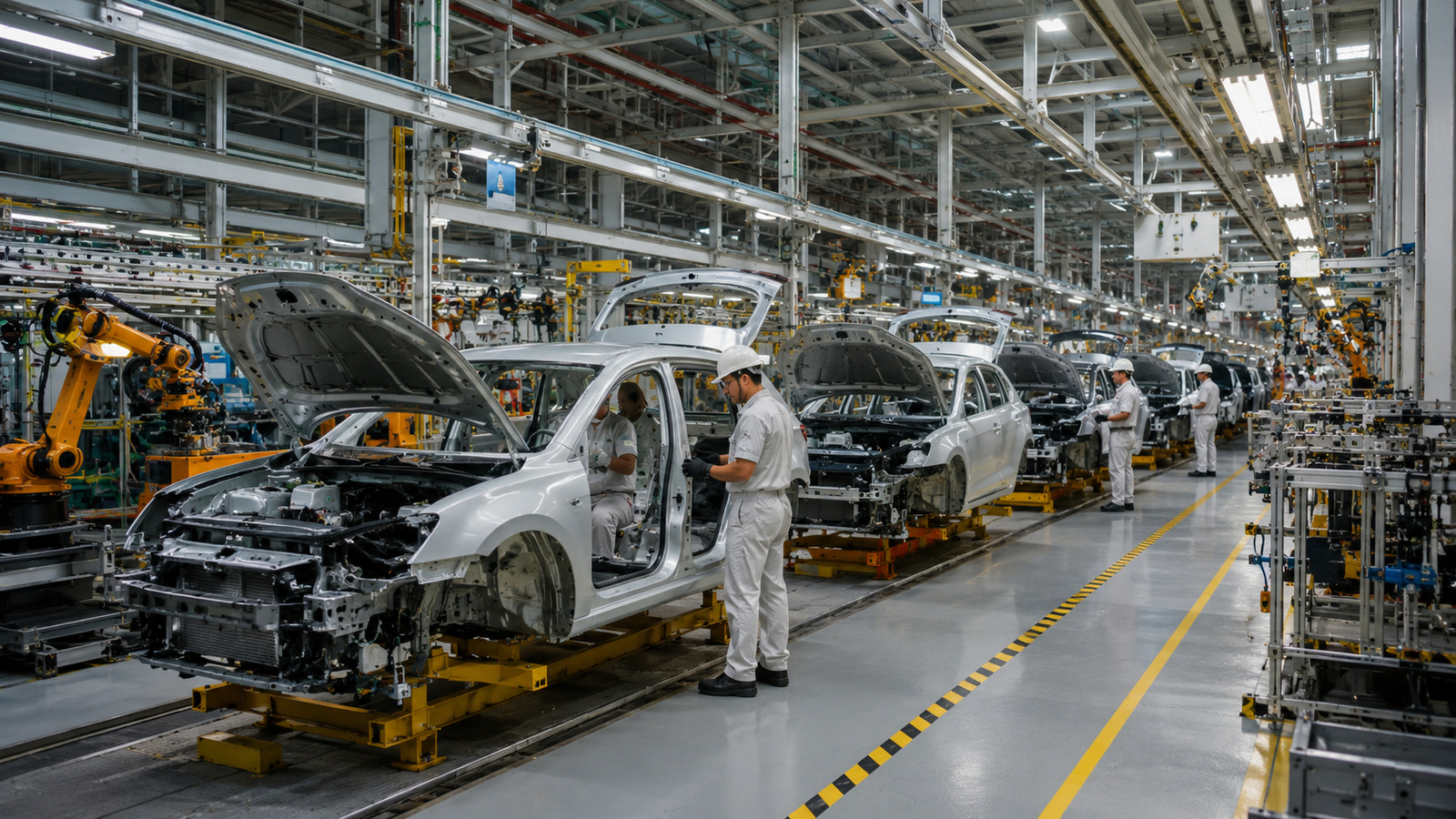
Another relevant aspect of the operation is the industrial complex in Camaçari, Bahia, inaugurated in October 2025. The unit is the brand’s largest factory outside Asia and also focuses on investments in batteries and solar panels.
Environmental impact has become a central part of the strategy
In addition to commercial volume, BYD has been using the environmental argument as one of the pillars of its expansion in the country. The estimate released by the company indicates that the 300,000 cars already sold in Brazil have prevented the emission of 1,132,537 tons of carbon dioxide.
According to the manufacturer, this reinforces the importance of electric mobility in the national market and supports the long-term investment made by the company since its arrival in the country. The brand states that the current moment is the consolidation of a project initiated more than a decade ago.
With the sale of 300,000 cars, BYD Brazil enters a new phase of scale in the country and begins to measure its strength not only by commercial volume but also by industrial presence and the advancement of electrification. If you follow the automotive market, it’s worth keeping an eye on the brand’s next moves and the response from rivals.