Portuguese
  Spanish


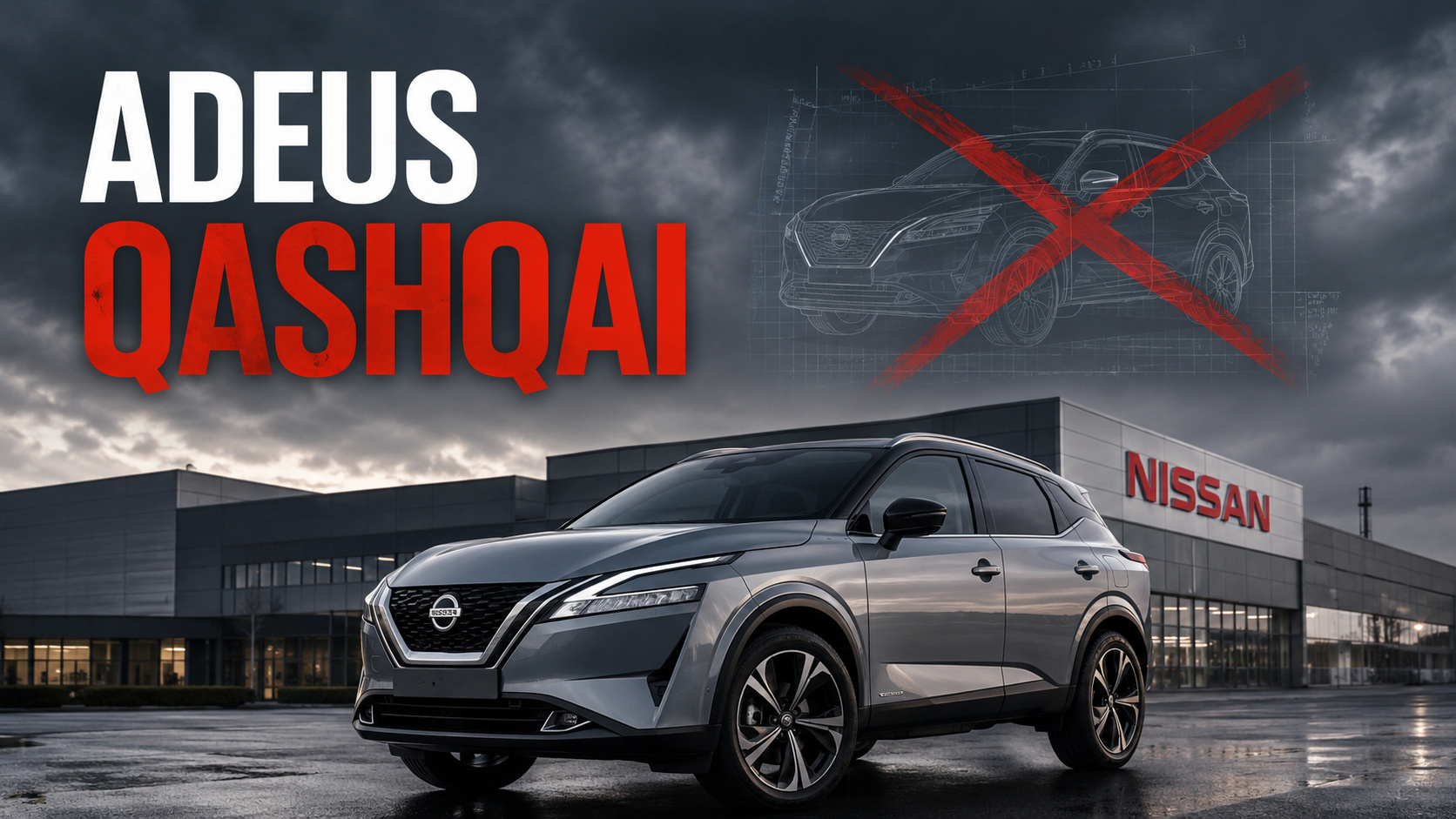

Nissan pulls back on the electric Nissan Qashqai project, delays the bet on one of its most important SUVs in Europe, and exposes Chinese pressure on the electric car race while the model may be delayed until the next decade
Nissan has given up on producing a fully electric version of the Qashqai in the UK, according to Reuters. The change affects one of the brand’s most important models in Europe and scrambles the automaker’s electric transition timeline.
The project, which had been announced for the Sunderland plant in England, lost momentum amid cost-cutting strategies and streamlining of offerings. Now, the electric Nissan Qashqai may only appear around 2030, which represents a significant shift for an SUV that is the brand’s best-seller on the continent.
The decision also highlights the growing pressure from Chinese rivals in the European electrified market, a segment where Nissan has been trying to reposition itself. At the same time, the automaker remains under financial pressure, with poor sales results and internal adjustments to try to regain momentum.
-
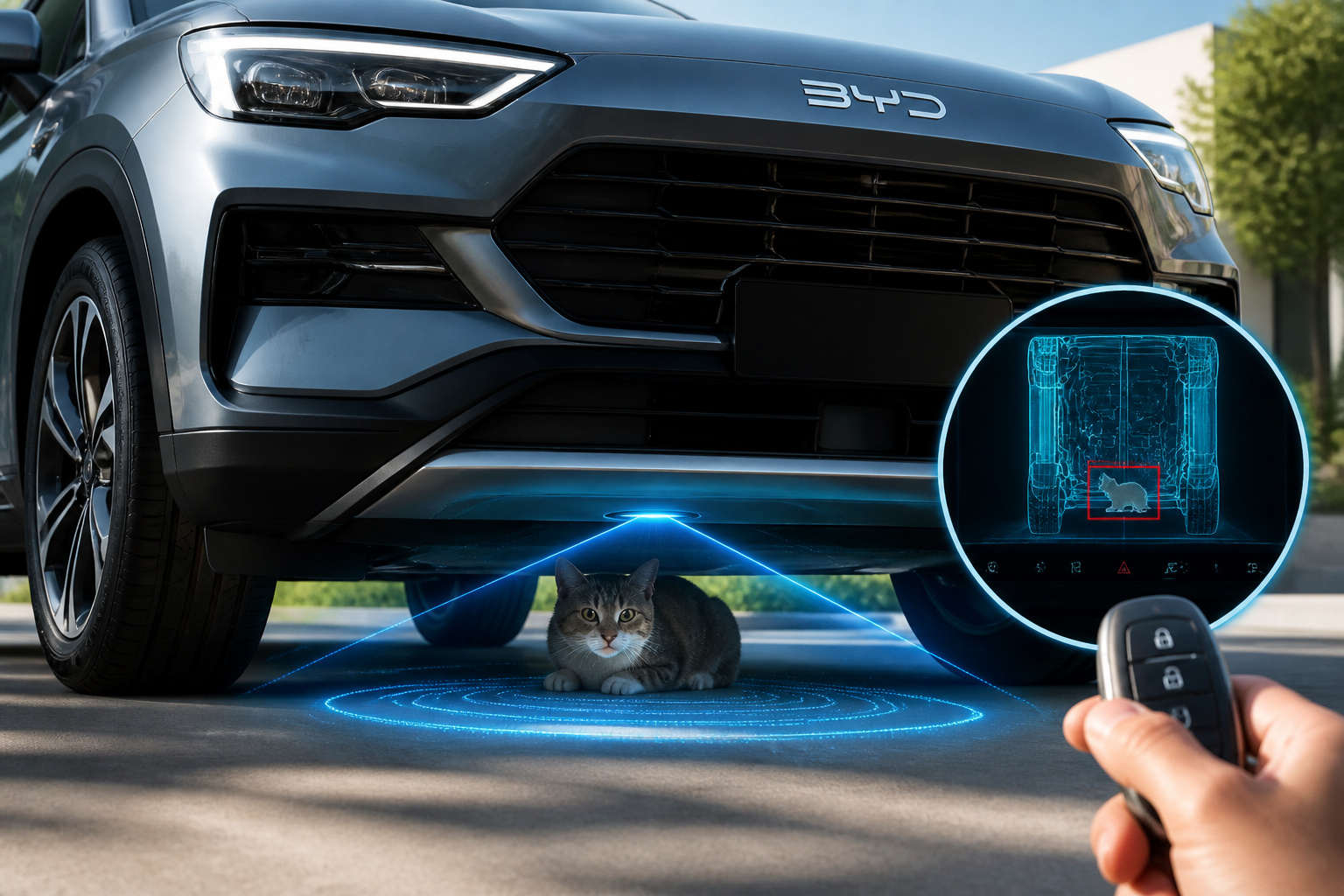
BYD Patents Revolutionary System Using Computer Vision to Detect Animals Under Cars Before Starting, Preventing Tragedies

-
Study Reveals Why Cars Are More Expensive to Produce and Buy in Brazil Compared to Mexico, Highlighting Taxes, Logistics, and Industrial Costs as Key Factors.
-
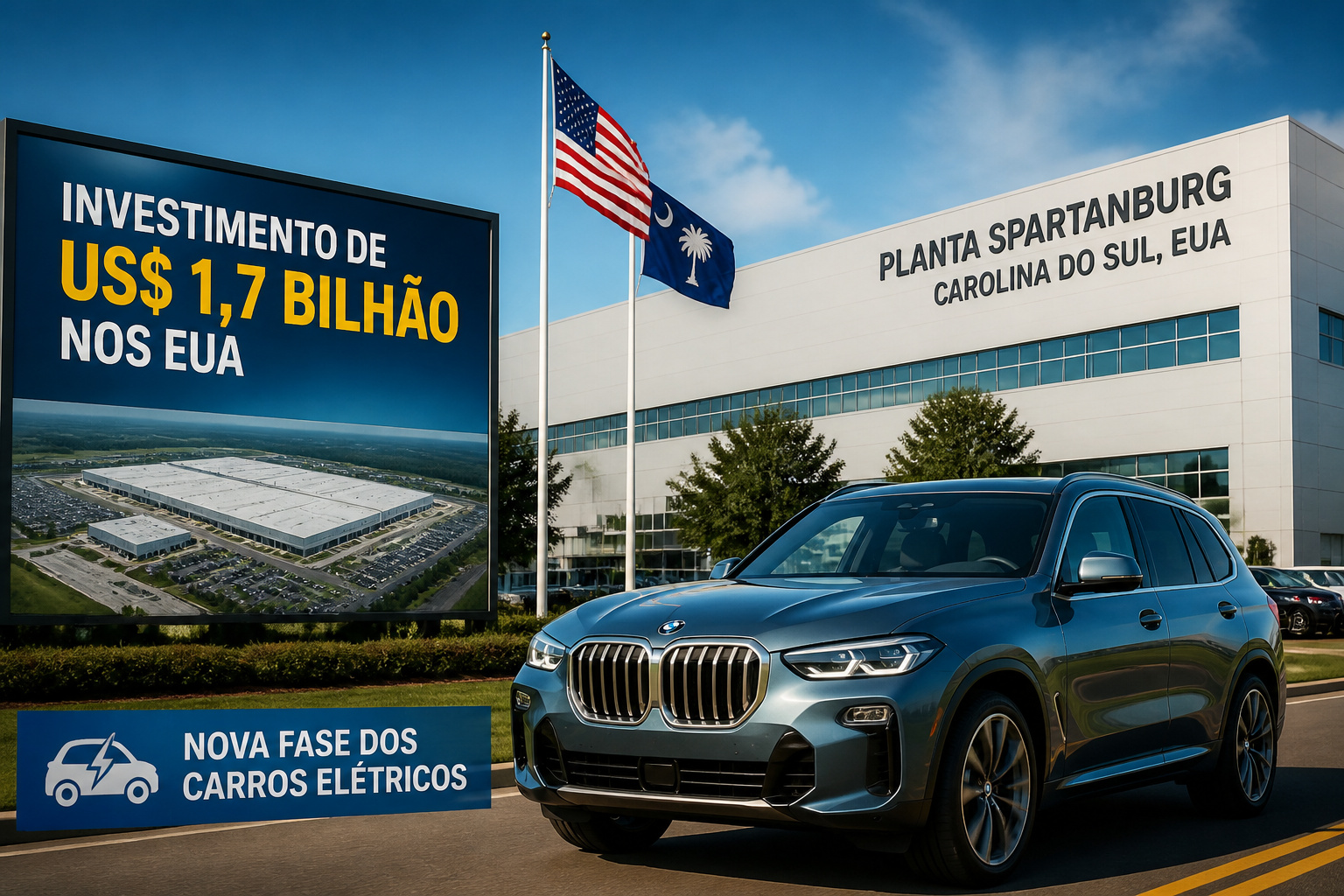
BMW Completes $1.7 Billion Investment in the U.S. for Electric Vehicle Production, Positions South Carolina for New Generation as Rivals Reassess EV Race
-
Toyota to Open New Factory in Brazil by November 2026 with $2.2 Billion Investment, Creating 2,000 Jobs, and Ending Corolla Production in Indaiatuba



The electric Qashqai is no longer a priority and enters the waiting line
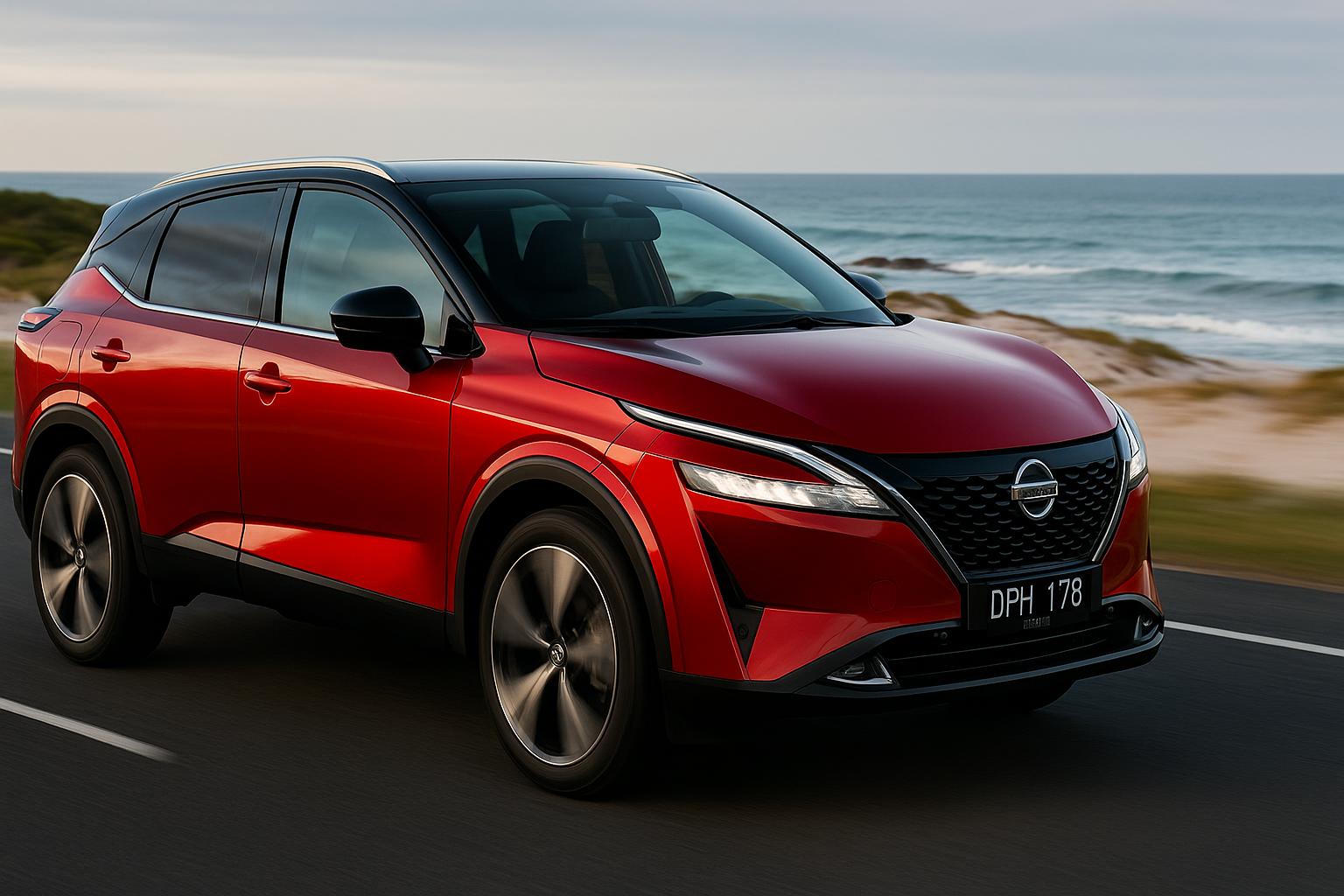
In 2023, Nissan had announced the production of an electric version of the Qashqai in Sunderland, a move that was celebrated by company executives and British authorities. At the time, the project was seen as a strong bet within the brand’s electrification lineup.
Now, this expectation has been pushed forward. The information is that the model should not “come out of the oven” before 2030, although the automaker has not publicly detailed a new official schedule. The pullback shows that the decision was not just a product adjustment, but a repositioning within the company’s own strategy.
Chinese pressure weighs on the electric race in Europe
The change comes at a time when traditional automakers face heavy competition from Chinese manufacturers in the electrified vehicle segment. This advance has squeezed margins, shortened space for launches, and forced brands like Nissan to review pace, portfolio, and costs.
In practice, the withdrawal of the electric Qashqai from the British assembly line shows how the competition in Europe has become tougher. It’s not just about launching another electric car, but about deciding where to invest, when to accelerate, and which models still make sense within a more demanding equation.
Sunderland remains at the center of the strategy, but with fewer promises
The Sunderland factory remains an important piece for Nissan, but the plan around it has been revised. The statement and the cited report do not detail what additional changes might be made to the plant, nor if the postponement of the electric Qashqai will make room for other models.
What is already clear is that the automaker is in a phase of cuts and a broader reassessment of the product line. In recent years, the company has also been dealing with losses, factory closures, and employee reductions, in an attempt to reorganize its global operation.
Leaf and Juke remain bets as Nissan redesigns electrification
Despite the setback with the electric Qashqai, Nissan has not abandoned the transition to electric cars. The brand recently launched models like Leaf and Juke, which arrived surrounded by expectations and remain within the company’s electrification strategy.
Even so, the revision around the company’s most popular SUV in Europe shows that the next stage of this race may be slower than it seemed. For the market, the signal is clear: the competition for electric vehicles depends not only on technology but also on cash, timing, and the ability to withstand pressure from competitors.
If you follow the automotive market, it’s worth keeping an eye on Nissan’s next steps and the changes that may come to the brand’s European lineup. Comment and share the news with those who follow electric cars.