






 Portuguese
  Spanish


Crescent Turnover, Lack of Youth, and Scarcity of Qualified Labor Put Wholesale Under Pressure in Brazil, According to Study by FecomercioSP. Operational Costs, Difficulties in Retention, and Impact on Productivity Mark the Current Scenario.
The rise of turnover and the decline in the presence of youth are pressuring the Brazilian wholesale sector. The industry faces a lack of qualified professionals and rising costs to maintain operations.
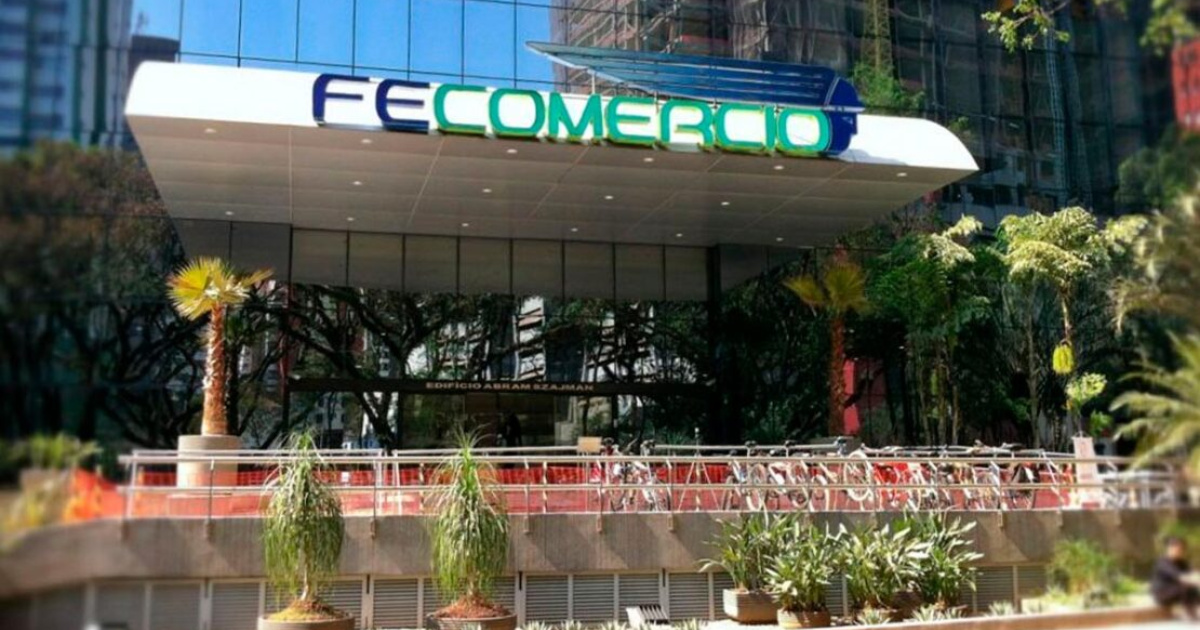
The assessment comes from FecomercioSP, an entity that brings together businesses in commerce, services, and tourism in the State of São Paulo, in a study that heard the sector and points out direct impacts on the daily operations of companies.
Immediate Impacts on Operations and Costs
According to FecomercioSP, the frequent replacement of workers compromises routines, reduces productivity, and increases expenses with recruitment and training.
-
Woman Turns Apartment into Storage with 158 Pairs of Shoes and 140 Pants, Accumulating $47,000 Debt Due to Compulsive Buying

-
Defying Medical Odds for 65 Years, 72-Year-Old Brazilian Acarajé Vendor Continues Family Legacy

-
Brazil’s Most Famous Fish Travels Over 600 km Against the Current, Overcomes Dams with Eco-Friendly Ladders, and Navigates Flooded Rivers in a Remarkable Migration for Reproduction
-
Revive Old Photos: Gemini’s Little-Known Feature Uses AI to Restore Damaged Images in Seconds with a Professional Six-Step Recovery Process



The evaluation is that the scenario is already affecting the competitiveness of companies that operate with tight margins and strong dependence on specialized teams, especially in areas with higher technical demands.
Moreover, the pressure does not come only from the difficulty of hiring.
Retaining talent has become an additional challenge and contributes to the loss of institutional knowledge.
The entity points out that this movement results in shorter contracts, incomplete function handovers, and a greater risk of interruptions in critical processes.
Continuity Declining in Paulista Wholesale
The data shows that the average tenure in employment has fallen.
Ten years ago, workers in Paulista wholesale stayed about 28 months in the same position.
Today, the average is 26 months.
In three sectors — pharmaceutical products, food, beverages, and tobacco, and agricultural raw materials and live animals — the tenure does not reach two years, which weakens operational continuity.
According to the study, this reduction in tenure is accompanied by an environment where the competition for labor escalates and pressures wages and benefits.
FecomercioSP notes that simply raising remuneration has not been enough to prevent the fluctuation of professionals.

Youth Losing Space in the Wholesale Sector
The participation of the younger population has decreased over the last decade. In 2010, young people accounted for 22% of formal positions in wholesale. Currently, they represent 17%.
For FecomercioSP, this decline indicates less interest from younger generations in building a career in the sector, which narrows the entry funnel and reduces the pool for future leaders.
Meanwhile, areas that rely on technical expertise continue to have a modest pace of job creation.
In June, there were 254 openings in high-technology segments in wholesale, a number interpreted as a reflection of the scarcity of available specialized professionals.
Competition for Talents and Impact on Business Models
The competition for qualified profiles has repercussions beyond the payroll.
According to the entity, operational costs increase when companies resort to emergency hires, occasional outsourcing, and overtime to cover gaps.
The study indicates that business models based on logistical efficiency, consultative service, and integration with the industry become more susceptible to failures.
Ronaldo Taboada, president of the Wholesale Trade Council (CCA) of FecomercioSP, summarizes the challenge.
“Full employment is an achievement for the country, but for the wholesale entrepreneur, it has also become a daily battle to find and retain good professionals. Human capital has become the great competitive differentiator,” he affirms.
Career and Work Environment at the Center of Strategy
The study’s guidance is clear: companies should not limit themselves to adjusting salaries.
For Taboada, it is necessary to “invest in a healthy environment, consistent benefits, and, above all, in real career plans.”
Without these fronts, he says, turnover tends to continue eating away at margins and productivity, with a cascading effect on deadlines, service, and relationships with suppliers.
Additionally, professional appreciation policies, development path design, and constant skills updates are cited as ways to stabilize teams.
In operations distributed across various regions, this package also includes process standardization, sharing of best practices, and close monitoring of HR indicators.
Training of Professionals and Technology as Solutions
FecomercioSP recommends that wholesalers expand “zero-based” training programs, building training platforms for functions critical to the business.
The proposal is to reduce dependence on ready candidates in areas where the market can no longer meet demand, such as technical sales, data intelligence, advanced logistics, and supply chain management.
On the other hand, investments in technology and training are cited as complementary.
Tools that automate repetitive tasks, integrated management systems, and analysis platforms can free professionals for higher-value activities.
This movement helps retain talent and make operations more resilient to fluctuations in staffing levels.
Attraction of New Generations
The study also suggests specific programs to attract youth. Among the recommended initiatives are employer branding actions, partnerships with technical schools and universities, and more direct communication about career opportunities in wholesale.
The idea is to reposition the image of the sector, traditionally associated with operational roles, and highlight opportunities in areas such as technology, strategic sourcing, B2B relationships, and sustainability.
Still, FecomercioSP emphasizes that retention depends on a combination of factors: clarity of progression, present leadership, transparent goals, and recognition for performance.
Without this set, companies see recruitment efforts lose momentum due to early departures.
People Management as Strategic Priority
With the scarcity of qualified labor, people management ceases to be a support activity and becomes part of the central strategy.
The study recommends that indicators such as turnover by area, replacement cost, time to fill vacancies, and competencies alignment be monitored with the same discipline dedicated to commercial and financial metrics.
While the framework remains challenging, FecomercioSP advocates for intensified HR governance, support for top leadership, and the adoption of feedback rituals that sustain engagement.
The entity assesses that, with more solid processes and tangible development offers, companies can reduce productivity losses related to turnover.
In the current scenario, the challenge is whether the wholesale sector will be able to reverse the talent drain and regain attractiveness among youth through changes in the work experience and greater clarity about professional development opportunities?




E só valoriza o trabalhador com melhores salário e benefícios
melhor condição de trabalho , plano de carreira incentivo a cursos profissionalizante e só compara os trabalhadores do setor da indústria e do comércio e serviço. Uma hora conta iria chegar!! Oque afasta as pessoas do comércio e serviço em geral e a exploração da mai de obra ebo não reconhecimento