





 Portuguese
  English
  Spanish
  3 min of reading
  0 comments


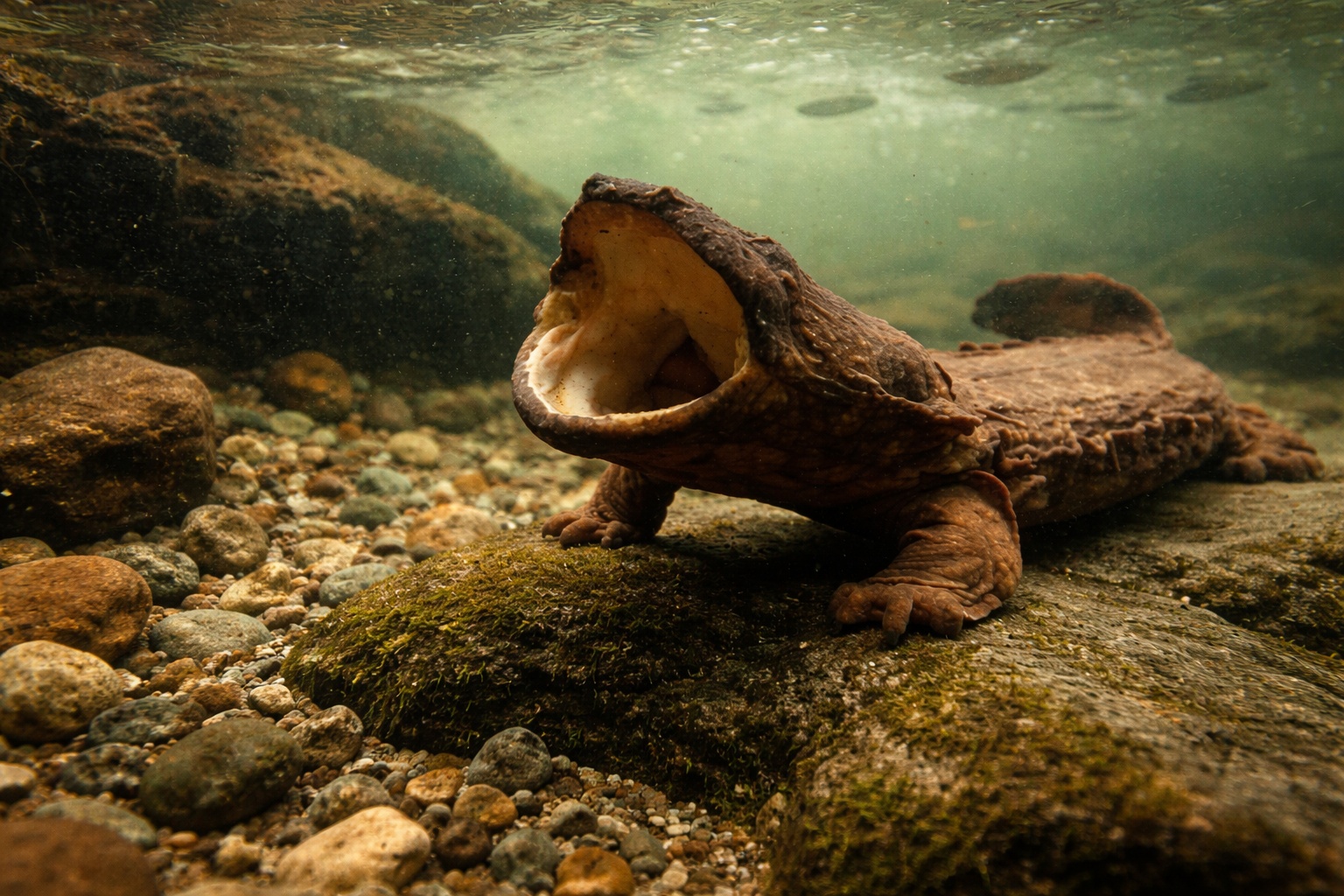
Found In Cold Rivers Of The USA, The Giant Salamander Cryptobranchus alleganiensis Can Live Up To 100 Years, Regenerate Complex Tissues, And Is Disappearing Due To Pollution And Habitat Destruction.
In The Cold, Crystal-Clear Waters Of The Appalachian Mountains And The Mississippi Valley Lives A Creature That Looks Like It Came From A Prehistoric Era. Commonly Known As Hellbender, The Giant Salamander (Cryptobranchus alleganiensis) Can Reach Over 70 Centimeters In Length, Weigh Up To 1.5 Kg, And Live Between 80 And 100 Years, A Rarity Among Amphibians.
Research Published In Journals Such As Herpetologica And Biological Conservation Shows That This Animal Not Only Defies Time, But Maintains An Extraordinary Ability To Regenerate Organs And Tissues, Including Internal Parts Such As Lungs And Liver, Something Uncommon Even Among Vertebrates With Known Regeneration.
Regeneration And Longevity: The Secret Of The Giant Salamander
Unlike Other Amphibians, The Hellbender Combines Extremely Slow Metabolism With Low Oxidative Stress, Biological Mechanisms That Reduce Cellular Wear.
-
Social media platforms will have new obligations in Brazil, and reports of crimes against children on the internet may reach the Federal Police more quickly.

-
Cold spot in the North Atlantic south of Greenland has been cooling for over a century, contrary to global warming, and a new study points to the weakening of ocean currents as the most likely cause.

-
The Solar System may have lost 2 giant planets, and new simulations now raise an even bigger problem involving Uranus’s moons, which may not have survived intact through the gravitational chaos of the past.
-
Obsessed with eliminating water waste, a factory in SC invests R$ 5 million, reduces consumption from 48,000 to just 3,000 liters per day, and today supplies about 70% of the flexographic market in Latin America.


Genetic Studies Indicate That The Animal Maintains Active Regeneration Functions Even In Old Age, Including Repair Of Muscle Tissues, Nerves, And Blood Vessels.
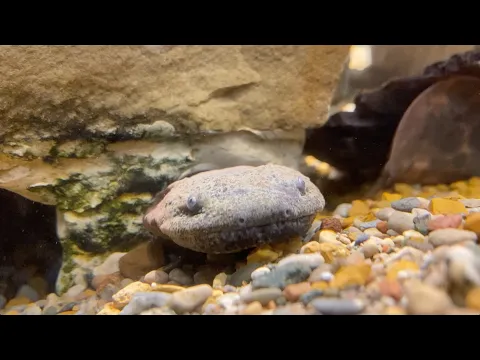

This Combination Allows The Cryptobranchus alleganiensis To Age Almost Imperceptibly. Scientists Describe It As An “Evolutionary Mirror” Of Regeneration, A Bridge Between The Mechanisms That Keep Small Salamanders Young And The Biology Of Large Terrestrial Vertebrates, Such As Us.
A Survivor From Another Era
The Lineage Of The Giant Salamanders Dates Back More Than 160 Million Years, Making Them Contemporary With The First Dinosaurs.
The Hellbender Is The Largest Amphibian In North America And A Distant Relative Of Even Larger Species Found In Asia, Such As The Chinese Giant Salamander (Andrias davidianus), Which Can Exceed 1.8 Meters.
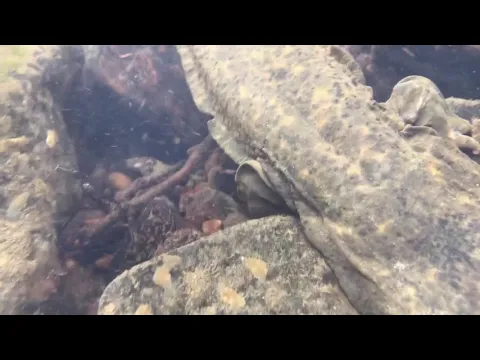
By Living Hidden Under Rocks In Strong Current Rivers, It Depends On Dissolved Oxygen In The Water, Absorbed Directly Through Its Wrinkled And Highly Vascularized Skin, A Respiratory System That Also Contributes To Its Longevity And Low Metabolic Rate.
Threats: An Ecological Symbol On The Verge Of Extinction
Despite Biological Resistance, The Hellbender Is Rapidly Declining. According To The U.S. Fish And Wildlife Service, Populations Have Fallen More Than 70% In Recent Decades.
The Main Cause Is River Pollution, Combined With Bank Erosion And Sedimentation, Which Bury The Rocks Under Which It Lives.
The Destruction Of Forests And The Increase Of Pesticides Reduce Water Purity, While Global Warming Alters The Thermal Balance And The Level Of Dissolved Oxygen, A Direct Blow To Its Unique Skin Respiration.
Additionally, There Is A Concerning Genetic Factor: Isolated Populations Have Shown Low Genetic Variability, Compromising Regeneration And Resistance To Fungal Diseases Such As Chytridiomycosis, Today One Of The Greatest Threats To Amphibians In The World.
The Race To Save An Almost Immortal Organism
American Universities And Environmental Organizations Have Created Breeding And Reintroduction Programs. The Hellbender Recovery Program, Led By The University Of Tennessee And State Partners, Has Successfully Released Hundreds Of Specimens Into Restored Rivers.

There Are Also Biomedical Research Efforts: Understanding How The Salamander Maintains Tissue Regeneration And Cellular Resistance Over A Century Of Life Could Open Paths For Human Aging Treatments And Organ Regeneration.
A Silent Reminder Of Ecological Fragility
The Cryptobranchus alleganiensis Represents A Paradox: An Almost Immortal Animal That Depends On An Extremely Fragile Environment. Its Existence Shows That Biological Longevity Is Not Enough When The Ecosystem That Sustains It Is In Collapse.
In The Rivers Of The United States, Where Its Populations Still Survive, The Hellbender Has Become A Symbol Of Resilience, Science, And Conservation, Reminding Humanity That The Secret To Long Life May Be Hidden In The Waters We Insist On Polluting.


-

-

-

-

-

15 people reacted to this.