






 Portuguese
  Spanish


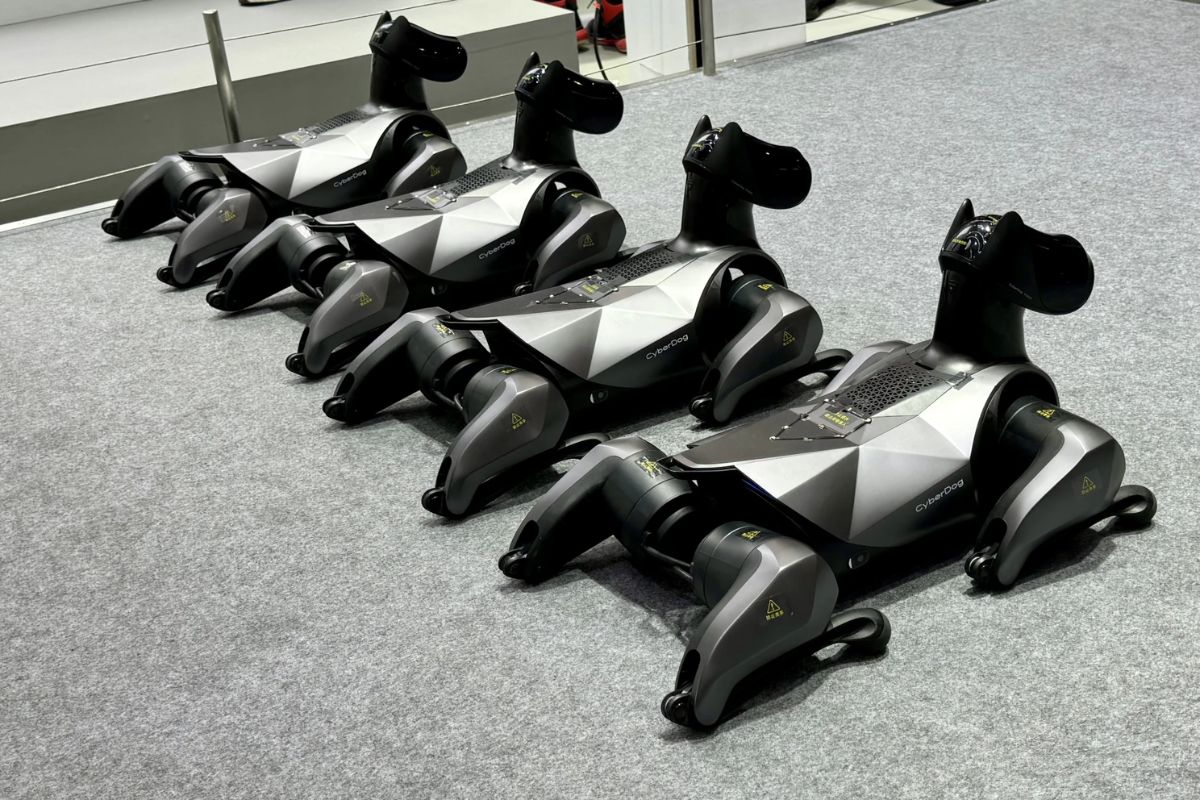


A Deep Dive Into The Technology Of Xiaomi’s Most Advanced Robot Reveals Its Capabilities, Limitations, And What It Represents For The Future Of Personal Robotics.
It seems like a scene from a science fiction movie, but it’s real. The Xiaomi CyberDog 2, the second generation of the Chinese giant’s robotic dog, is one of the most advanced examples of robotics available outside of research labs. But what does it really do? Is it just a luxury toy or a technological platform with real potential?
A practical analysis of the device, documented in video, allows us to make a complete assessment of the machine. In this article, we will dissect the engineering, sensors, and capabilities of this fascinating robot to understand what it represents today and what it signals for the future.
The Engineering of The Machine: Top-notch Sensors And Hardware
First of all, it is crucial to understand that the CyberDog 2 is an extremely complex sensing and mobility platform. According to Xiaomi, the robot is equipped with 19 different sensors, which function as its eyes, ears, and balance system.
-
China Develops Custom 140-Ton Electric Mining Truck with 770 kWh Swappable Battery, Deploys 290 Units in Xinjiang’s Largest Zinc Mine

-
Meta to Launch Arena, a New Prediction App Targeting 3.56 Billion Users, Competing with Polymarket and Kalshi

-
Scientist Challenges Famous Human Evolution Theory, Argues Homo Sapiens Evolved Gradually Over Thousands of Years
-
15-Year-Old American Builds Ocean Generator with PVC Pipe and 3D-Printed Propeller for $12, Wins National Prize, Presents at White House, and Makes Forbes 30 Under 30 List




Vision and Mapping: In its “snout,” there is a main camera for recording, but the most important is the set of sensors below it, which includes a LiDAR sensor. This technology, the same used in autonomous cars, fires laser beams to create a precise 3D map of the environment. This allows the robot to navigate and even autonomously generate a floor plan of a house.
Mobility: The “legs” are powered by high-performance micro-motors developed by Xiaomi itself. One of the most impressive engineering feats is its self-stabilization capability: in a test where the robot is flipped over, it executes a series of complex movements to reposition itself and get up on its own, demonstrating its advanced balance system.
Interaction In Practice: Acrobatics And App Control
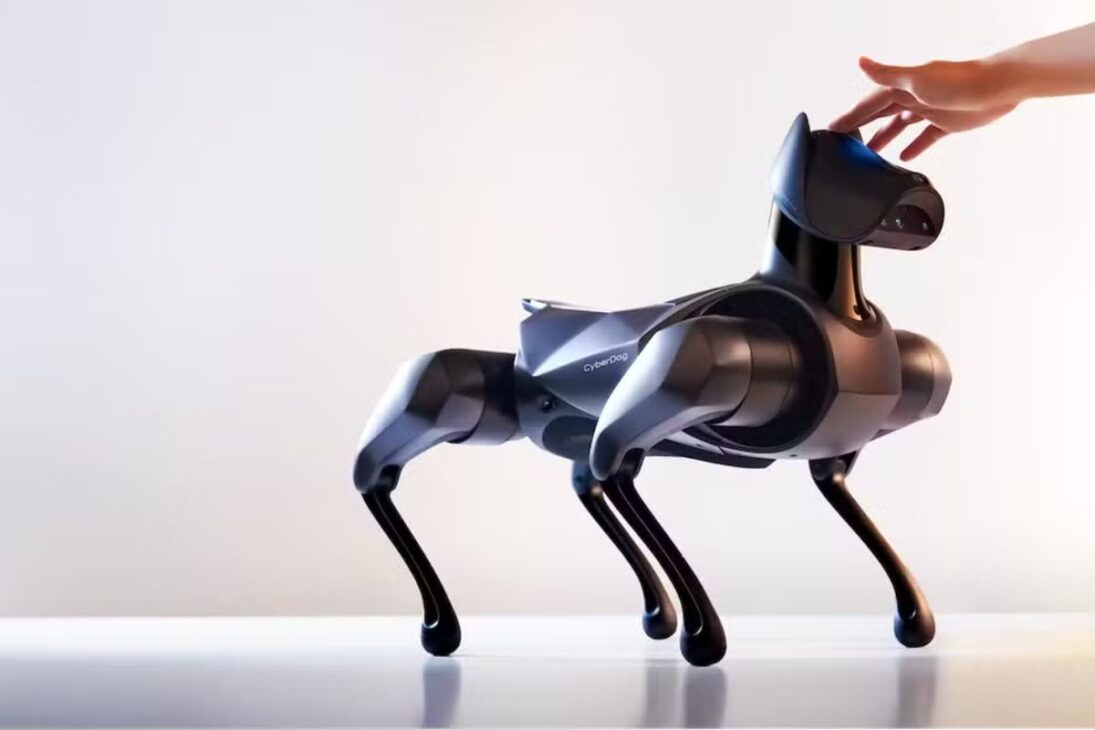
The CyberDog 2 is controlled via a smartphone app. Although the version analyzed had the software in Chinese with some limited functions (such as voice and face recognition), it was possible to explore its main interaction capabilities.
Besides walking, running, and moving sideways like a video game, the CyberDog 2 is programmed with a series of “tricks” and “dances,” ranging from shaking paws and performing rocking movements to making small jumps on its axis. Functions like “follow the owner” and environmental surveillance are promised but depend on future software updates for the global market.
The Real World: Limitations And The Price Factor
Despite the cutting-edge technology, practical analysis reveals limitations. Weighing almost 9 kg, it is not a lightweight device. Its main limitation as a “pet” is strength: it can carry a maximum of 1 kg on its back, ruling out the idea of carrying anything heavier.
The battery autonomy, during intense use with acrobatics and video recording, is approximately 90 minutes. The charging is fast, with a powerful charger that recovers a good portion of the charge in under 30 minutes.
The big “X” of the matter, however, is the price. The CyberDog 2 is not officially sold in Brazil. Through importation, its cost can vary drastically, but it is estimated to fall within a range of R$ 40.000 to R$ 50.000. This price places it in the luxury item category or, more precisely, as a development platform for robotics enthusiasts and researchers.
A Glimpse Into The Future


The analysis of the Xiaomi CyberDog 2 shows that it was not designed to replace a pet. It is a technological showcase, a demonstration of what is possible in consumer robotics. It represents the fusion of precision mechanical engineering with advanced AI software and sensing. Although today it is a niche product with a prohibitive price for most, the technology embedded in it will undoubtedly appear, in simpler and cheaper forms, in the appliances and assistants of our future.






