






 Portuguese
  Spanish


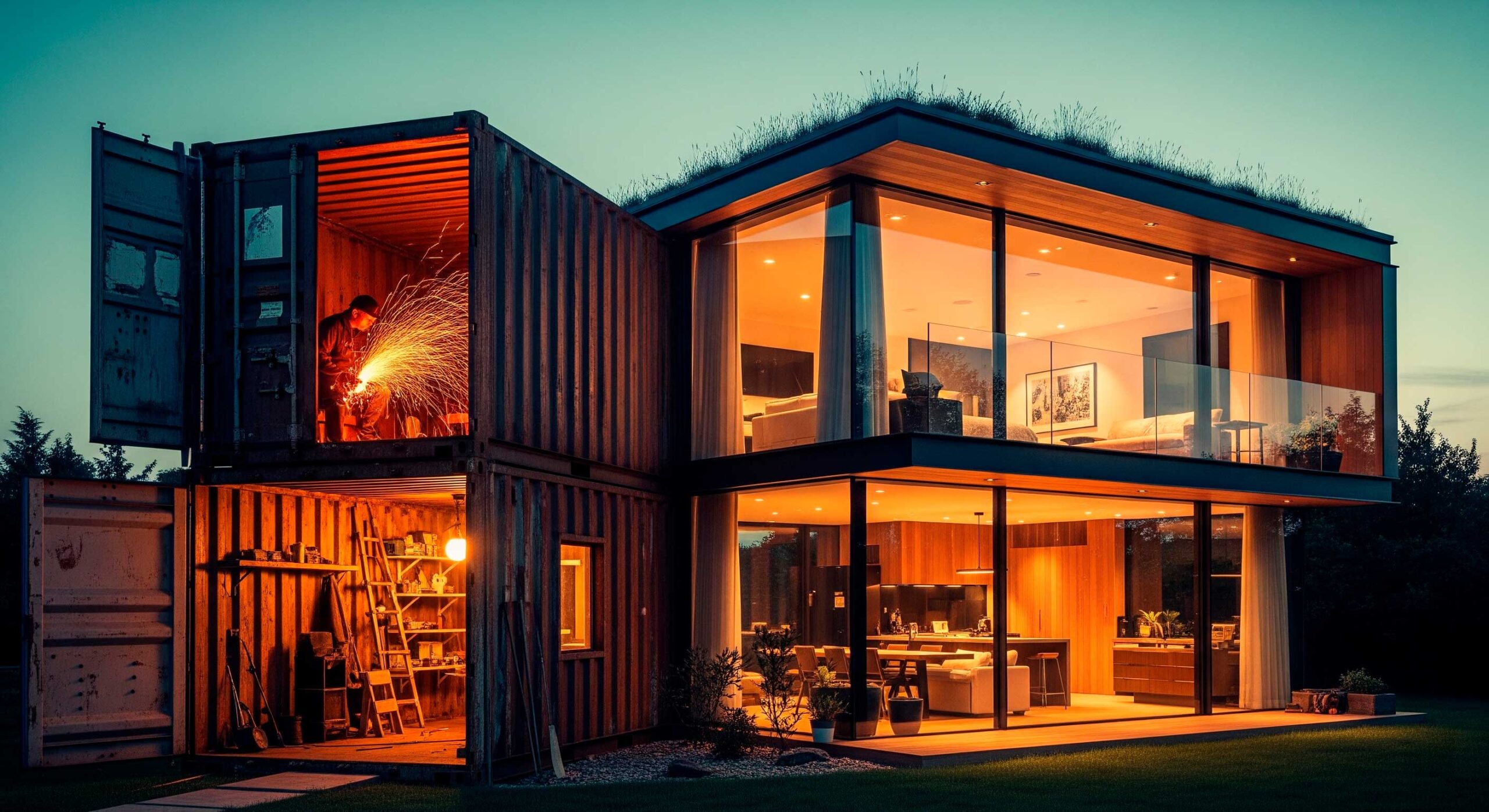


Craftsman Builds Complete Home From Shipping Container, From Scratch, Without Ready-Made Solutions — And The Result Surprises Architects And Enthusiasts Of Sustainable Construction
The concept of transforming shipping containers into homes has ceased to be a niche curiosity and has become one of the most talked-about trends in Brazilian construction. A carefully documented process shows, step by step, how a single craftsman, without shortcuts and without prefabricated parts, built a modern two-story home from an empty steel box.
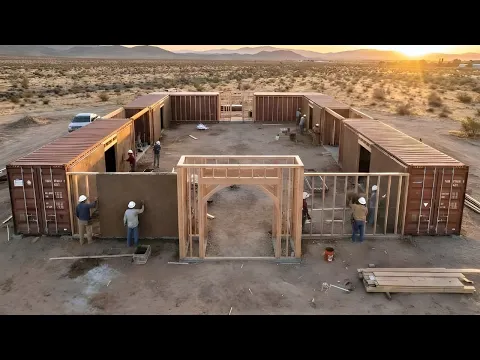
The work starts from the ground up: leveled foundation, cured concrete, and the container positioned on the prepared base. From there, saws, welding, insulation, and a lot of manual labor dictate the pace of the transformation.
The Process Of Transforming A Container Into A Home From Scratch
Everything begins with what seems to be the most improbable path. The container, once destined to cross oceans loaded with goods, is completely emptied. The internal structure is dismantled. The side walls receive precise cuts for the opening of windows and doors, while professionals use levels and alignment tools at each stage.
-
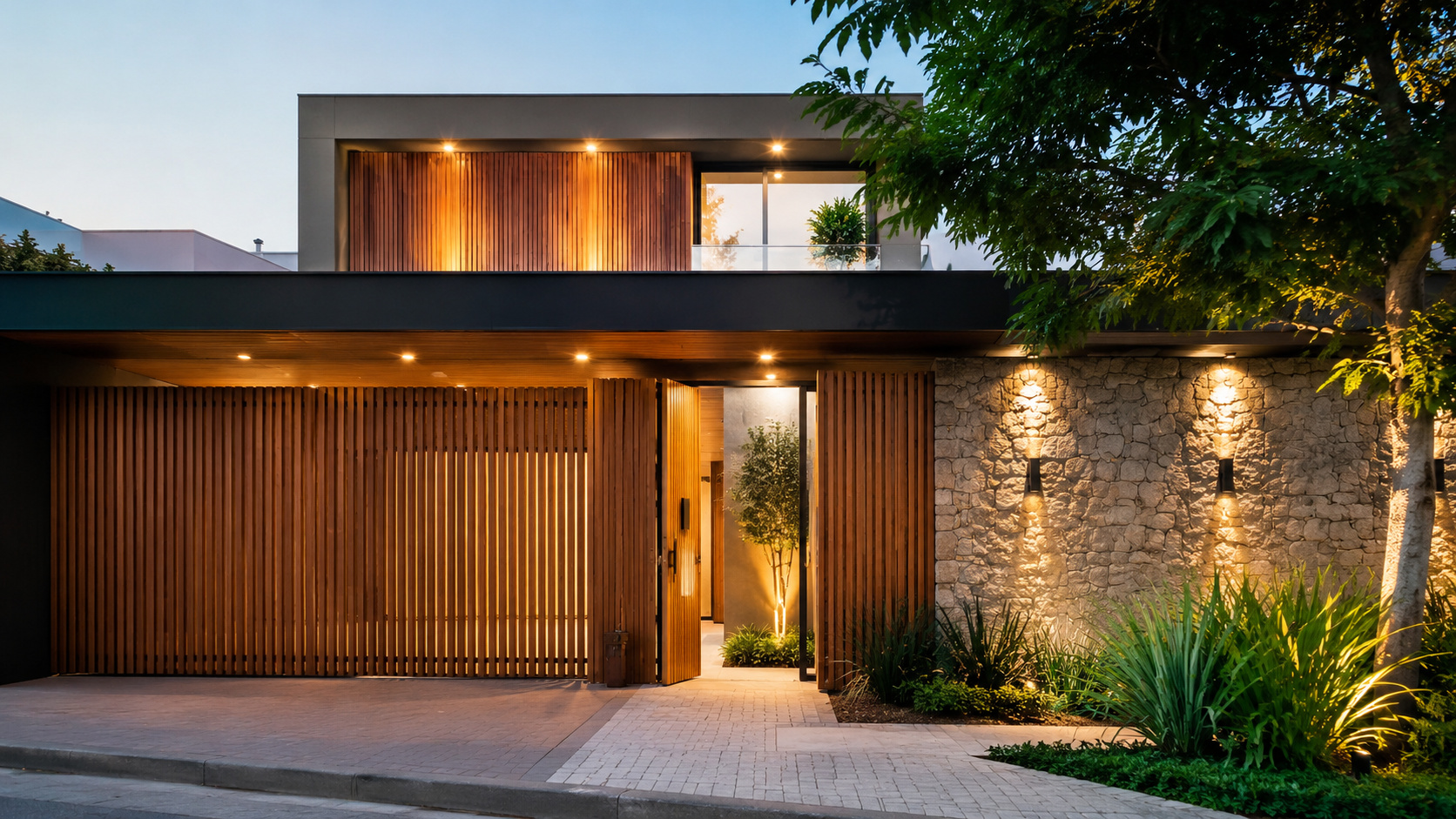
Wood-Look Aluminum Emerges as a High-Tech Alternative for Facades and Gates, Offering Sophisticated Aesthetics and Low Maintenance

-
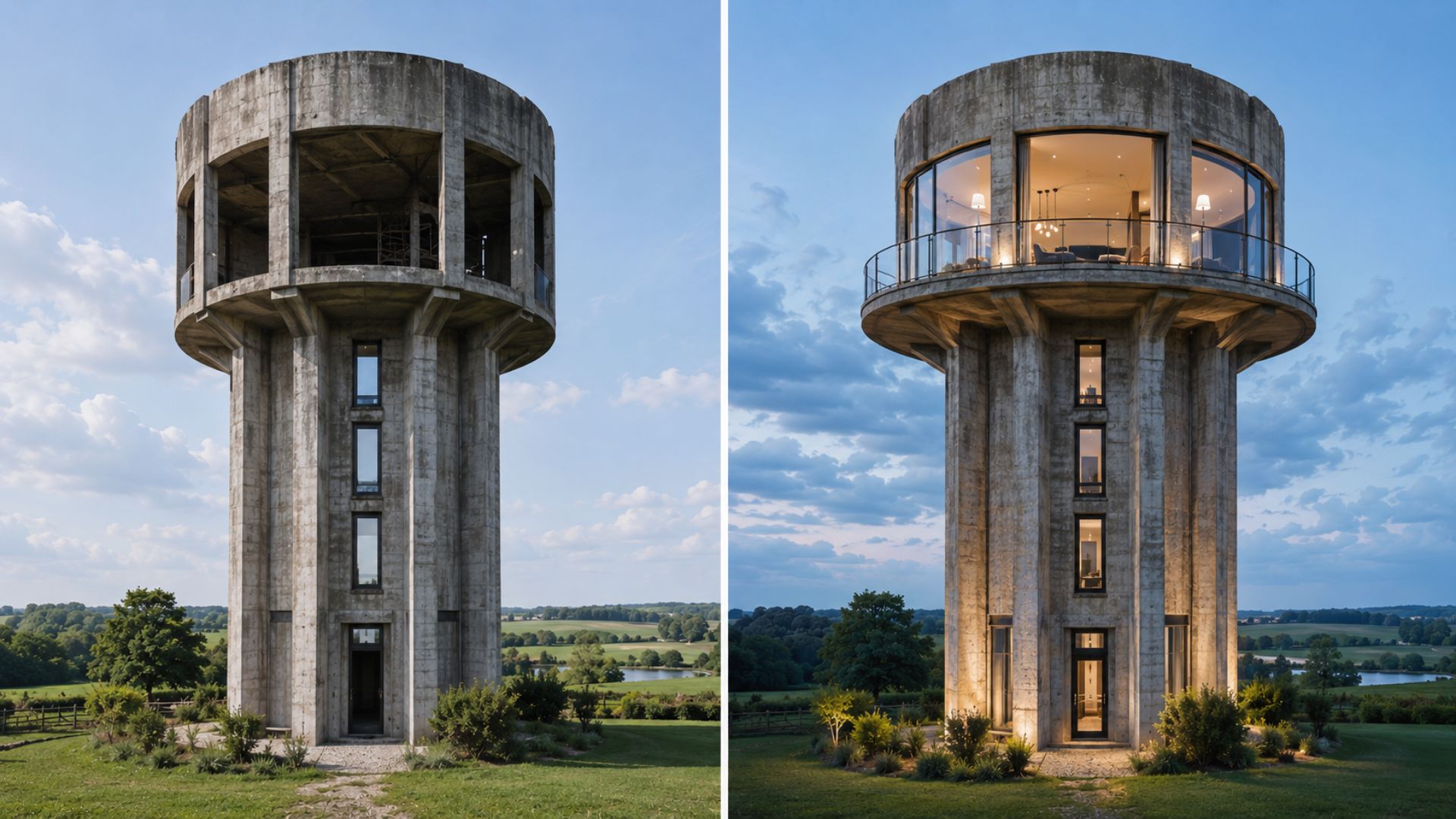
Couple Transforms 1964 Concrete Water Tower into Four-Bedroom Home with Views of London Over Four Years

-
U.S. City Builds Tiny Home Village on Water Company Land to House 136 Homeless People: Inside the Social Housing Units
-
Woman Turns Shipping Container into Home, Embraces Rural Life to Cut Monthly Expenses to Just Over $330


Wood, electrical cables, thermal insulation, and drywall gradually come into play. The industrial steel skeleton gets covered by layers of comfort: acoustic coating, embedded electrical installations, gypsum ceilings, and modern finishes. What was once cold metal is transformed into cozy and functional spaces.
The second container is hoisted and positioned on top of the first, creating a two-story structure. Steel beams reinforce the connection points between the modules, ensuring structural stability. On the outside, contemporary finishes completely hide the industrial origin of the building.
Container Homes: A Growing Trend In Brazil

The experience depicted is not an isolated case. Data from PEHU (State Urban Housing Program) indicates that the number of container home projects grew by about 34% between 2021 and 2024 in Brazil, reflecting the search for faster, more sustainable, and lower-cost solutions.
According to Sebrae, building a container home can be up to 60% faster and 30% cheaper than traditional masonry models, which explains the growing appeal, especially among young people and investors. According to Mordor Intelligence (2024), the Brazilian market for prefabricated buildings is expected to reach US$ 3.25 billion and grow to US$ 4.26 billion by 2029, including container homes.
How Much Does It Cost To Build A Container Home In Brazil
Prices vary significantly based on size, finish, and location of the construction. In Brazil, the average cost to build a container home ranges from R$ 1,500 to R$ 3,000 per m², with simple projects starting at R$ 65,000 for 30 m² and residences of approximately 130 m² costing between R$ 240,000 and R$ 300,000.
A 20-foot container costs an average of R$ 46,000 already with all finishes to make it habitable, while a 40-foot container can reach R$ 84,000. Carlos Gariani, commercial director of Container Express, emphasizes that each project is customized according to the specific needs of the client, undergoing a rigorous revitalization process that includes cuts, welding, and the application of thermal and acoustic coatings.
The transportation of the containers also factors into the budget. The move is carried out by trailers and cranes, with an estimated cost of R$ 15 per kilometer traveled from the factory, which requires careful logistical planning.
Sustainability And Resistance As Differentials
In addition to financial savings, building with containers carries a consistent environmental appeal. It is estimated that each reused container saves up to 3,500 kg of steel from being discarded into the environment, and about 78% of Brazilian projects use recyclable materials and solar energy systems.
Since the main structure is already prefabricated, material waste at the construction site is minimal, contributing to a more sustainable building process and reducing environmental pollution. This aligns the container home directly with the demands of those looking to build consciously.
For 2025 and beyond, the trend points towards the integration of connected devices that allow efficient control of lighting, temperature, and security, as well as solar panels and water recovery systems becoming common elements in these projects.
Challenges That No One Tells You About Before Starting
Not everything is a perfect fit. Regulations vary between municipalities, and understanding these rules is essential to avoid issues during or after construction, as cities require everything from permits to specific safety standards.
Maintenance of the exterior paint and internal temperature control also require continuous attention, especially in regions with extreme climates. Labor costs can vary significantly based on the availability of skilled workers with experience in container construction, a factor that still limits access to this type of project in smaller cities.
From Container To Home: A Process That Challenges Standards
The final result of the documented process is striking: what began as a rusty metal box becomes a two-story contemporary residence, with clean lines, modern materials, and spaces designed for real comfort. There is no visual trace of its industrial origin.
The transformation goes beyond the physical structure. It represents a shift in mindset about what can be built with alternative materials, specialized labor, and creative vision. On a smaller scale, the same process is repeated with compact container cabins that serve as offices, leisure spaces, or backyard accommodations.
The craftsman who refuses shortcuts and builds everything by hand demonstrates that technique, when well applied, transforms any limitation into possibilities.
And you, would you dare to live in a container home? The idea divides opinions: for some, it is the future of sustainable and affordable housing; for others, it still carries the stigma of being “improvised.” Leave your comment below, is it worth exchanging brick for steel?




Sou o Vitor Dantas, especialista em Venda e Execução de Projetos com Container Marítimo
47 997137397