






 Portuguese
  Spanish
  3 min of reading
  0 comments


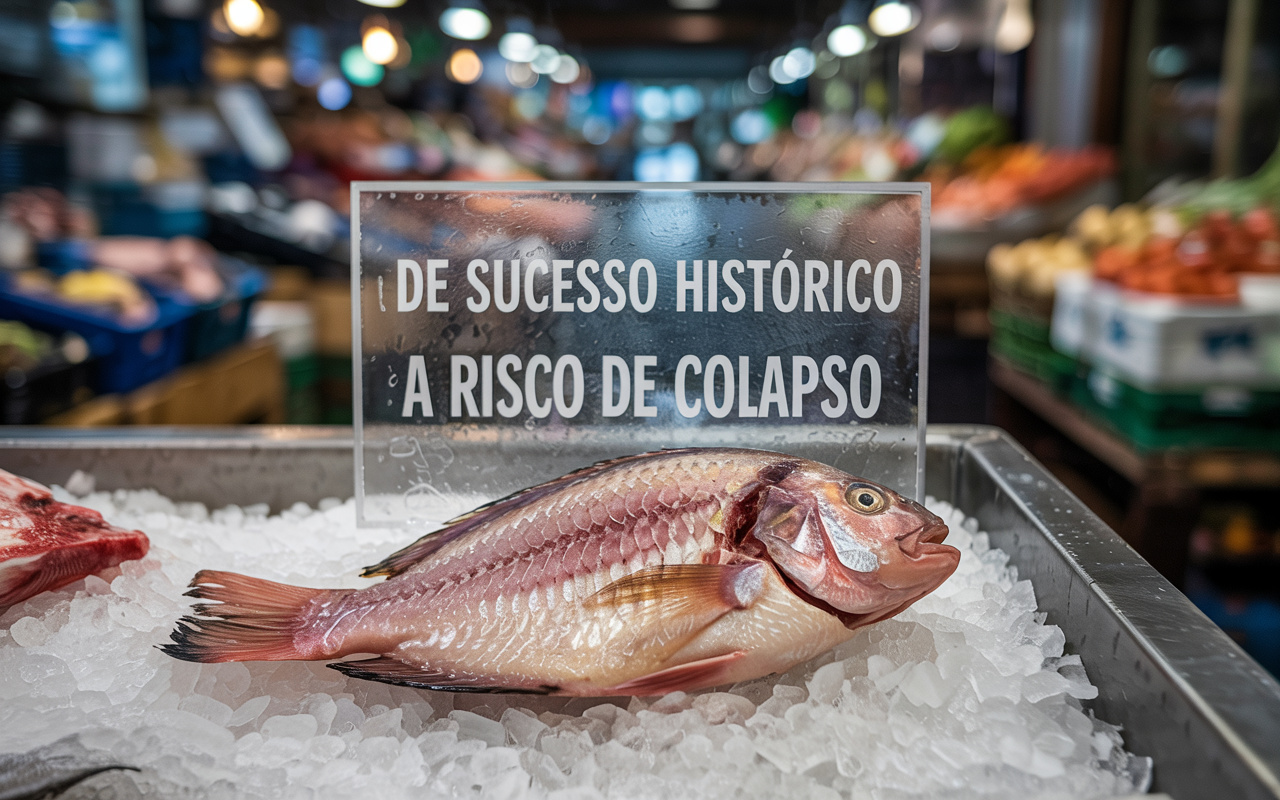
Brazilian Tilapia Exports Grow 52% in 1st Half, but 50% Tariff Imposed by the U.S. Threatens to Nullify Sales by December.
Brazilian tilapia exports experienced one of the best semesters in their history, but they may soon face the most challenging moment since gaining a foothold in the international market. Between January and June 2025, shipments increased by 52% in volume, reaching 8 thousand tons, equivalent to US$ 36 million in revenue. Almost 95% of this total was destined for the United States, consolidating Brazilian tilapia as a competitive product in the world’s largest seafood market.
50% Tariff Imposed by the U.S. Changes the Scenario
Despite the positive numbers, the optimism was short-lived. In August, the U.S. government announced a tariff on various Brazilian products, including tilapia fillets.
The measure added an extra 40% tariff on top of the 10% already charged since April, raising the total cost to 50%. This made the final price of Brazilian tilapia in the United States less competitive, threatening to make exports unfeasible in the second half.
-
Mexican Pest Threatens U.S. Cattle Herds at Historic Lows, Potentially Boosting Brazilian Beef Exports as Burger Prices Soar

-
Avocado Boom for European and U.S. Markets Fuels Water Crisis in Drought-Stricken Chilean Region

-
Capixaba farmer created in 14 years the first registered ginger cultivar in Brazil, with a productivity of 145 tons per hectare, more than double the state average, and is already receiving orders from South Africa and Peru.
-
In Virginia, a family of small-scale farmers refused to swap the countryside for the city and transformed their milk production into award-winning artisanal cheese from Mantiqueira de Minas.


Francisco Medeiros, president of Peixe BR, was direct: “exports are expected to be close to zero by December”. He explained that the abrupt increase in cost not only undermines the competitiveness of the Brazilian product but also opens the door for competitors like Vietnam, which is already advancing in supplying fish fillets to the American market.
Tilapia Exports May Be Nullified and Affect the Domestic Market
If, in fact, the tariff could nullify tilapia exports, the consequences are also expected to be felt in the domestic market.
The increase in fish supply within Brazil, without shipments to the United States, could lead to falling prices and margins for producers. The entry of Vietnamese tilapia fillets, which arrive cheaper in the U.S., increases competitive pressure and jeopardizes all the progress made by the Brazilian fishing sector in recent years.
The Challenge of Brazilian Tilapia Amidst the Crisis
In recent years, Brazilian tilapia had been gaining momentum as one of the main export products in the fishing sector, especially due to the quality of the fillet and the steady growth of national production.
The first half of 2025 had confirmed this trend, with robust export growth and expectations of a consolidated leadership in the American market. Now, the sector faces a real risk of regression.
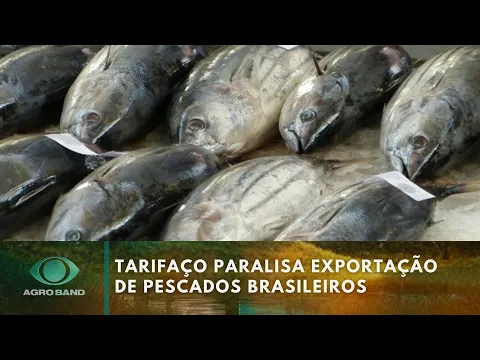

According to Peixe BR, “the recent announcement by the U.S. government completely changed growth projections”.
Before the taxation, the expectation was that Brazil would further increase its market share, but the 50% tariff makes competitiveness unfeasible and could halt the export chain until the end of the year.
Seeking Alternatives to Maintain Exports
In light of the new scenario, the industry group is already studying alternatives to diversify tilapia export destinations.
The search now is for markets less dependent on protectionist measures, such as countries in Europe, the Middle East, and Latin America. Still, experts assert that none of them have the same capacity to absorb volume as the United States, which underscores the gravity of the problem.
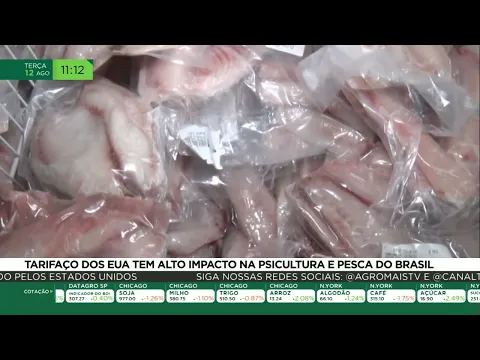
The fishing sector in Brazil finds itself in a paradox. On one hand, the numbers from the first half showed strength and potential for international expansion, while on the other hand, the tariff imposed by the U.S. threatens to undermine this progress. From a semester of historic growth, Brazilian tilapia exports could face collapse by the end of the year if there is no swift reaction.
And you, do you believe that the sector will be able to find new markets to offset losses with the United States, or will Brazilian tilapia exports remain stagnant until the end of 2025?





-

-

-

-

-

-

20 people reacted to this.