






 Portuguese
  Spanish


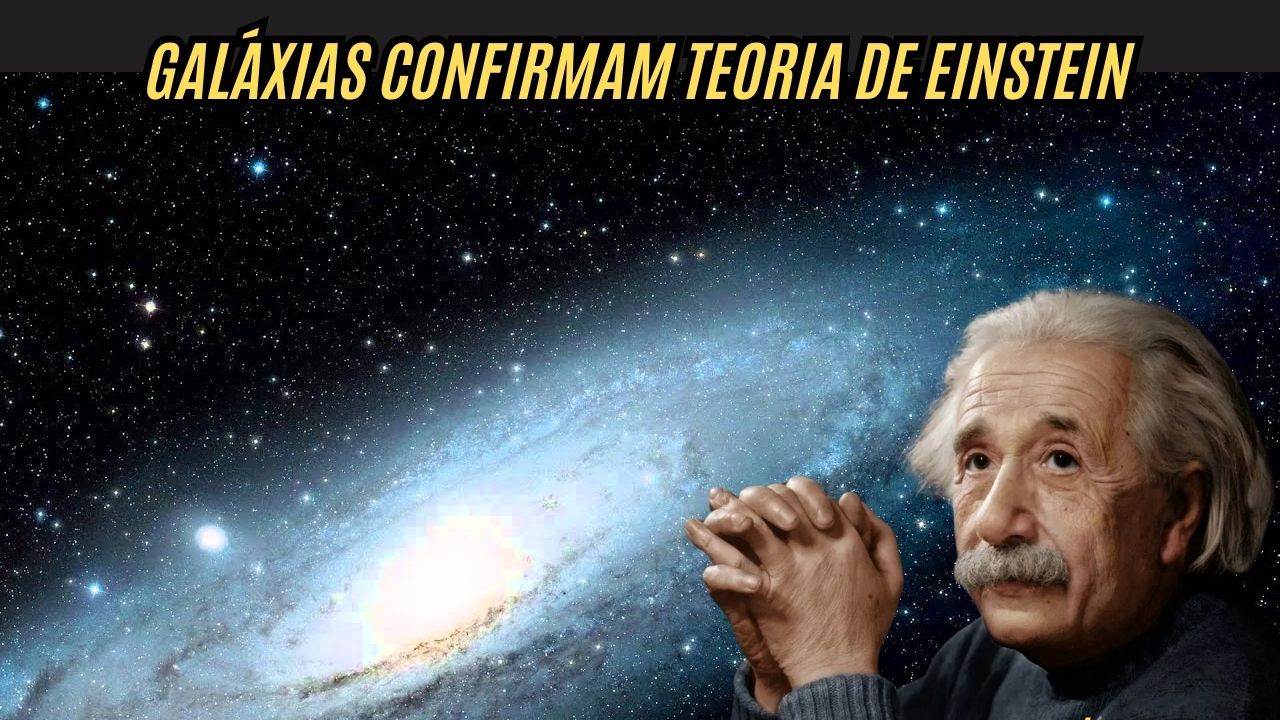


Scientists From An International Collaboration Made An Amazing Discovery: The Observation Of Nearly Six Million Galaxies Revealed That Gravity Behaves Exactly As Predicted By Einstein’s Theory. The Study Tracked The Evolution Of The Structure Of The Universe Over The Last 11 Billion Years, Offering The Most Accurate Analysis Ever Conducted On The Action Of Gravity On Large Scales.
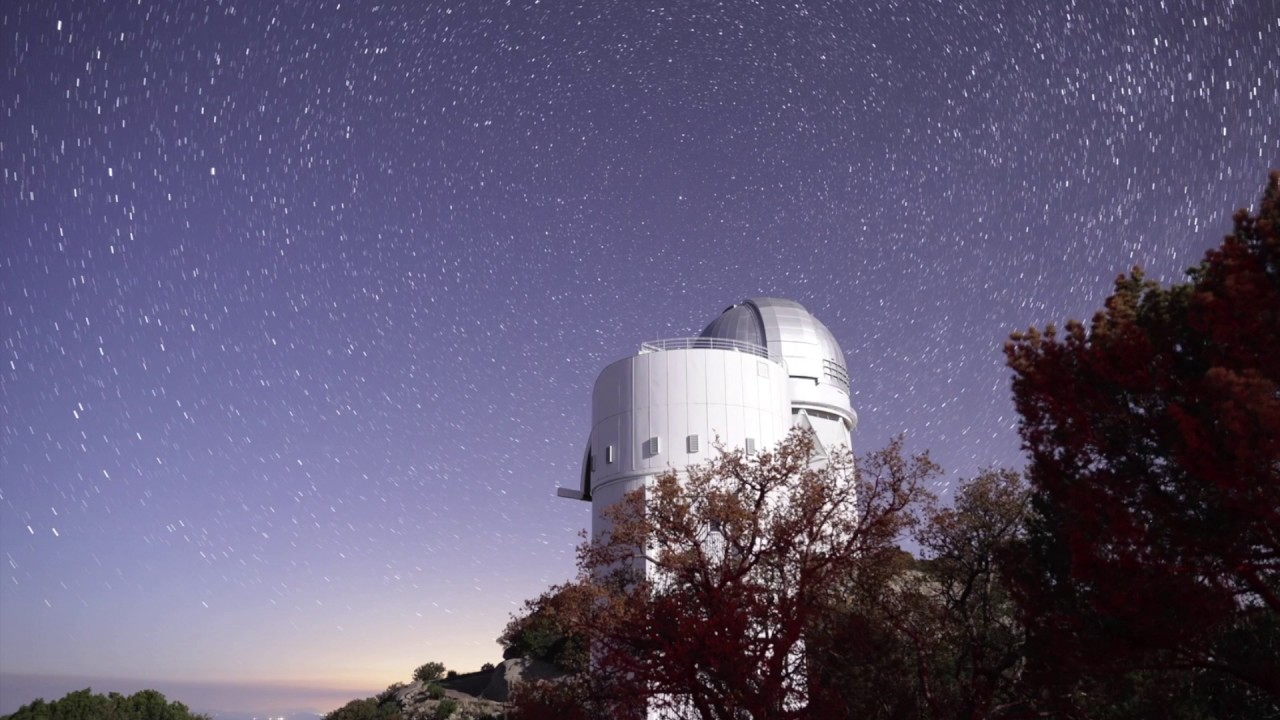
Using the Dark Energy Spectroscopic Instrument (DESI), installed at the Kitt Peak National Observatory in Arizona, researchers simultaneously captured light from 5,000 galaxies, focusing on dark energy, an invisible and enigmatic force that accelerates the expansion of the Universe. And the results are fascinating: the observations confirm that gravity follows exactly the predictions of Einstein’s theory, presented in 1915.
The Force Of Gravity And Einstein’s Theory
Gravity, one of the fundamental forces of the cosmos, was described by Albert Einstein in his groundbreaking theory of general relativity. He proposed that concentrations of mass and energy curve space-time, affecting the movement of nearby objects.
“General relativity is one of the most successful physical theories we have,” explains Dragan Huterer, a cosmologist at the University of Michigan and co-leader of the group that analyzed the DESI data.
-
China Develops Custom 140-Ton Electric Mining Truck with 770 kWh Swappable Battery, Deploys 290 Units in Xinjiang’s Largest Zinc Mine

-
Meta to Launch Arena, a New Prediction App Targeting 3.56 Billion Users, Competing with Polymarket and Kalshi

-
Scientist Challenges Famous Human Evolution Theory, Argues Homo Sapiens Evolved Gradually Over Thousands of Years
-
15-Year-Old American Builds Ocean Generator with PVC Pipe and 3D-Printed Propeller for $12, Wins National Prize, Presents at White House, and Makes Forbes 30 Under 30 List




However, the discovery that the Universe is expanding at an accelerating rate, made in 1998, raised questions about whether this theory needed to be adjusted. The current study, however, shows that Einstein’s predictions remain solid, while suggesting that dark energy, the force responsible for this expansion, may be dynamic and not constant.
The Cosmic Web And The Galaxies
The researchers studied the growth of the so-called “cosmic structure,” formed by galaxies, clusters, and superclusters connected in a vast cosmic web with large intertwined voids. This analysis was based on data from galaxies up to 11 billion years old, dating back to a period when the Universe was only 20% of its current age.
Astrophysicist Mustapha Ishak-Boushaki from the University of Texas highlighted the importance of the finding: “The data show that gravity follows Einstein’s theory, but also favor a dynamic dark energy, which is new.” According to him, the possibility that this energy is weakening over time changes the understanding of the future of the cosmos: “The Universe may not always be in accelerated expansion.”
Dark Energy And The Future Of The Cosmos
Composed of stars, planets, invisible dark matter, and dark energy, the content of the Universe still holds many mysteries. Dark energy, which accounts for about 68% of the cosmos, is the engine behind the accelerated expansion, but its nature remains unknown.
The new analysis not only corroborates the standard model of cosmology but also paves the way to understand how dark energy will shape the future of the Universe. “Determining whether the standard model is correct is one of the main fronts of research in current cosmology,” says Dragan Huterer.
The DESI collaboration, composed of more than 900 scientists from 70 institutions around the world, continues to deepen our understanding of the cosmos. Published in the online repository arXiv, these findings represent a milestone for science, uniting detailed observations of galaxies with Einstein’s extraordinary vision of the Universe.







Muito saber que a Teoria de Enstein está correta. Acho que ainda não conseguimos descobrir 1% dos mistérios do Universo.