






 Portuguese
  Spanish


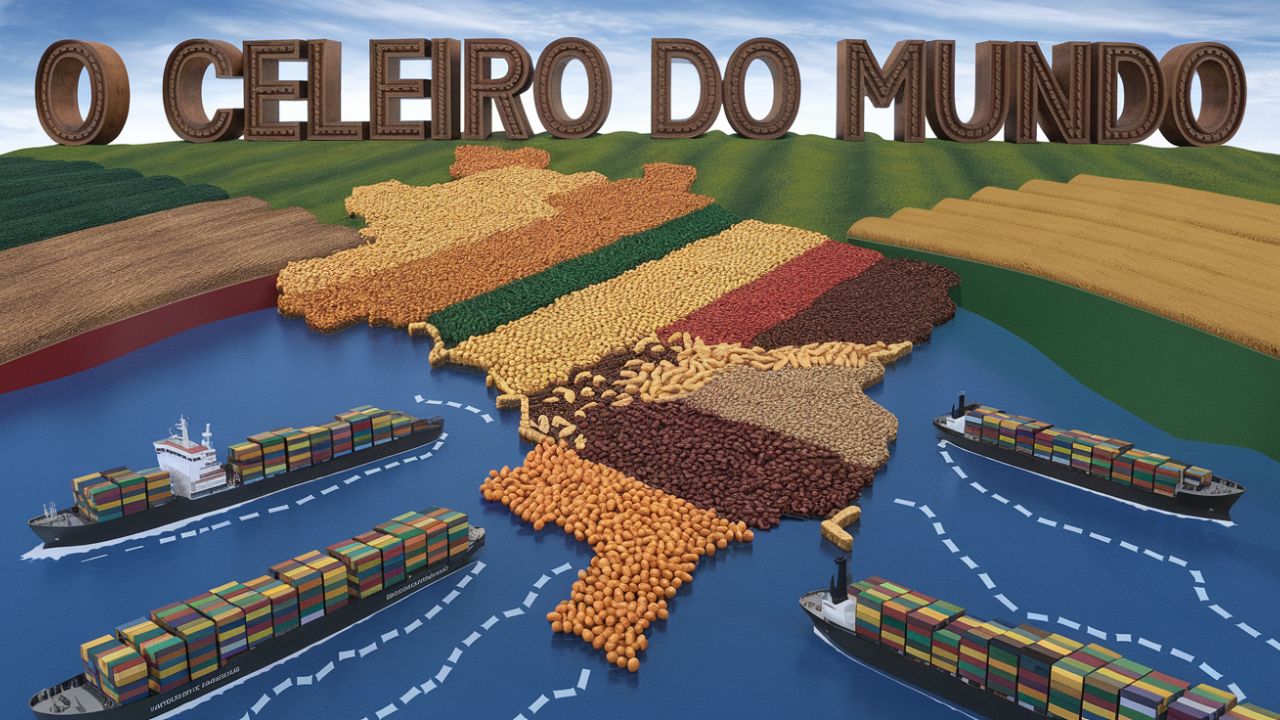

With Billion-Dollar Exports of Soybeans, Beef, and Coffee, Brazilian Agribusiness Feeds Nations Like China, the USA, and the European Union, Ensuring Jobs and Strengthening the Country’s Economy.
Did you know that Brazil is known as the “breadbasket of the world”? Brazilian agribusiness, with its strength and quality, supplies various nations around the globe. But which countries really can’t live without our agricultural products? Let’s explore the reasons that make China, the United States, the European Union, the Middle East, and Japan dependent on Brazilian agribusiness.
Why Does China Rely So Much on Brazilian Agribusiness?
China, with a population of over 1.4 billion people, is by far Brazil’s largest trading partner. Products like soybeans, beef, and cellulose are essential to meet Chinese consumer demand.
The Chinese market consumes massive volumes of soybeans to feed its pork and poultry industries. Without Brazilian soy, this production chain would face significant difficulties. Brazilian beef is among the most imported by China, providing quality protein for millions of families.
-
Brazil’s 2026 Tax Refund: Record 9.58 Million Filers in Largest Payout Ever, But a Key Detail on Priority Recipients Draws Nationwide Attention

-
Itaú Alters Hybrid Work Model, Increasing Office Days from 2028, Prompting Employees to Adjust to New Routine
-
Facing Labor Shortage, Japan Plans to Invest $34 Million to Attract Foreign Workers in Construction, Healthcare, Industry, and Commerce

-
Brazilian City Makes Remarkable Leap, Becomes 4th Wealthiest in the Country with GDP of R$ 134.1 Billion




The partnership extends beyond exports and agribusiness. China heavily invests in infrastructure in Brazil, focusing on ports and railways. This not only strengthens the Brazilian economy but also creates a strategic bond that ensures a continuous supply of agricultural products for the Asian giant.
United States: Strategic Partner, Even as an Agricultural Power
Even though the United States is one of the largest agricultural powers in the world, it imports specific products from Brazil that complement its internal production.
Brazilian coffee, known for its quality and flavor, dominates the North American market. For coffee lovers in the USA, mornings simply wouldn’t be the same without Brazilian beans.
The strict quality standards set by the United States require Brazilian producers to maintain high levels of excellence. This not only elevates the reputation of our products but also opens doors to other markets.
European Union: A Relationship Built on Sustainability
The European Union is another major consumer of Brazilian products in the agribusiness sector, but with a different focus: here, sustainability is key.
Products like beef, tropical fruits, and coffee find a privileged place on European tables. The demand for natural and exotic foods makes Brazil an essential partner for the European bloc.
The Europeans prioritize responsible agricultural practices. This pushes Brazil to adopt certifications and greener practices, benefiting the planet and ensuring access to this market.
Middle East: A Partnership Based on Halal Meat
In the Middle East, the relationship with Brazilian agribusiness is based on cultural and religious needs.
Brazil leads in the export of halal meat, produced according to Islamic standards. Without these exports, countries like Saudi Arabia and the United Arab Emirates would struggle to meet their internal demand.
Brazil’s ability to meet cultural requirements, such as halal slaughter, demonstrates the flexibility of the national agribusiness, making it indispensable for this region.
Japan: A Demanding Market that Values Quality
Japan, known for its sophistication and rigor, is a premium market for Brazil.
High-quality Brazilian coffee and premium beef are well-accepted in the Japanese market. The appreciation for exclusive products puts Brazil in the spotlight in Japanese imports.
Exporting to such a demanding market increases the added value of Brazilian products, generating more revenue and strengthening Brazil’s image as a quality supplier.
Brazilian agribusiness goes beyond merely exporting food; it connects cultures and economies around the world. For countries like China, the United States, the European Union, the Middle East, and Japan, Brazil is a key player in food security and the supply of essential products.
Thanks to agribusiness, Brazil not only feeds millions of people, but also drives the global economy. Therefore, the country will continue to be an indispensable strategic partner for the future.








