






 Portuguese
  Spanish


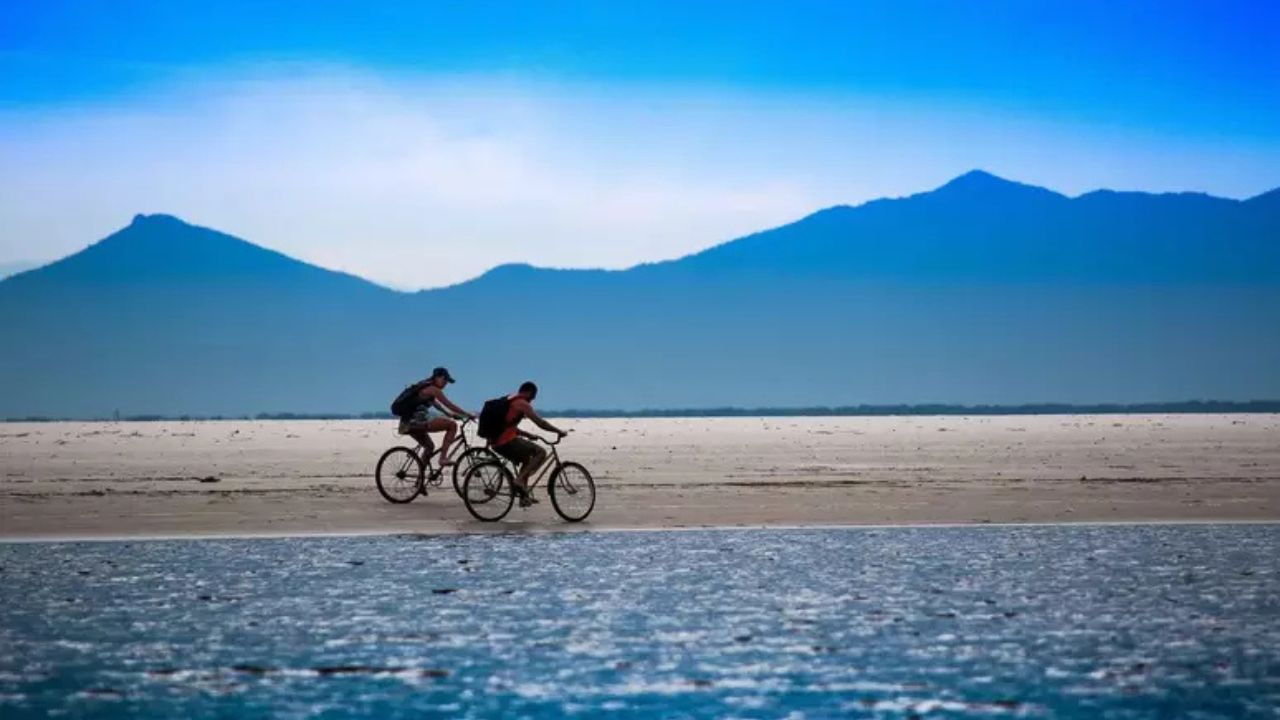
Superagui Reveals Itself as a Treasure of Biodiversity and Caiçara Culture. A Refuge with Endless Beaches, Where Nature Sets the Rhythm and Life Happens on Foot.
On the coast of Paraná, there is a refuge that materializes the dream of a lost paradise. Superagui Island has no cars, is protected as a National Park and World Heritage Site by UNESCO, and offers a deep immersion in nature and caiçara culture. Although the search for a nearly deserted Brazilian island leads us to imagine remote places, Superagui presents itself as a real, complex, and infinitely more fascinating destination. There, tranquility is shaped by the sound of waves, the flight of rare birds, and the melody of fandango.
Where Cars Are Left Behind
The experience in Superagui begins long before stepping onto its sand. Access to the island is exclusively maritime, mainly departing from the historic city of Paranaguá. The first step is symbolic: leaving the car in a parking lot on the mainland. From there, the journey is governed by the rhythm of the tide and nature.
There are no fixed schedules. The departure of boats depends on demand, making patience a virtue. The crossing of Paranaguá Bay lasts from one to two and a half hours, depending on the vessel. The route is an attraction in itself, passing through channels surrounded by preserved mangroves. With luck, gray dolphins accompany the boat, offering a special welcome to visitors. Disembarking at Vila da Barra de Superagui is a shock of silence, where the noise of engines is replaced by the gentle sound of the sea.
-
Brazil Extracts 12 Million Cubic Meters of Sand for Largest Beach Expansion Project, 82% Complete Along 8.8 km Coastline

-
Bosch Unveils Revolutionary 2.3 kg Hub Motor for E-Bikes with 45 Nm Torque and 400 Watts Power, Eliminating Resistance Above 25 km/h in Historic Shift for German Manufacturer
-
Brazilian Woman Turns 115, Becomes World’s 6th Oldest Person After International Verification
-
Woman Turns Apartment into Storage with 158 Pairs of Shoes and 140 Pants, Accumulating $47,000 Debt Due to Compulsive Buying



Endless Beaches, Natural Pools, and Wildlife
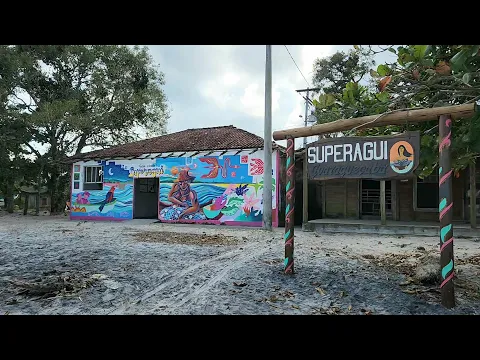

Superagui is a fortress of biodiversity. Designated as a National Park, Biosphere Reserve, and World Heritage Site, the island protects one of the last large stretches of Atlantic Forest in Brazil.
Its heart is the Desert Beach, a stretch of fine white sand measuring 38 kilometers long. Walking or cycling along it is a total immersion experience. There are no buildings, just the ocean on one side and restinga vegetation on the other. The natural pools are another local gem. They form where fresh dark water rivers meet the sea, creating puddles of calm and crystal-clear water perfect for a relaxing swim.
The island is also a refuge for wildlife. It is home to the largest population of the black-faced lion tamarin, a primate discovered only in 1990 and endangered. At dusk, another spectacle occurs: the flock of thousands of red-faced parakeets that return to roost on a nearby island.
Music, Flavors, and Traditions of Superagui
The true soul of the island lies in its caiçara culture, formed by the mix of Indigenous, Portuguese, and African peoples. The utmost expression of this identity is the Caiçara Fandango, a rhythm of music and dance considered Intangible Cultural Heritage of Brazil. The dances take place at local festivals to the sound of the rabeca, viola, and adufo.
The cuisine reflects the simplicity and richness of the environment. The dishes are based on fresh fish and seafood, caught on the same day. To accompany, the local drink is Cataia, a cachaça infused with leaves from a native tree, known as the “caiçara whiskey” for its spicy and aromatic flavor. The culture is also expressed in the Divine Holy Spirit Festival, an event that mobilizes the entire community with rituals, music, and communal lunches.
The Challenges Between Conservation and Community
Beneath the apparent tranquility, Superagui lives a paradox. The creation of the National Park, essential to protect nature, imposed severe restrictions on the traditional caiçara way of life, which depended on fishing, hunting, and small farming. These prohibitions have limited sources of livelihood, pushing the community into a strong dependence on tourism and fishing.
This conflict generates challenges. The residents, guardians of the knowledge that helped to identify the ecological wealth of the area, struggle to harmonize conservation with their own survival and culture. Issues such as waste management and the precariousness of basic infrastructure are ongoing problems, showing that paradise also faces its own struggles.


-

-

3 people reacted to this.