Portuguese
  Spanish


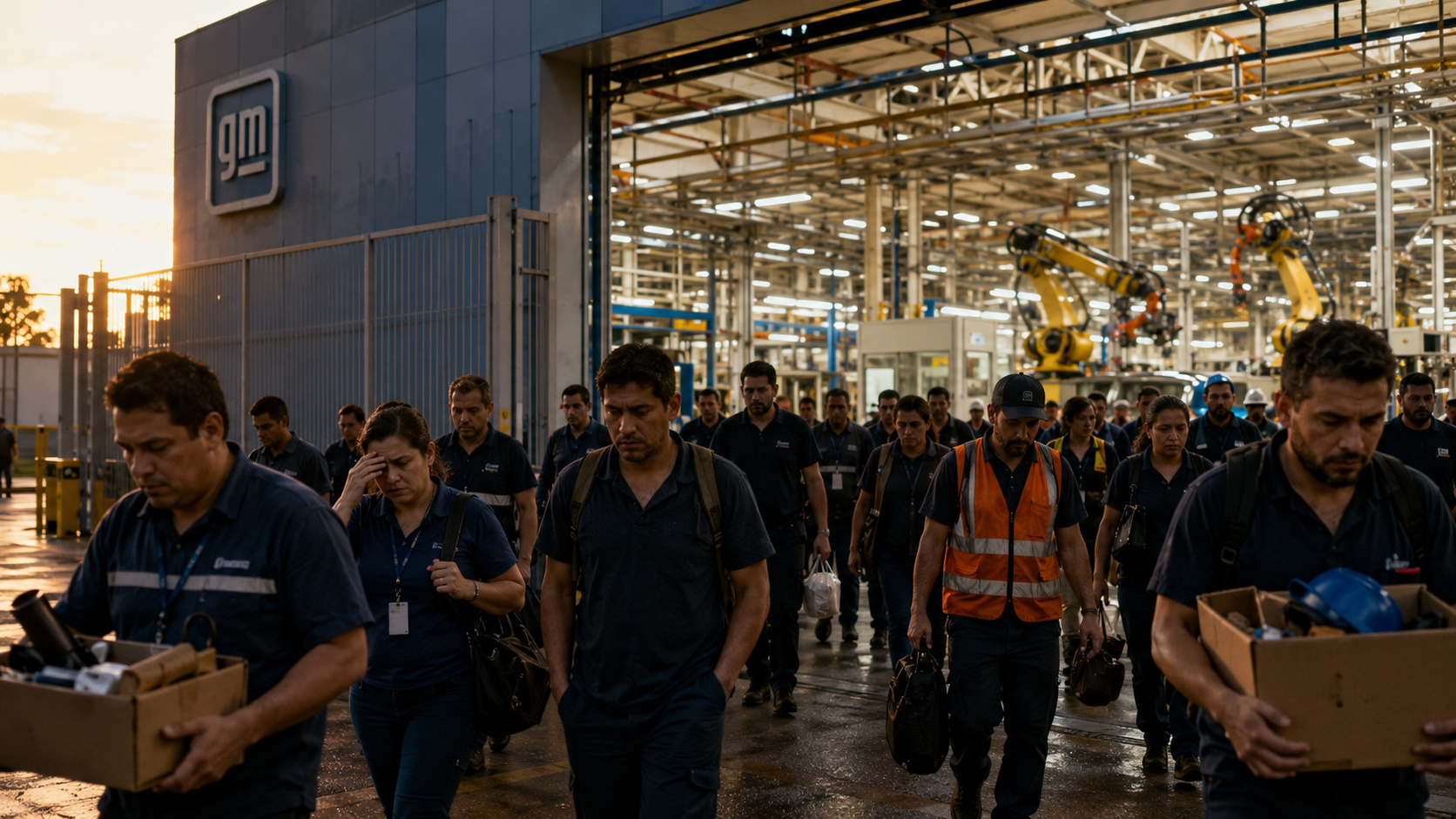

GM expanded automation at Factory Zero in Detroit with about 50 Fanuc cobots, while the UAW accuses the automaker of replacing workers with machines after laying off more than 1,000 people at the site.
General Motors installed about 50 new cobots at Factory Zero in Detroit, just weeks after cutting more than 1,000 jobs at the same complex. The machines work alongside employees on the assembly line, but their arrival has sparked a new dispute with the UAW union, which sees the move as replacing people with robots.
The cobots, made by Fanuc, help attach body panels to vehicles. GM says the measure is part of an expansion of advanced technologies in operation and that automation improves safety, ergonomics, flexibility, and competitiveness. For the workers, however, the interpretation is different: the increase in machines came after more layoffs and new production pauses.
The case gained even more weight because Factory Zero is one of the automaker’s bets for electric vehicle production in Detroit. The site, formerly known as Detroit-Hamtramck, underwent a major overhaul to manufacture only EVs, but the demand for electric vehicles in the United States cooled, and the unit faced shift cuts and interruptions again.
-
Bosch and Nikon 3D Print Entire Aluminum V8 Engine Block, Sparking New Competition in the Automotive Industry

-
Honda and Nissan Form Alliance to Tackle Competition from Chinese Automakers After $9 Billion Loss
-
Hyundai Phases Out Powerful Engine in HB20, Reduces Turbo Version in Strategic Shift Affecting Creta and HB20S, Potentially Impacting Car Prices in Brazil.

-
Carflix Overcomes Setbacks to Achieve $250 Million in Used Car Sales with Backing from Mercado Livre and SMZTO, Aiming for 300 Locations and $650 Million Revenue


UAW says cobots are taking workers’ space
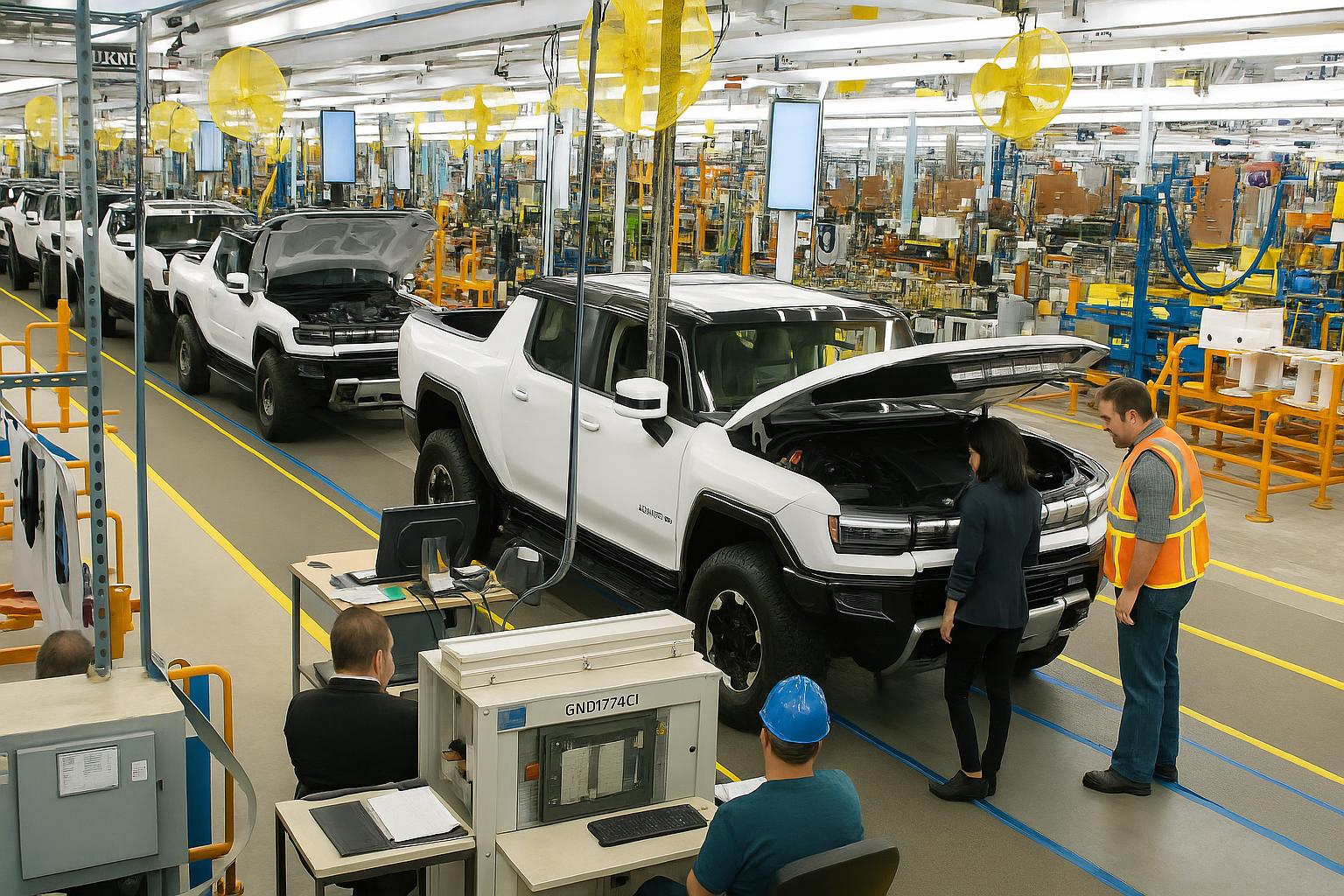
The harshest accusation came from James Cotton, president of UAW Local 22, which represents the plant’s workers. In a conversation with carscoops.com, he stated that the arrival of the new cobots is particularly concerning because it came right after the layoff of more than a thousand people.
According to Cotton, the equipment is being placed directly on the assembly line and performs tasks that previously depended on human labor. He also said that union members are uncomfortable with the growing presence of machines at the site.
The UAW also filed formal complaints against GM over the implementation of these technologies and raised concerns about the cobots operating very close to people. The discussion goes beyond the Detroit factory and touches on an issue that has haunted the industry for years: to what extent will automation replace human labor in automakers?
GM talks about safety and productivity, not job cuts
On the company’s side, the explanation is more technical. Spokesperson Kevin Kelly said that cobots are being installed as part of the strategy to expand more advanced technologies in operations. GM claims that the equipment helps improve safety and ergonomics while keeping the operation flexible and competitive.
The automaker confirmed that dozens of units were recently added to the plant, but did not detail how many workers could be directly impacted by the new phase of automation. It also did not specify whether the installation of cobots replaces specific functions or if there is a redistribution of tasks on the line.
GM’s move follows a trend gaining strength among automakers trying to hold down labor costs and maintain production on American soil. The original source itself points out that the industry is advancing in automation and artificial intelligence to reduce expenses and accelerate processes.


Automation becomes a battleground topic before the next union negotiation
The clash comes at a sensitive moment for the relationship between the company and the union. The expectation is that the issue will weigh in the next UAW contractual negotiations, scheduled for 2028. For the union, the discussion about robots should not be restricted to Factory Zero because it could define the size of the workers’ space on the assembly lines going forward.
UAW President Shawn Fain summarized the concern by saying that the sector is experiencing one of the most profound technological revolutions in recent history, with artificial intelligence, humanoid robots, and mass automation. In his view, the advance represents a direct threat to work, the economy, and even the political system.
While GM insists that cobots help make production safer and more efficient, the union sees another message: that the automaker is increasingly betting on machines at a time when it is cutting jobs. It is this tension that now marks the dispute in Detroit — and could serve as a signal for the rest of the industry.
If you follow the dispute between automation and employment in automakers, it is worth sharing this report and leaving your opinion on the advancement of robots in factories.