Portuguese
  Spanish


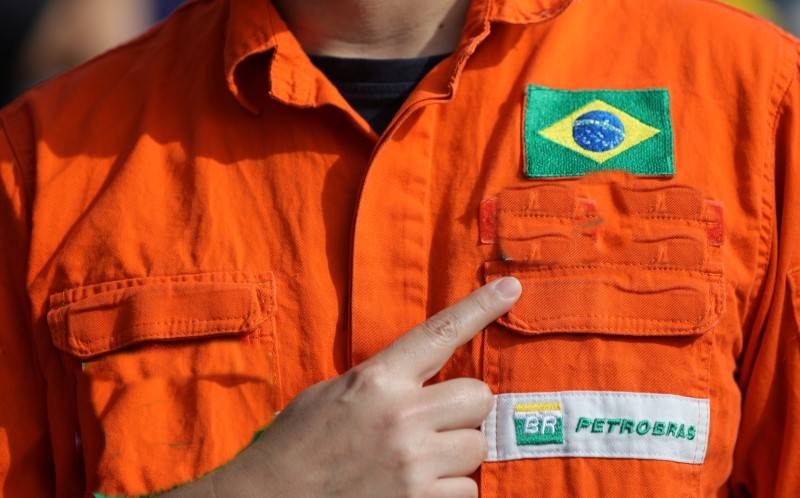

Petrobras President Participated in the Session Energy for a World in Transformation at Rio Oil & Gas
Petrobras President Roberto Castello Branco emphasized this Thursday (12/3) that Petrobras’ divestment program is helping to develop a new oil industry in Brazil, one that is more vibrant, and also to create two new industries – refining and natural gas. The statement was made during the CEO Talks session – Energy for a World in Transformation – at Rio Oil & Gas, the largest event in the sector in Latin America.
“Today we are moving towards having a new oil industry in Brazil, with many more companies. Petrobras’ divestment program itself is contributing to this. We will have small and medium local and international producers, a more vibrant industry,” said the executive. Castello Branco also argued that acting in the global market gives Petrobras greater flexibility to respond to a crisis like the one we are experiencing, which initially significantly reduced fuel consumption in Brazil. According to him, the company currently exports oil and fuels to 18 countries, with Asia being the main market.
Other Market News
- Gas and Refining Openings Require Regulatory Changes and Competitive Environment
- Investments Could Exceed R$ 100 Billion in the Infrastructure Sector in Brazil in 2021
- Petrobras Reports That It Received Purchase Proposals and Wants to Complete the Sale of 8 Refineries by March of Next Year
“We managed to build a brand name in China, the Tupi Shandong,” said the president, referring to the name by which Tupi oil is known in the Asian market. “We are also on the way to consolidating the low-sulfur Búzios oil, which is being very well accepted and traded at a premium relative to Brent. Our marine fuel (bunker oil) has also been very well accepted, with Singapore being the largest client, which is a global navigation hub. So we have very good prospects,” he added.
-
Family Quietly Transforms Old Sawmill into $700 Million Business, Opens 25 Stores in Two Years Across 22 Brazilian States

-
Couple Sold Their Home to Save Business, Now Run Platform Handling $180 Million Monthly and Managing Over 51 Million Listings
-
Petrobras Secures $2.2 Billion Contract to Build and Operate Four Support Vessels for Brazil’s Offshore Oil Fields

-
Brazil’s 2026 Tax Refund: Record 9.58 Million Filers in Largest Payout Ever, But a Key Detail on Priority Recipients Draws Nationwide Attention





The president also pointed out that the Strategic Plan 2021-2025, released by the company last week, placed ESG (environmental, social, and governance) issues on a more priority agenda. Among the measures he mentioned are the creation of an Executive Management for Climate Change, the revision of the 10 sustainability commitments, with the expansion of some goals, and the commitment to a Research and Development agenda.
“We aim not only to reinforce Petrobras’ resilience in the oil business but also to seek environmental solutions that balance returns on invested capital with carbon emission reductions and more intense carbon capture processes,” he summarized.
Sources: Petrobras Press