Portuguese
  Spanish


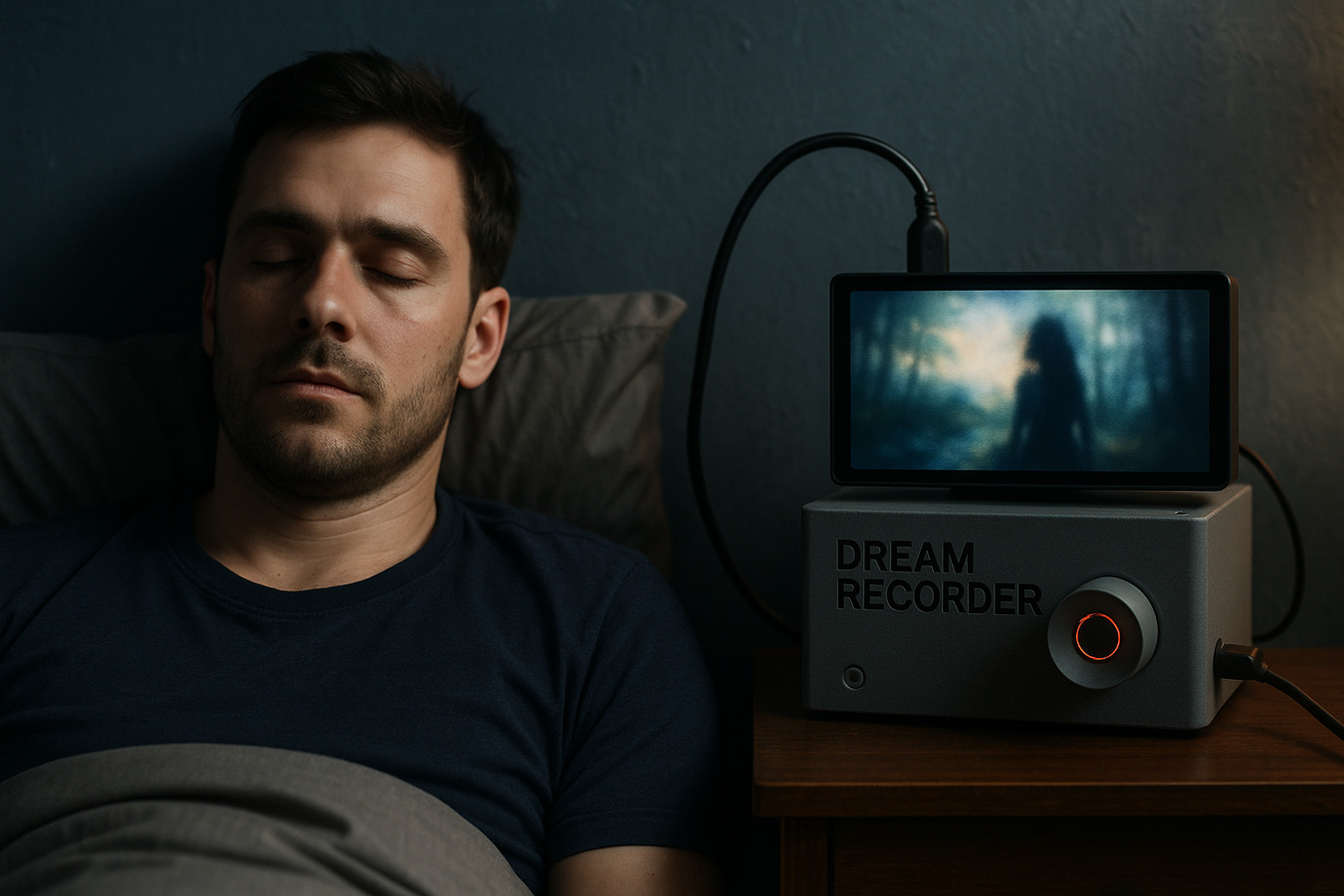


Experimental Device Converts Dream Reports into Blurry and Fragmented Videos, Imitating the Way Memory Stores These Night Experiences
Have you ever imagined waking up from a dream and being able to watch it minutes later? This is the proposal of the Dream Recorder, an experimental device that converts dream reports into visual shorts using artificial intelligence. The device should be used as soon as a person wakes up, when the memories are still fresh.
The idea is simple: the user verbalizes what they dreamed, and the device generates a visual representation of the content.
The entire process is automatic, without depending on a phone, apps, or complex commands. The equipment keeps only the last seven dreams recorded.
-
Brazil Unveils Innovative Monitoring System to Prevent Abandonment of Public Works, Boosting Efficiency and Reducing Waste in Infrastructure Projects

-
AI Video Generator Automatically Creates Subtitles and Animated Captions

-
São Paulo Unveils Latin America’s Largest Underground Reservoir, Holding 900 Million Liters, in the Greater São Paulo Area

-
Chinese Teen Wins Gold in Germany for Invention Turning Air Moisture into Underground Irrigation in Drought-Stricken Areas




How The Transformation Works
Upon hearing the report, the Dream Recorder converts the audio into text. Then, it uses the artificial intelligence APIs from OpenAI and LumaLabs to create a video based on the provided information.
The most important thing is that the goal is not to reproduce the dream with precision. The proposal is to capture the essence of how people tend to remember these experiences: vaguely, fragmented, and even distorted.
The Style of The Generated Videos

The images created by the device have a blurry appearance and low resolution. The movements are smooth, and the color palette reinforces the sense of imprecision.
This aesthetic mimics the way memory records dreams, without sharp details and with disconnected elements.
Therefore, the final result is closer to an artistic interpretation than to a faithful record. This approach creates a curious effect and, for some, even a closer feeling to the actual sensation experienced during sleep.
Assembly and Access to The Project
The Dream Recorder is not sold ready-made. It is an open-source project, available for free on Modem Works’ GitHub. There, anyone interested can find the code, the list of components, and the files for 3D printing the structure.
Additionally, the instructions allow the device to be assembled at home, but the process requires technical experience.
It is necessary to handle programming, artificial intelligence, and have access to equipment like a 3D printer.
Costs and Challenges of The Dream Recorder
The estimated cost of the components is around 285 euros, approximately R$ 1,600. This amount does not include possible fees or shipping, which can increase the project’s cost.
Therefore, although the idea is theoretically accessible, in practice it requires investment and specific skills.
Still, for those seeking to combine technology, creativity, and curiosity about the world of dreams, the Dream Recorder offers a unique and innovative experience.
With information from Canal Tech.