






 Portuguese
  Spanish
  2 min of reading
  0 comments


The European Union Is Studying The Launch Of A New Category Of Affordable Electric Car To Compete With China. Understand The Proposal, The Impacts On The Market, And The Reactions Of The Automotive Industry.
China has been consolidating itself as a global leader in electric vehicle production, offering more competitive prices and dominating expanding markets. In this scenario, the European Union is already acknowledging the need to react. This week, the President of the European Commission, Ursula von der Leyen, announced the intention to create a category of compact and affordable electric cars, provisionally dubbed “E-Car,” as reported by Vrum this Thursday.
The Model That Could Transform The European Market
The EU’s proposal is inspired by Japan’s kei cars, small vehicles that account for 40% of new car sales in the Asian country. The idea is to offer a cheaper and more practical alternative capable of directly competing with Chinese models that have been gaining ground worldwide.
According to Von der Leyen, the automotive industry is essential for the European economy and needs to reinvent itself. “Millions of Europeans want to buy affordable European cars, which is why we must also invest in small and affordable vehicles, both for the European market and to meet the rising global demand,” she stated.
-
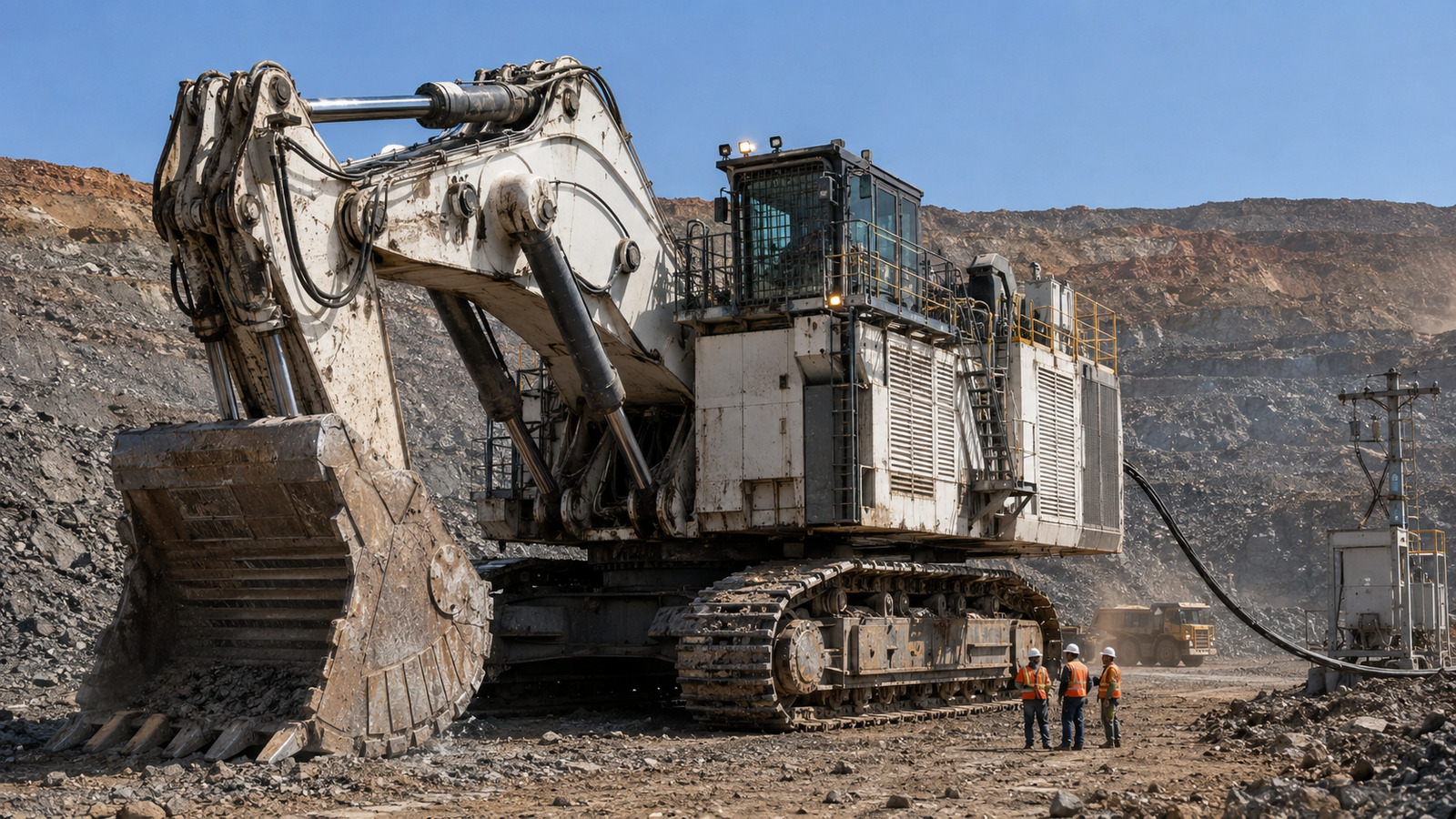
Unprecedented achievement in India: a colossal 650-ton, nearly 3,000 hp excavator is transformed into 100% electric, marking a new phase in heavy mining.

-
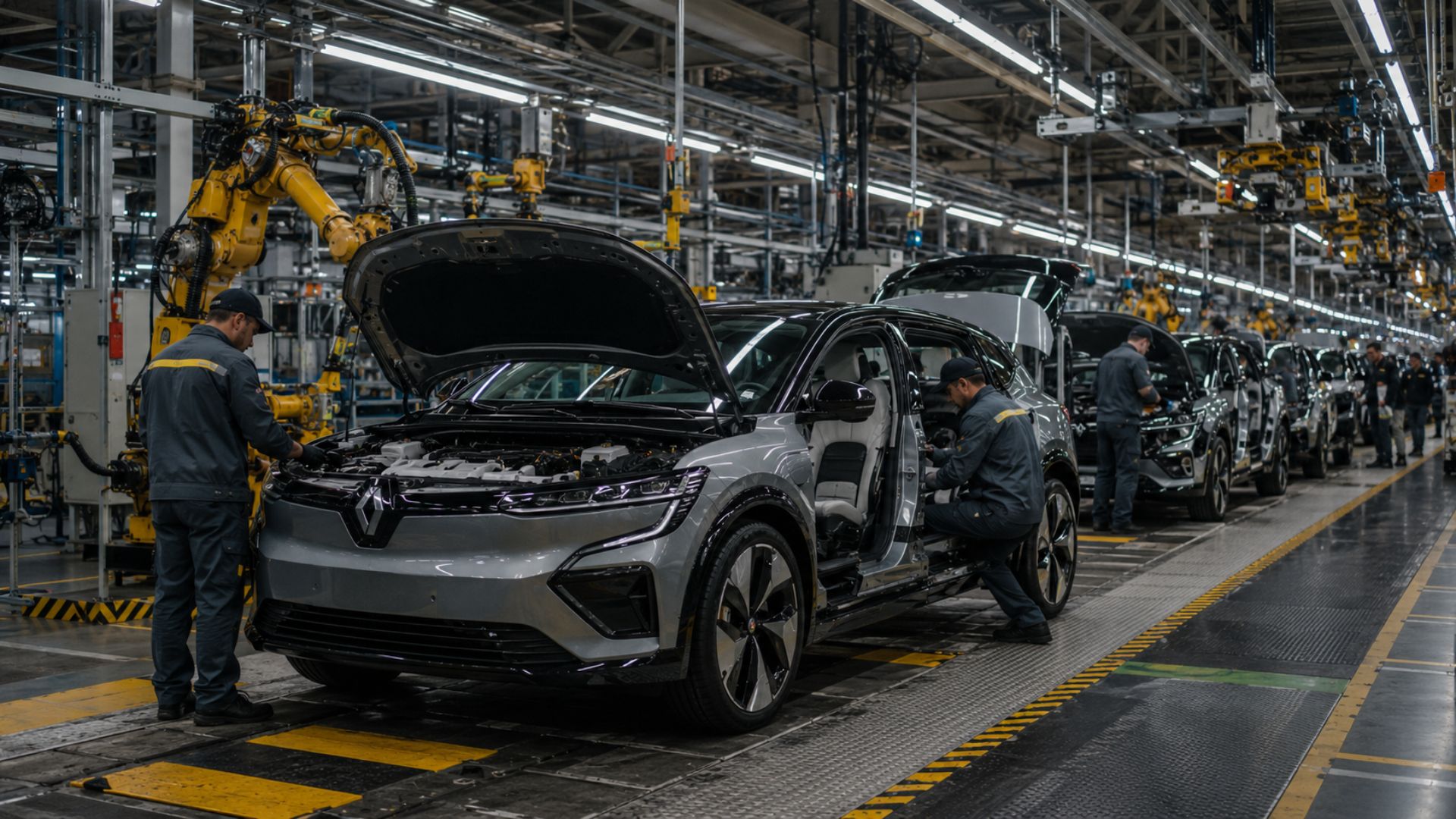
Frightened by the speed of Chinese manufacturers, Renault decided to mimic the pace, made the new electric Twingo in just 21 months, wants to repeat the feat with 36 models by 2030, and along the way, will cut up to 2,400 engineering positions.

-
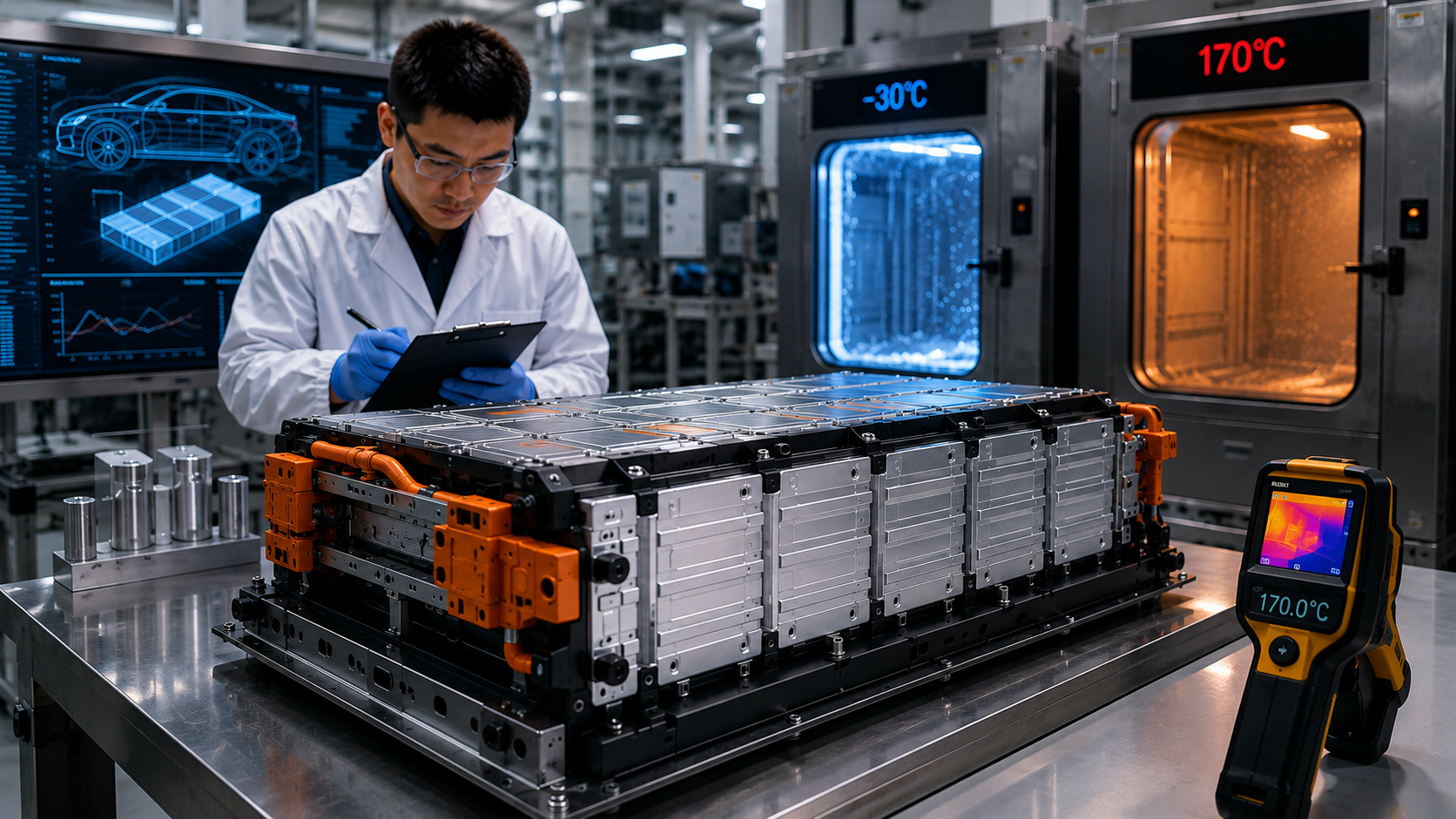
Chinese battery from Dongfeng promises to exceed 1,000 km without relying on liquid electrolyte, and the detail behind the technology could change the electric car competition.

-
The end of the automotive combustion era has already begun, but many in Brazil have not yet realized the magnitude of the shift towards Chinese electric cars.
Von der Leyen’s statement comes amid increasing criticism from executives of automakers such as Renault, BMW, and Stellantis. During the Munich Auto Show, representatives of these brands reiterated their concerns about the European law that bans the sale of combustion vehicles starting in 2035.
Despite the pressure, Von der Leyen emphasized that the CO2 reduction targets for 2025 have already been relaxed but insisted that the direction has not changed: the future of mobility will be electric.
Europe Between Tradition And Innovation
The President of the European Commission was also adamant in stating that the bloc cannot allow foreign dominance in the sector. “That’s why we propose to work with the industry on a new initiative for small and affordable cars. We cannot allow China and others to dominate this market,” she said.
Even without defined technical details, the proposal signals an effort to maintain the competitiveness of the local industry in light of the Chinese advance.
Von der Leyen concluded her speech by reminding that, regardless of regulatory adjustments, the electric transition is inevitable. In her words: “No matter what happens: the future is electric, and Europe will be part of it. The future of cars – and the cars of the future – must be made in Europe.”






Be the first to react!