






 Portuguese
  Spanish


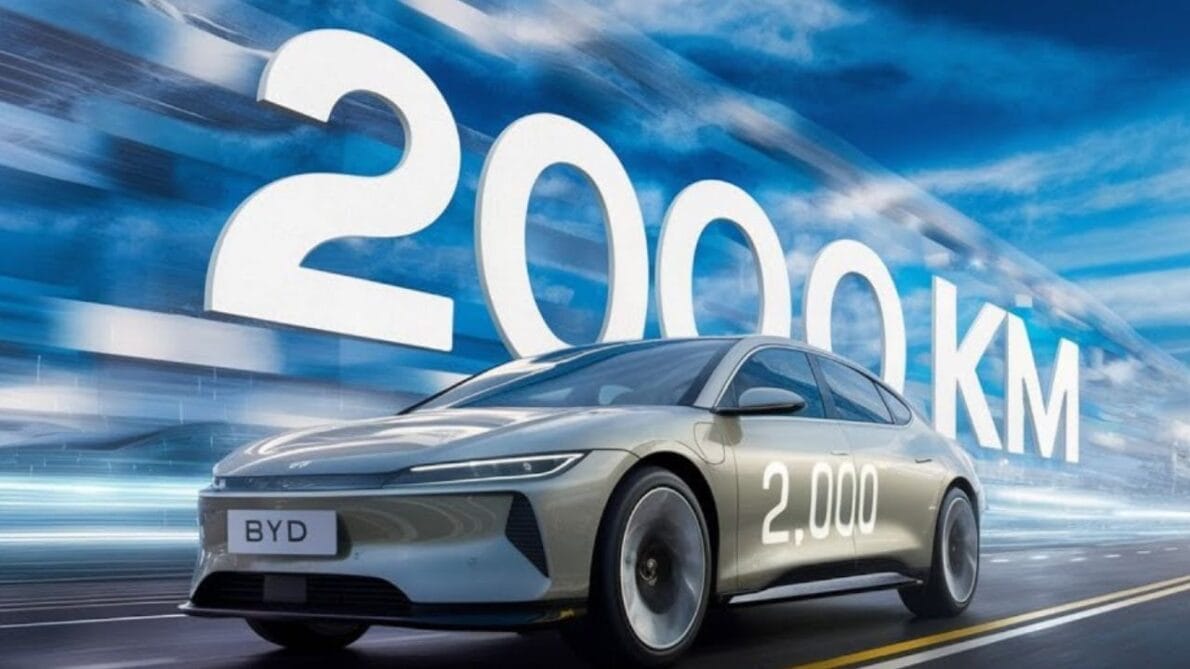

BYD Recently Announced the Launch of the Fifth Generation of Its Plug-In Hybrid Technology, DM-I 5.0. This Innovation Promises to Transform the Market with an Impressive Range of Over 2,000 km on a Single Tank of Fuel and a Fully Charged Battery. With This Range, It Would Be Possible to Travel from São Paulo to Salvador Without Refueling.
DM-I 5.0 Was Introduced in BYD Qin L and Seal 06 Sedans. The Technology Combines a 1.5-Liter Gasoline Engine, Highly Efficient, with Two Options of Blade Batteries, with Capacities of 10.8 kWh and 15.87 kWh. The Thermal Efficiency of the Engine Is 46.6%, the Highest in the World for Internal Combustion Engines.
The New BYD Hybrid System Offers Fuel Consumption of Only 2.9 Liters per 100 km. This Is Equivalent to More Than Three Times the Fuel Economy of Conventional Cars. In Addition, the Blade Battery Is Known for Its Safety and High Energy Density, Which Increases the Range and Efficiency of the Vehicle.
A Recent Test Conducted by a YouTube Channel Proved the Capability of the DM-I 5.0 Hybrid System

The BYD Car Traveled 2,400 km on a Full Tank and a Charged Battery, Confirming the Promise of Long Range and Efficiency.
-
2027 Toyota Corolla Cross Unveiled: New Design, Enhanced Fuel Efficiency, Reduced Maintenance Costs, Advanced Technology, Connected Services, and Up to 10-Year Warranty

-
Fiat Cronos Precision 2018: Affordable Sedan with Spacious Trunk and Reliable Maintenance
-
Volkswagen to Cut Production by 1 Million Cars by 2030, Reducing Jobs and Platforms, Focusing on More Profitable Models

-
Toyota Launches First 100% Electric Car in Brazil: bZ4X with 343 HP, All-Wheel Drive, 361 km Range, Priced at $419,990 BRL, Limited to 99 Units

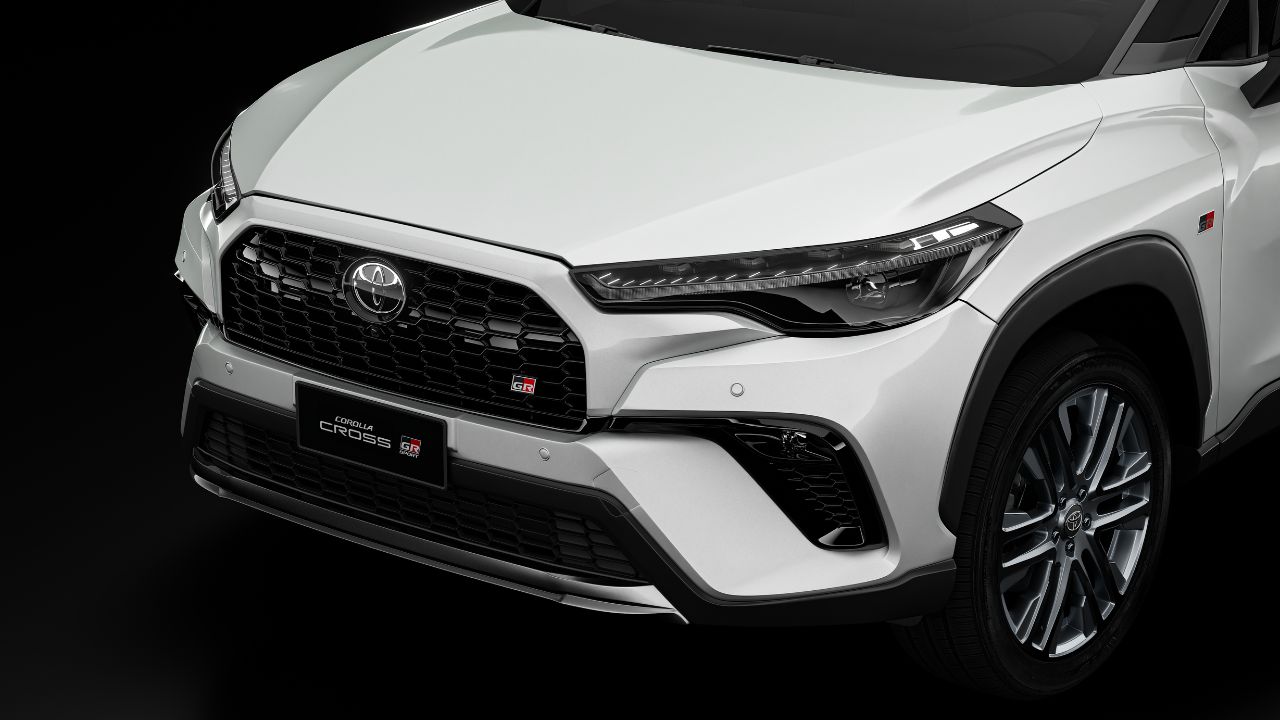


BYD Plans to Bring This Technology to Brazil in the Next 11 to 12 Months. With the Arrival of DM-I 5.0, the Automaker Expects to Lead the Transition to More Sustainable Vehicles in the Brazilian Market.
The BYD DM-I 5.0 Represents a Major Advancement in the Automotive Industry. With Its Impressive Range, Efficiency, and Sustainability, This Hybrid Technology Has the Potential to Redefine the Future of Automobiles, Offering a Viable and Eco-Friendly Alternative to Conventional Vehicles.








