






 Portuguese
  Spanish
  5 min of reading
  0 comments


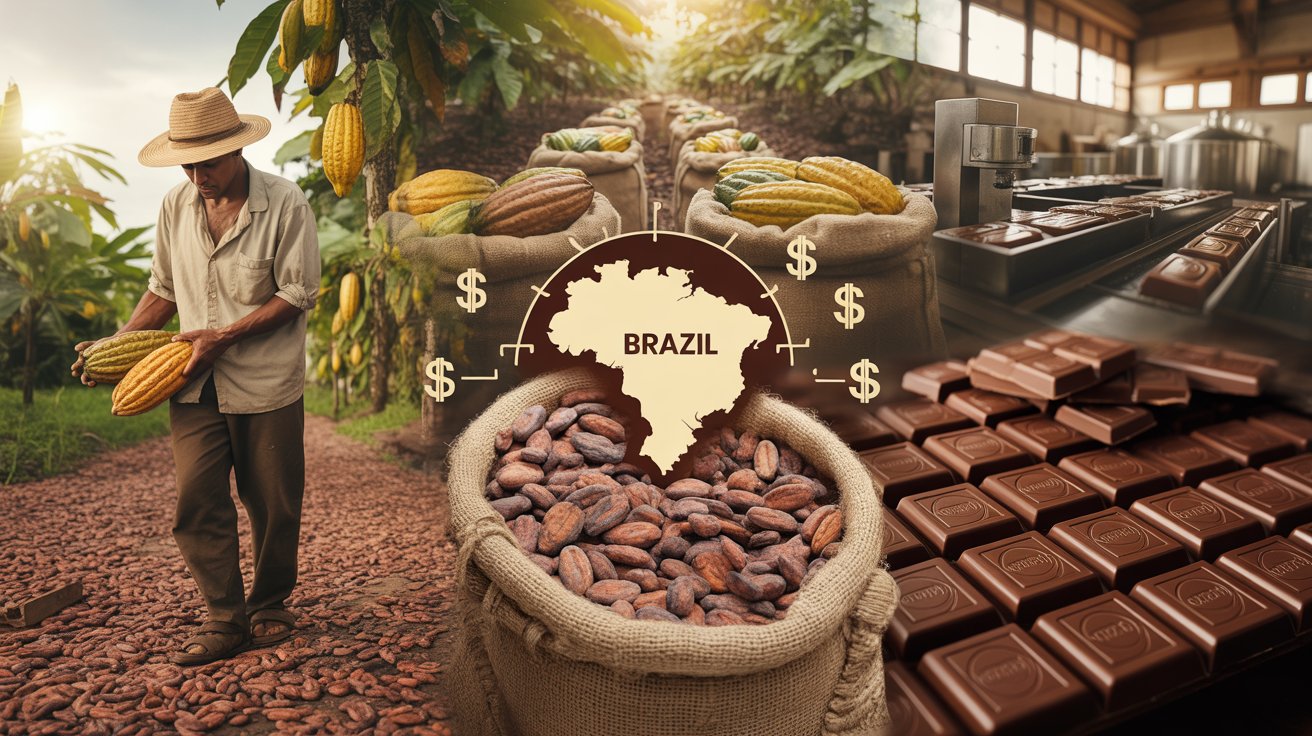
On World Chocolate Day, celebrated last Monday (7), data reveals that Brazil, the seventh largest producer of cocoa in the world, moves an agro-industrial chain that exceeds R$ 23 billion per year, but faces concentration in the industry, income disparities, and environmental challenges.
Brazil currently ranks 7th in the world cocoa production ranking, behind countries like Ivory Coast and Ghana. In 2023, according to data from the productive chain, the country harvested approximately 200 thousand tons of the fruit, with highlights for the states of Bahia and Pará. Espírito Santo and Rondônia have also been recording growth in the activity, contributing to the territorial expansion of national cocoa cultivation.
The cocoa productive chain involves everyone from small family farmers to large processing companies and food industries. This agro-industrial structure is considered strategic, both for its ability to generate jobs and for the financial volume moved annually.
According to the Ministry of Agriculture and the International Cocoa Organization (ICCO), the foundation of Brazilian production is in the hands of small producers, responsible for farms between 5 and 10 hectares. This profile strengthens family farming and contributes to social and environmental sustainability in the producing regions.
-
Low-Demand Brazilian Beef Offal Gains Popularity Abroad: Indonesia Purchases $19.5 Million, Boosting Revenue and Reducing Waste

-
Soy Expansion in Former Brazilian Savanna Sparks Water and Land Conflicts in Major Agricultural Frontier
-
Mexican Pest Threatens U.S. Cattle Herds at Historic Lows, Potentially Boosting Brazilian Beef Exports as Burger Prices Soar

-
Avocado Boom for European and U.S. Markets Fuels Water Crisis in Drought-Stricken Chilean Region


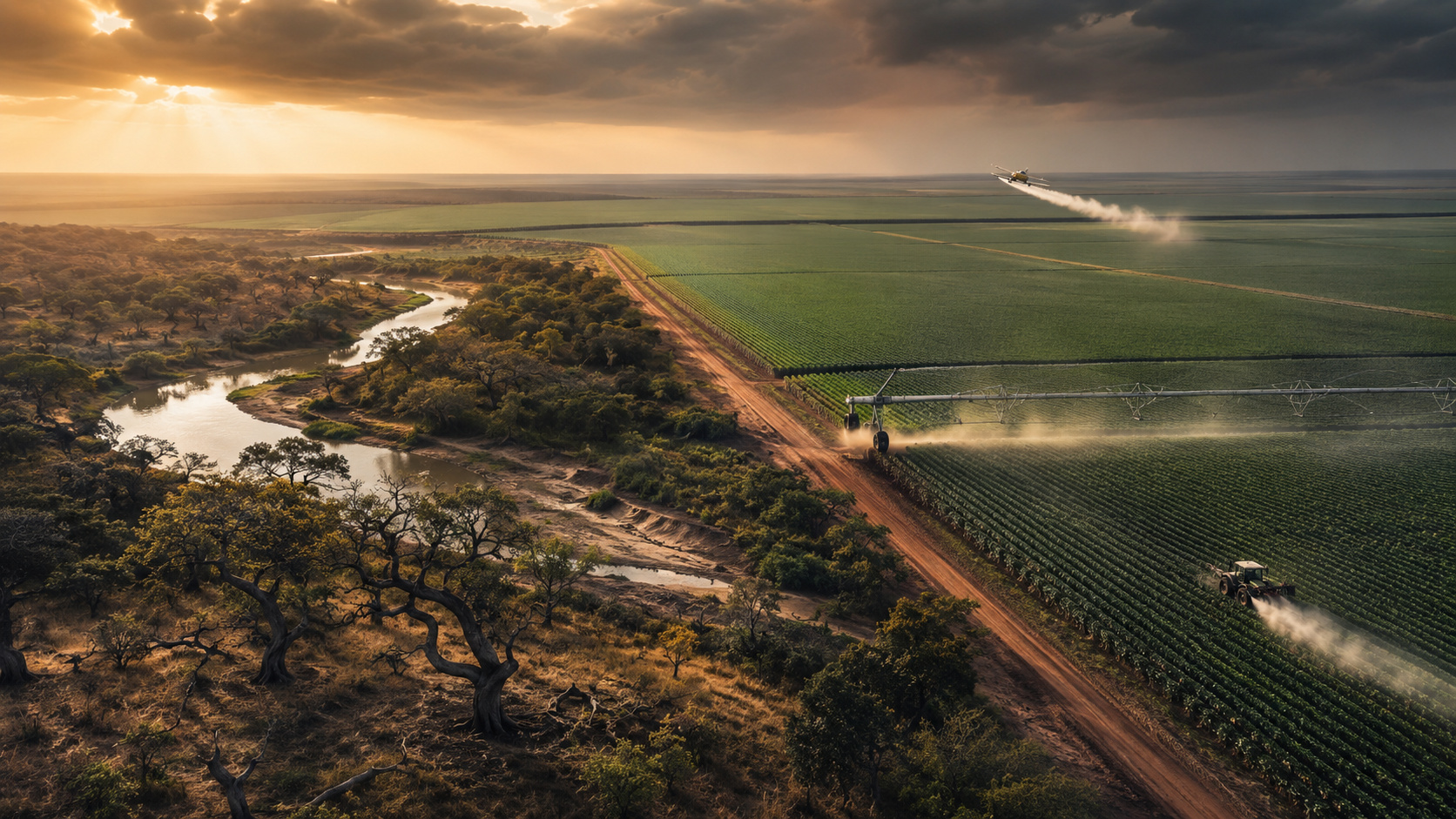


Industrial Milling and Market Concentration
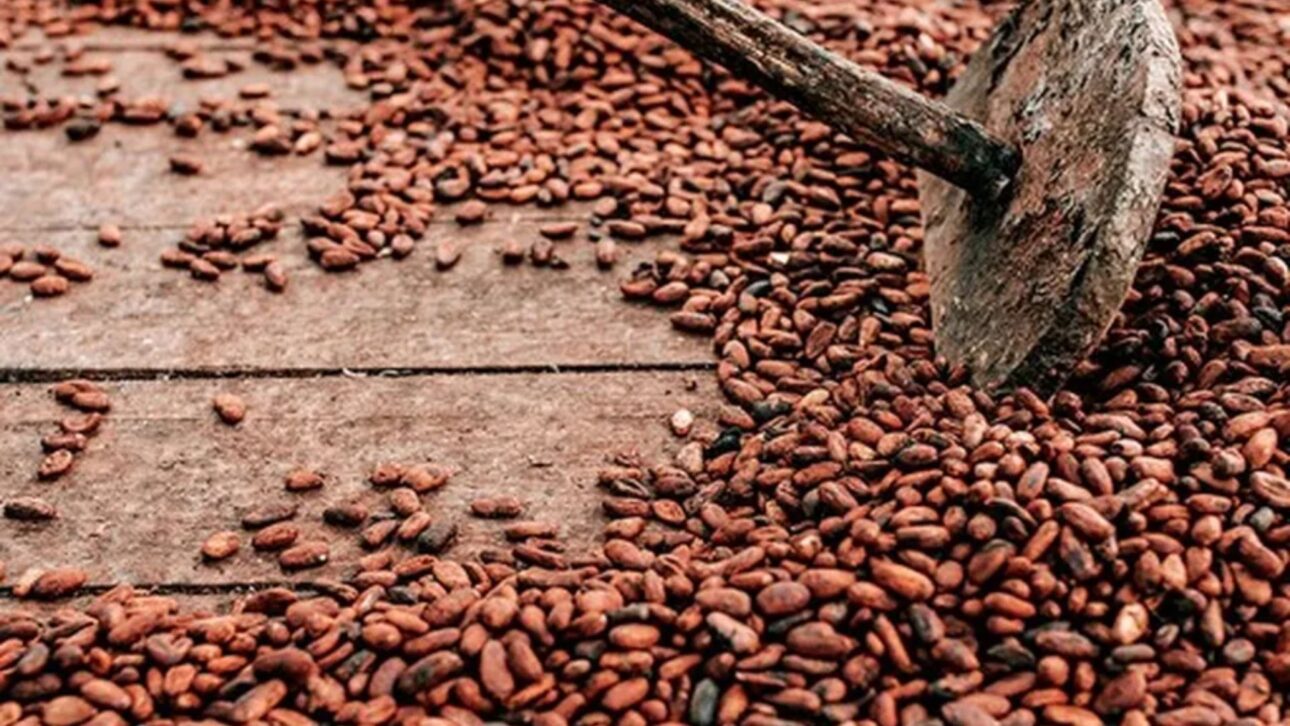
The last step in the field is the drying of the beans, which then proceed to industrial milling. In Brazil, four companies concentrate 95% of the milling, being responsible for transforming cocoa into liquor, butter, and powder, which supply the food, cosmetics, and beverage industries. They are:
- Cargill – based in the United States, is one of the largest agribusiness companies in the world and operates strongly in cocoa processing in Brazil.
- Barry Callebaut – Swiss multinational, global leader in chocolate and cocoa production, with a strong presence in the Brazilian market.
- OFI – Olam Food Ingredients – a group based in the United Kingdom and Singapore, with global operations in ingredients and a strong cocoa presence.
- IBC – Indústria Brasileira de Cacau – a Brazilian company that operates exclusively in the national cocoa transformation market.
The majority of the ground raw material in the country is destined for domestic consumption, but there are also significant exports, especially to Europe and the United States. This reinforces Brazil’s strategic position in the global supply chain.
Expanding Market: Revenue and Jobs
In economic terms, the Gross Value of Production (VBP) of Brazilian cocoa is estimated at R$ 18 billion, while the entire chain moves about R$ 23 billion per year. The generation of direct and indirect jobs reaches approximately 200 thousand people.
The year 2024 marked an outlier, with record values in international markets: the price per ton of beans surpassed US$ 10,000, the highest level in the last six decades. This appreciation benefited producers in some states, although the gains were not distributed equitably.
Exporters and processors captured a significant portion of the value, igniting the debate over fair compensation and long-term contracts in the cocoa chain.
Diversified Cultivation: Agricultural Practices in Different Biomes
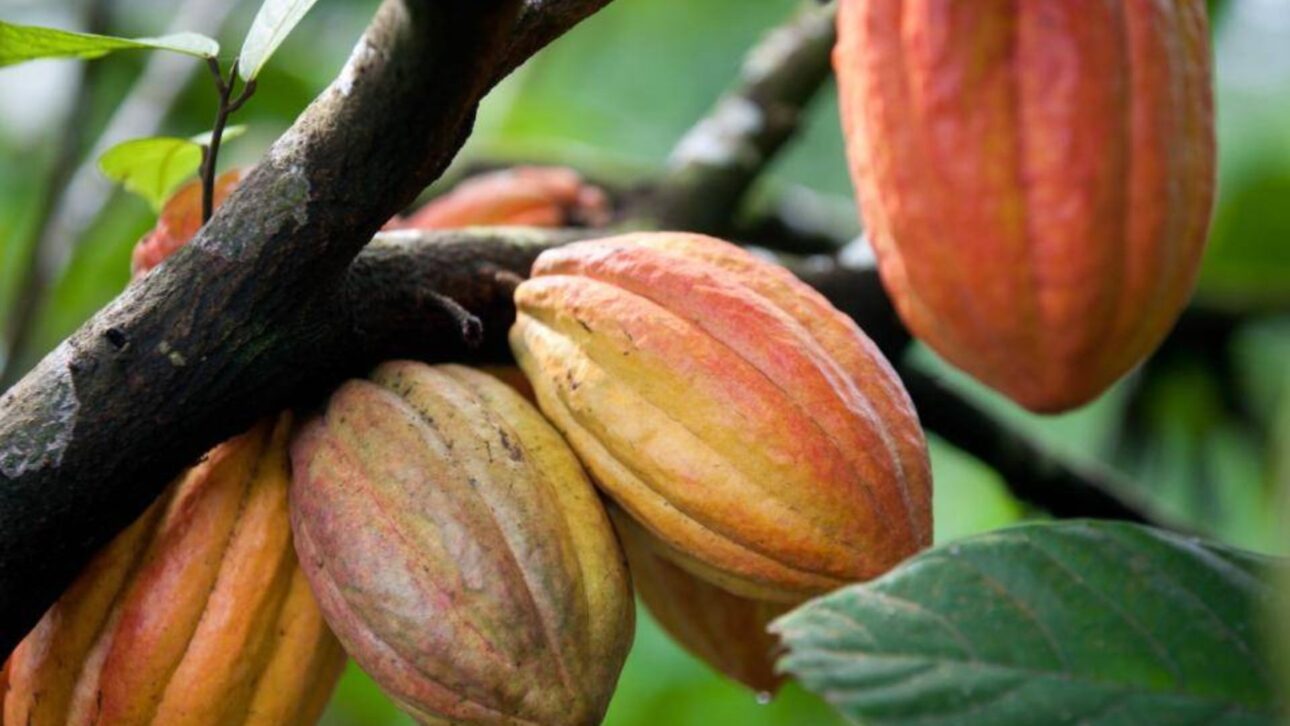
Cocoa is cultivated in Brazil in three main production systems, with different environmental and productive impacts:
- Cabruca: a traditional method that preserves the native forest, common in Bahia.
- Agroforestry systems: consortia with species like banana, cupuaçu, and native trees.
- Full sun: planting in open areas, with higher productivity and less vegetation cover.
These practices are essential not only for production but also for reforestation strategies and recovery of degraded areas, with potential for resource capture via the carbon market and green financing.
Harvest and Quality: The Cycle from Fruit to Chocolate
The productive cycle of cocoa involves two harvests per year: the main one occurs between October and April, and the second between May and September. After harvest, the beans undergo fermentation and sun drying, steps that directly influence flavor, acidity, and aroma.
These factors define the quality of the final chocolate and are fundamental for the market of specialty and artisanal chocolates, which value unique terroir characteristics.
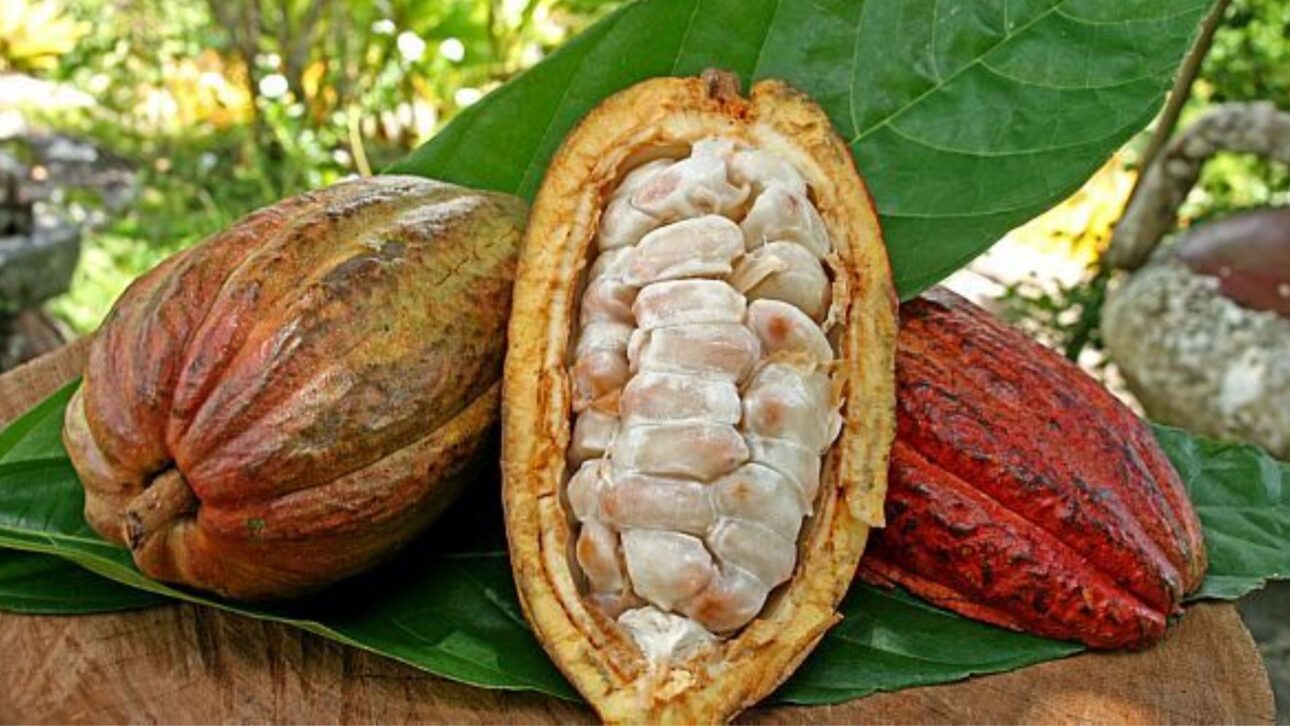
According to Brazilian legislation, for a product to be called “chocolate,” it must contain at least 25% cocoa solids. Products below this threshold must be labeled as “chocolate-flavored coating.”
Internal Consumption and International Expansion
The global chocolate market moves more than US$ 130 billion per year, with a focus on Europe and North America. However, Asian countries like China and India are experiencing the largest growth in consumption.
Brazil ranks 5th in the world in consumption, with an average of 3.5 kg per capita per year. The country is also one of the main destinations for local production, although exports of processed products have been increasing.
In addition to traditional consumption, new trends based on traceability, sensory quality, and lower sugar content are emerging, aimed at the premium audience.
Origin Chocolates: Valorization of the Short Chain
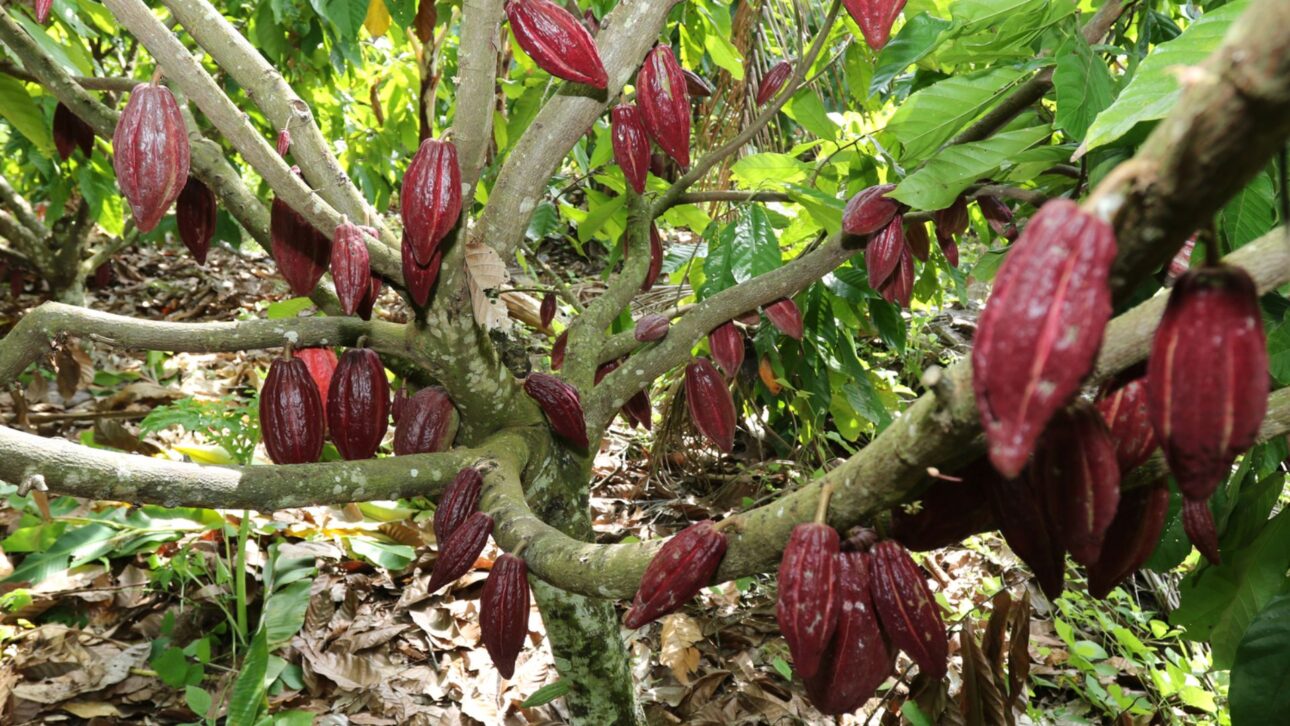
Movements like “bean to bar” and “tree to bar” are gaining ground in both domestic and foreign markets. In the first model, the manufacturer acquires cocoa beans directly and performs all steps up to the final product. In the second, the rural producer handles the entire process, from planting to chocolate production.
These models have stood out for their transparency, traceability, and valorization of small producers, in addition to meeting the demand for more natural and sustainable products.
The growth of this segment also drives the search for international certifications, such as UTZ and Rainforest Alliance, and encourages regenerative agricultural practices.
Future of the Sector: Innovation, New Regions, and Sustainability
In recent years, Brazilian cocoa has entered the agenda of ESG (Environmental, Social, and Governance) projects. The productive chain has sought to adapt to global demands with investments in traceability, transparency, and good agricultural practices.
At the same time, the use of cocoa in other segments of the industry, such as supplements, cosmetics, functional beverages, and products with high antioxidant content, is on the rise.
New regions like the Central-West and Southeast are being explored for the expansion of cocoa cultivation, especially through integrated crop-forest systems and access to green credits.
The information was disclosed by Forbes magazine in a special report on World Chocolate Day, with updated data for 2023 and 2024 from ICCO, the Ministry of Agriculture, sector companies, and producer associations. The survey covers the entire cocoa productive chain in Brazil, from field to industry, with a focus on market, sustainability, and innovation.
Did you imagine that behind a simple chocolate there is such a complex and strategic chain as that of Brazilian cocoa?





Be the first to react!