






 Portuguese
  Spanish
  3 min of reading
  0 comments


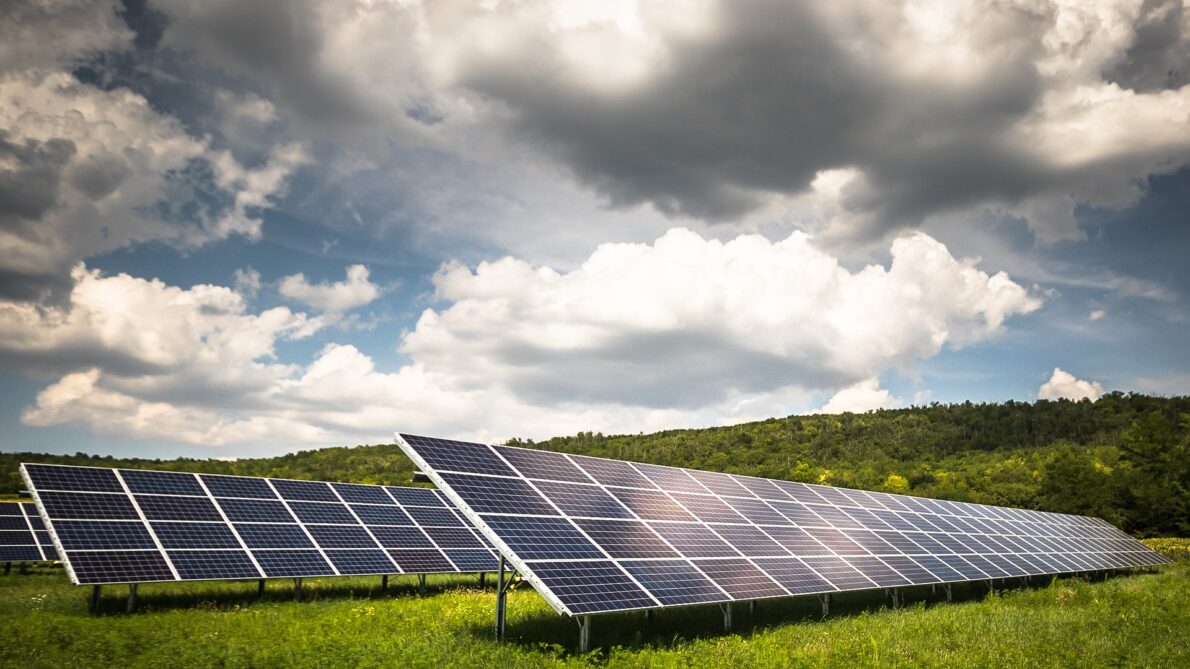
Solar Photovoltaic Energy in Brazil: 19.8% of the Electricity Grid, 57Mt of CO2 Avoided, 1.4 Million Jobs Created, 4 Million Credits.
Solar photovoltaic energy has established itself as one of the main energy sources in Brazil, holding the second place in the country’s Electricity Grid with a 19.8% share. This significant growth reflects the sector’s ability to avoid the emission of approximately 57 million tons of CO2 into our atmosphere. Additionally, the expansion of solar photovoltaic energy has had a significant impact on the job market, creating around 1.4 million jobs and strengthening the green economy.
Furthermore, photovoltaic systems are essential in the democratization of energy, benefiting over 4 million consumer units with credits on the public distribution network. This advancement has promoted greater energy independence and encouraged the use of renewable resources, aligning with a global trend towards increased environmental sustainability. In Brazil, the prominence of solar energy is rapidly advancing, standing out as a central pillar for a sustainable and less polluting energy future.
Overview of Solar Photovoltaic Energy in Brazil
Solar photovoltaic energy has gained increasing prominence in Brazil, representing an emerging sector that has been rapidly consolidating in the national energy landscape. The Brazilian Association of Solar Photovoltaic Energy reveals that the states with the highest number of plants are: first, São Paulo, followed by Minas Gerais, Rio Grande do Sul, Paraná, Mato Grosso, Goiás, Santa Catarina, Mato Grosso do Sul, Bahia, and in tenth place, Rio de Janeiro. Since 2012, the use of this sustainable technology for energy generation has brought significant benefits to the environment and the economy. Solar photovoltaic energy has prevented the release of 57 million tons of CO2, one of the greenhouse gases most harmful, paving the way for a greener future.
-
Solar energy can increase property value by up to 10% and become a selling point.

-
Solar and wind energy surpass natural gas for the first time in the world and accelerate energy revolution

-
Africa has about 500,000 cell towers and most still burn diesel to operate, while companies rush to cover antennas with solar energy and avoid signal blackouts.
-
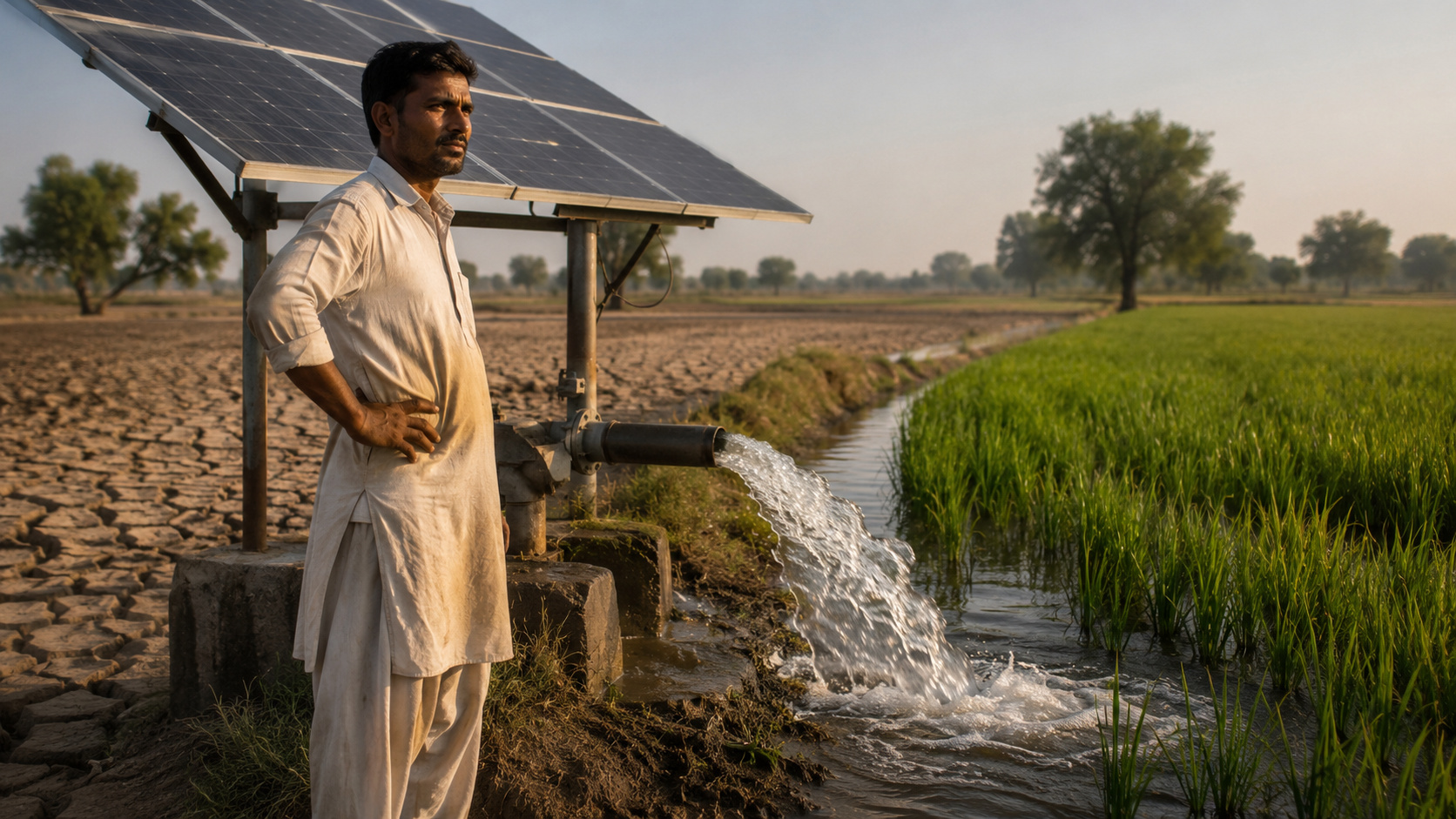
Farmers swapped diesel for solar panels in Pakistan, powered irrigation pumps almost cost-free, expanded rice fields, and now groundwater has become a red alert in the countryside.



Economic and Environmental Contributions of Solar Photovoltaic Energy
Not only does the environment benefit; photovoltaic energy is also an ally of economic development. It has already generated over 1.4 million new jobs in the country over the last decade, proving its positive social impact. Moreover, more than 4 million consumer units in Brazil are saving on their electricity bills through credits obtained from the Electric Energy Compensation System, with data from Absolar until September 2024. Thiago Müller Martins, a specialist engineer, emphasizes that the essence of this innovative system lies in the conversion of sunlight into electricity, using photovoltaic systems that are functional in practically any location.
Operation and Benefits of Solar Photovoltaic Energy
The inexhaustible and clean nature of solar energy makes it ideal for those seeking ecological solutions and savings. Thiago Müller Martins, partnership and energy manager at Quantum Engenharia, describes that the company has delivered over 150 photovoltaic system projects in Brazil, expecting to generate 360 GWh in the next 25 years. This will prevent the emission of about 190 million kilograms of CO2, comparable to 1.2 million kilometers traveled by car or to the planting of 5 million trees. Additionally, Quantum Engenharia plans to build another 9 plants in the second half of this year, aimed at a diverse range of sectors, from businesses to judicial bodies.
Structure and Applications of Photovoltaic Systems
The process of converting sunlight into electricity is achieved through solar panels equipped with photovoltaic cells, which are mainly composed of semiconductor materials, such as silicon. When exposed to light, these cells release electrons generating electric current, which powers electrical devices or is stored in batteries. The flexibility of photovoltaic systems allows their use in various sizes, from small residential installations to large power plants and even on water surfaces.
Variety and Economics in Photovoltaic Energy Systems
Solar photovoltaic energy can be implemented in isolated systems, known as Off Grid, where all electricity is generated and consumed on the same site, or integrated into the public grid, called On Grid. In the latter case, the excess produced is converted into credits, significantly reducing consumers’ electricity bills. According to the Brazilian Association of Solar Photovoltaic Energy, more than 4 million consumer units are already benefiting from the compensation system in Brazil, ensuring both savings and sustainability.
Source: © imprensa@estruturadecomunicacao.com.br







Be the first to react!