






 Portuguese
  Spanish
  3 min of reading
  0 comments


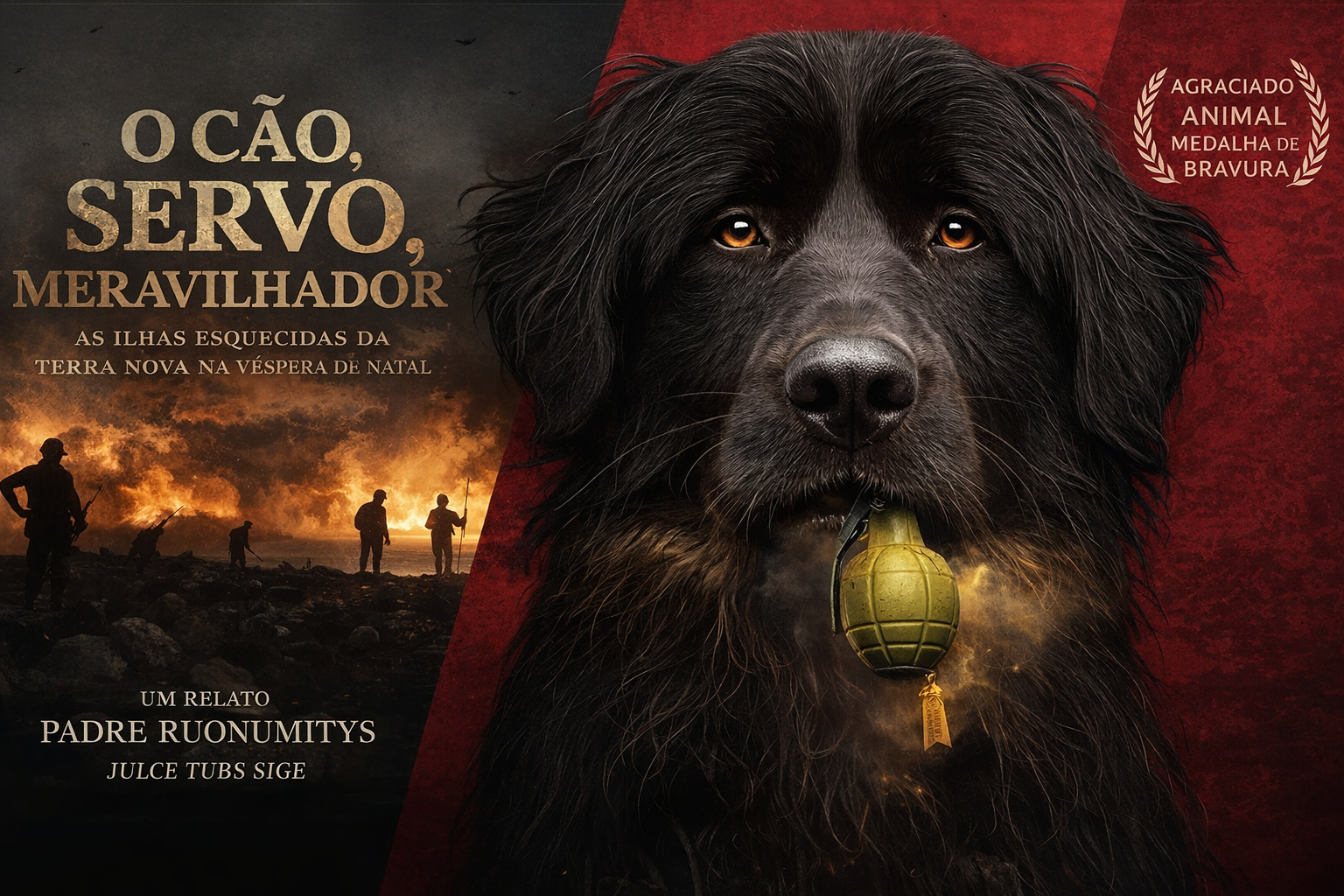
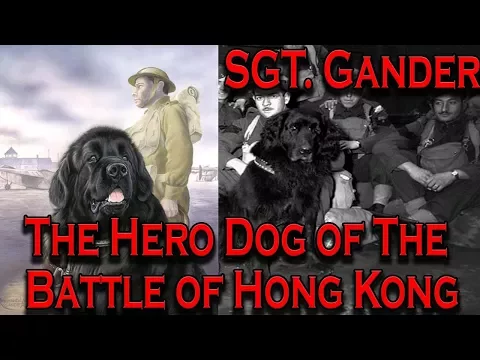
In World War II, The Dog Gander Saved Soldiers by Carrying a Grenade Away from the Group During the Battle of Hong Kong, Becoming a Military Hero.
Gander was not a combat-trained animal, nor was he part of an official military program. He was a Newfoundland dog, known for his large size, physical strength, and protective instinct. Before the war, he belonged to a civilian in Canada but ended up being adopted as a mascot by the Royal Rifles of Canada, an infantry regiment of the Canadian Army.
When the regiment was sent to the other side of the world to defend Hong Kong in 1941, Gander went along. What began as a mascot’s presence to boost troop morale turned into one of the most remarkable episodes of animal courage documented in armed conflicts.
The Context of the Battle of Hong Kong in World War II
The Battle of Hong Kong took place in December 1941, just a few days after the Japanese attack on Pearl Harbor. Japanese troops rapidly advanced against British, Canadian, and Indian positions in the colony, in an unequal confrontation in terms of numbers, armament, and air support.
-
The United States government approved a potential sale of 100 portable Stinger anti-aircraft missiles to the Brazilian Army, in a package estimated at around 330 million dollars that still depends on negotiations between the two countries.

-
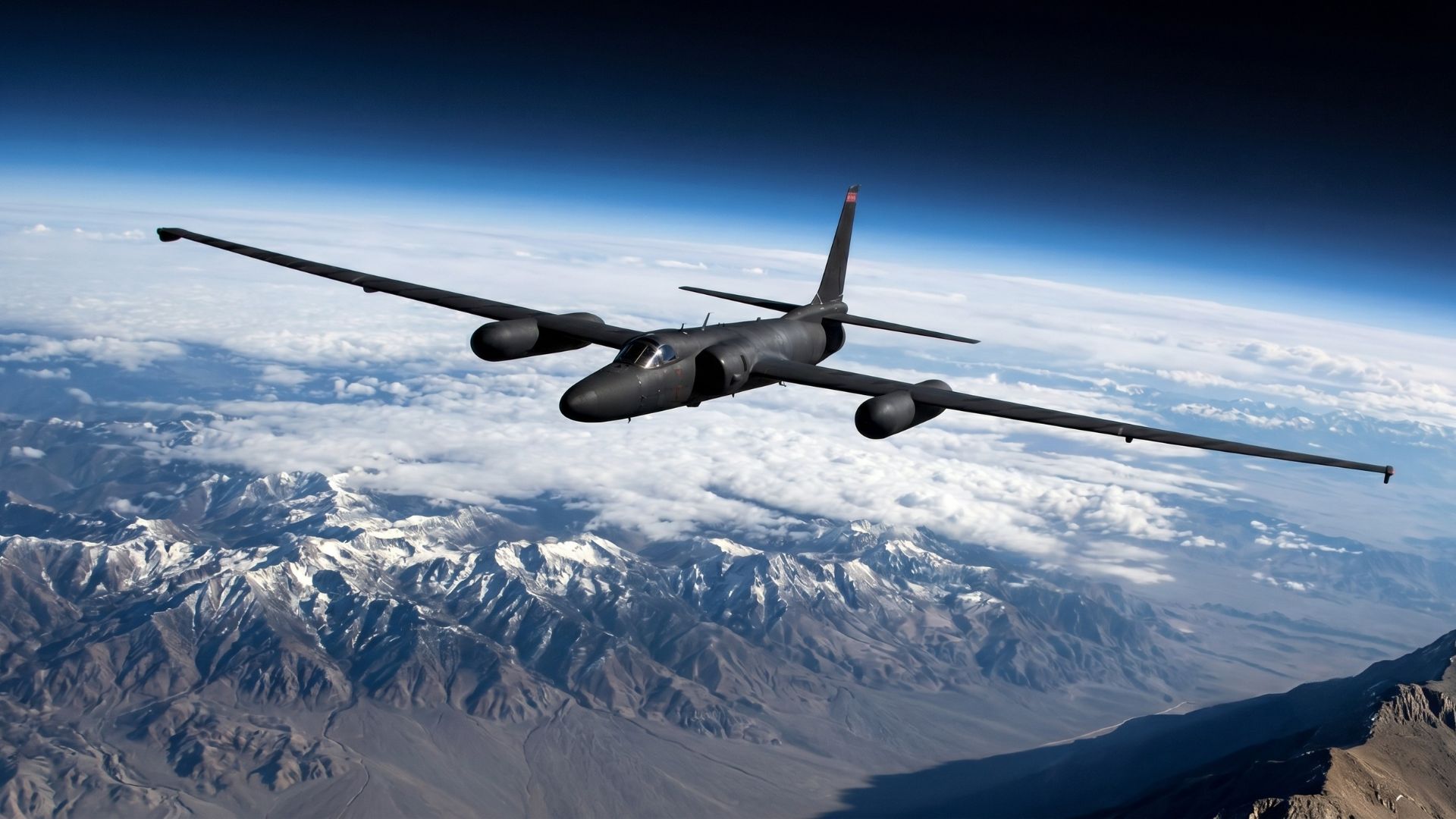
The spy plane that flies on the edge of space and requires the pilot to wear an astronaut suit: U-2 Dragon Lady has been crossing the skies above 21 km altitude since the Cold War and remains one of the most extraordinary reconnaissance aircraft ever built.
-
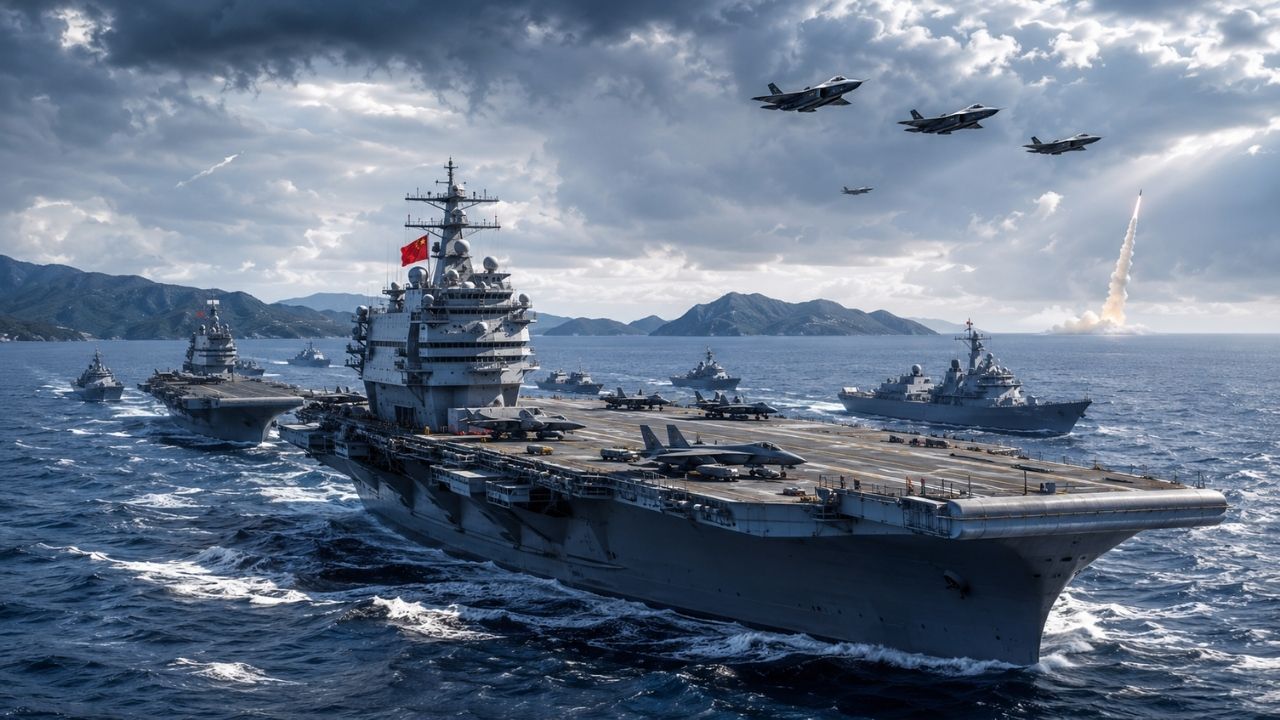
Chinese aircraft carriers on alert amid Japanese military advancement: exercises with 64 anti-ship missiles, F-35 fighters, and new Type-12 missiles highlight the race to protect giant fleets in the Western Pacific.

-
USS Gerald R. Ford, the most expensive aircraft carrier in the world, returned to the USA after almost 11 months at sea with 4,600 military personnel on board, but is entering maintenance to repair a fire, rebuild accommodations, and fix a bathroom system that caused a series of failures.



The Canadian soldiers of the Royal Rifles of Canada were entrenched in improvised defensive positions, facing constant bombardment, infantry attacks, and heavy use of grenades. It was in this extreme scenario that Gander ceased to be just a mascot and instinctively began to act as the group’s protector.
The Moment When Gander Saved Lives on the Battlefield
During a direct confrontation with Japanese troops, an enemy grenade was thrown towards a group of wounded soldiers, who were physically unable to move quickly. Realizing the strange object and the imminent danger, Gander did something unexpected even for war veterans.
The dog grabbed the grenade with his mouth and ran away from the group, distancing himself as much as possible. The explosion occurred seconds later, killing Gander instantly, but saving the lives of several soldiers nearby.
This was not an isolated act. Reports indicate that Gander had previously reacted against Japanese soldiers, moving to defend his companions on other occasions during the battle.
Why Gander’s Sacrifice Is Considered Unique in Military History
Unlike animals used in war for specific tasks — such as horses, pigeons, or messenger dogs, Gander was not trained for this type of action. What makes his story unique is the spontaneous nature of the act, motivated solely by instinct to protect.
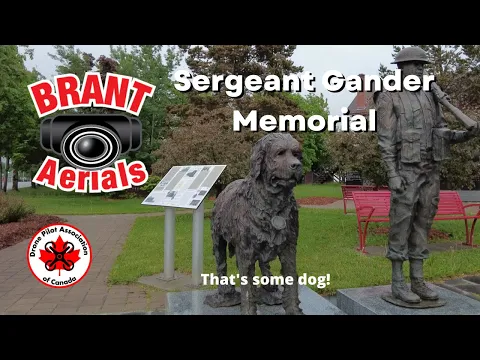
His sacrifice occurred in real combat, documented by surviving soldiers and officially recognized decades later. In 2000, Gander posthumously received the Dickin Medal, the highest military honor awarded to animals, considered the animal equivalent of the Victoria Cross.
Gander’s name was also included on the Hong Kong Veterans Memorial Wall in Ottawa, alongside human soldiers who fought and died in the same battle — a rare and symbolic recognition.
The Legacy of Gander and the Role of Animals in Human Conflicts
The story of Gander reveals a little-discussed aspect of war: the involuntary yet decisive role that animals had in armed conflicts throughout history. Amid political decisions, military strategies, and technologies of destruction, a dog’s gesture showed that courage and sacrifice are not exclusive to human beings.
Gander did not change the outcome of the battle nor prevent the fall of Hong Kong, but saved real lives in one of the most critical moments of the conflict. His legacy remains a symbol of absolute loyalty and protective instinct taken to the extreme.
More than eight decades later, the story of the dog that ran with a grenade in his mouth continues to be remembered not as a curiosity but as one of the most remarkable episodes of bravery ever recorded in World War II.







Be the first to react!