Portuguese
  Spanish


Procedure with conscious patient allows real-time monitoring and helps doctors preserve essential brain areas during the operation
A medical technique gaining visibility in the field of neurosurgery has started to draw attention: awake brain surgery, already used in specific contexts, has shown significant results by allowing patients to perform activities during the procedure, including playing musical instruments. This approach highlights an evolution in how delicate interventions are conducted, as it integrates the patient’s active participation in the surgical process. At the same time, it reinforces the pursuit of greater precision and safety in operations involving sensitive areas of the brain.
Real-time brain mapping enhances surgical precision
During the surgery, the patient receives anesthesia to avoid pain but remains conscious at certain times to interact with the medical team. This process allows professionals to request actions such as speaking, moving body parts, or performing specific tasks. From these responses, doctors can accurately identify which regions of the brain control essential functions like speech, coordination, and movement. This strategy enables interventions to be carried out with greater safety, reducing the risk of damage to critical areas. Thus, the procedure becomes more controlled and guided by immediate responses from the patient.
Use of musical instruments contributes to clinical decisions
The use of instruments during surgery does not occur randomly but follows a well-defined clinical logic. Patient Denise Bacon played the clarinet while doctors performed a surgical procedure on her brain. The musical performance allowed real-time observation of possible changes in neurological functions. This direct monitoring enables the medical team to refine the procedure with greater precision. In cases such as Parkinson’s treatment, this practice aids in the immediate assessment of the effects of interventions, contributing to safer decisions during surgery.
-
She heard for decades that space was not a place for women, became a pioneer in aviation, was part of the Mercury 13, and at 82, finally traveled with Jeff Bezos before dying at 87.

-
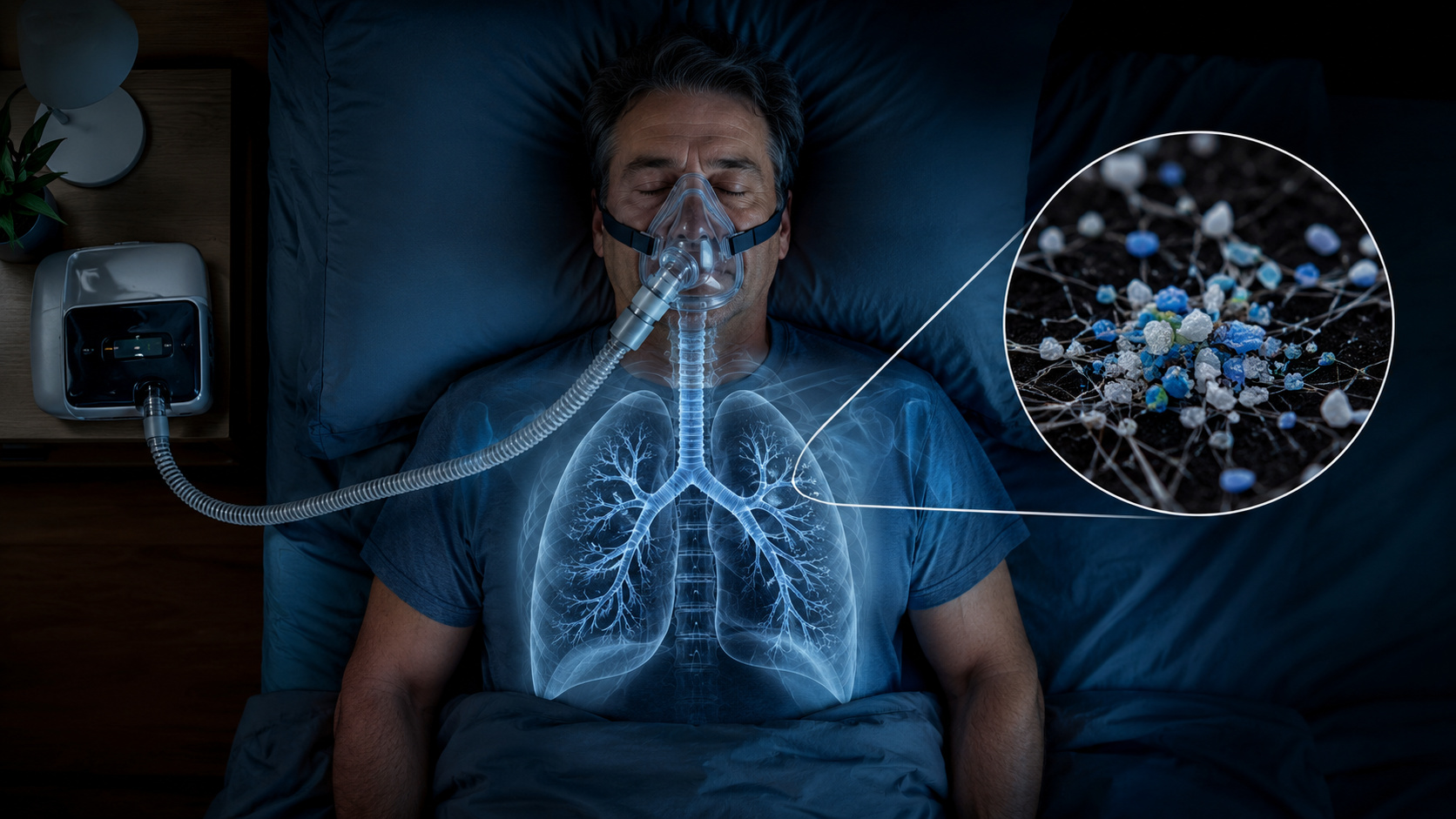
Scientists investigate microplastics in the airways of patients with sleep apnea and reveal a new focus for research on environmental pollution, human exposure, and possible impacts on breathing quality.
-
For the first time, scientists have seen the ocean floor open up in real-time—plates moving apart by two meters in a few days and 160 million cubic meters of lava emerging on the seafloor.
-
Iraq floats and sinks under an arm of the Euphrates 10 giant concrete boxes of 46,000 tons and 125 meters each to assemble a 2.4 km submerged tunnel and open a new land route between Asia and Europe.





Clinical benefits reduce risks and preserve functions
The technique presents important advantages by allowing continuous monitoring of brain functions throughout the operation. This monitoring reduces the likelihood of sequelae related to speech, movement, or coordination. According to information, the method does not necessarily increase the risks of the procedure. On the contrary, it contributes to greater control of the intervention, as it guides the surgeon based on the patient’s responses. In some cases, this approach is also associated with faster recovery, as essential areas are preserved with greater precision.
Advances in neurosurgery expand the application of the technique
Awake surgery was already known in medicine, but its application has expanded with advances in brain monitoring techniques. The development of more precise methods has allowed the integration of specific activities into the procedure, including the use of musical instruments as a functional evaluation tool. This advancement reflects an important evolution in neurosurgery, which seeks to reduce risks and increase the effectiveness of interventions. By incorporating new strategies, medical practice adapts to handle complex conditions more safely and efficiently.
Active patient participation redefines surgical approach
The direct interaction of the patient during surgery represents a significant change in the conduct of neurological procedures. By responding to stimuli and performing tasks, the patient contributes to more precise medical decisions. This approach model reinforces the importance of collaboration between the medical team and the patient, especially in interventions that require a high level of control. Thus, the technique becomes more than just a technical procedure and integrates human responses as an essential part of the surgical process.
To what extent can the active participation of the patient continue to enhance safety and redefine the limits of modern neurosurgery?