Portuguese
  Spanish


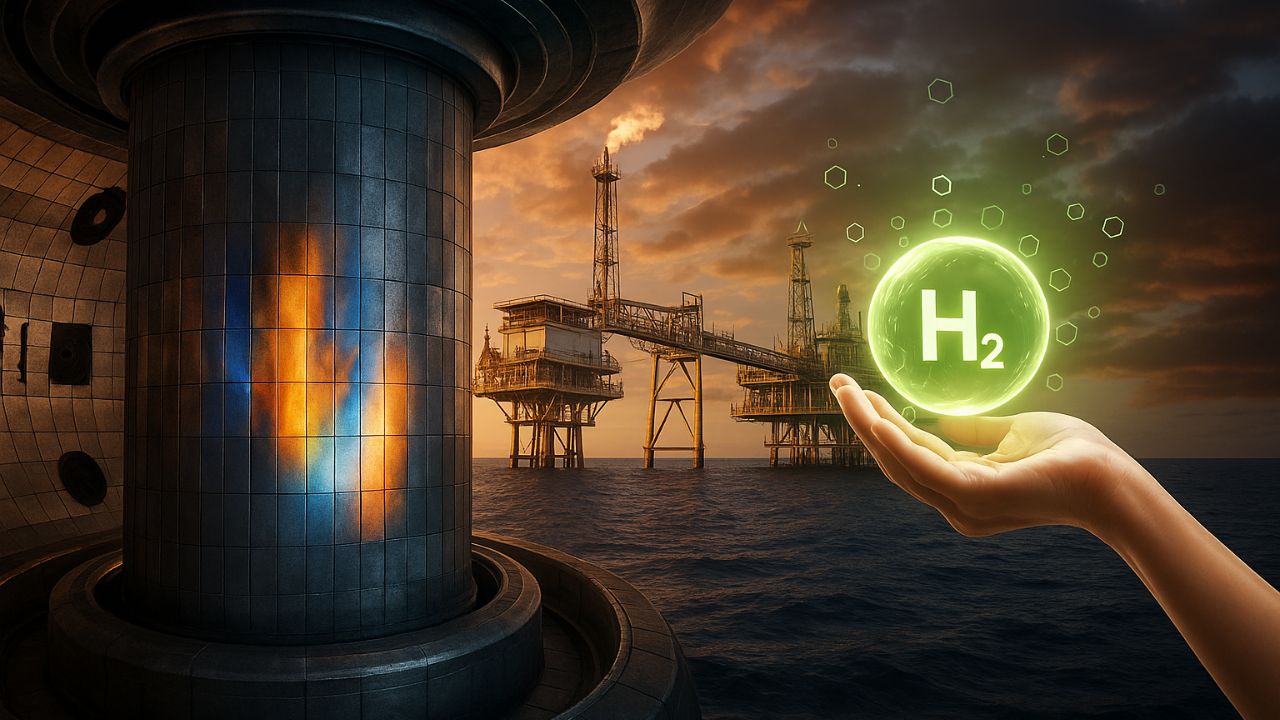


Know The Pioneering Project That Integrates A Small Modular Reactor To Produce Hydrogen, Electricity, And Potable Water Simultaneously, From An Innovative Simulator In The US.
A breakthrough that could redefine the future of clean energy has been achieved in the United States. NuScale Power Corporation, in partnership with GSE Solutions, launched the simulator for the first nuclear reactor in the world focused on hydrogen production, fully integrated with a Small Modular Reactor (SMR) control room. Located in Corvallis, Oregon, the system demonstrates how nuclear energy can generate hydrogen on a large scale and without carbon emissions, a crucial step towards global industrial decarbonization.
The Innovative Technology Of The First Nuclear Reactor In The World
At the center of this new architecture are the reversible solid oxide fuel cells (RSOFCs). This cutting-edge technology has a remarkable dual function. It is capable of generating electricity, hydrogen, and clean water simultaneously.
The simulation uses advanced tools to model a real-scale hydrogen production that can be greater than 200 metric tons per day. This positions NuScale’s SMR ecosystem as a comprehensive solution, addressing multiple challenges within a single integrated platform.
-
Brazilian Students Convert Seized Illegal TV Boxes into Linux-Powered Mini Computers for Schools and Social Projects Across São Paulo

-
Brazilian Engineer Develops Affordable Custom 3D-Printed Prosthetics for Children and Teens, Operated by Elbow or Wrist Movement Without Batteries

-
China Left 51 Rocket Bodies in Low Earth Orbit Between 2021 and 2025, Doubling Previous Period, Report Warns of Space Debris Threatening Satellites for Decades
-
Brazilian Researcher Uses Low-Cost Sensors to Measure Cyclists’ Pollution Exposure in São Paulo




A Real-Time Simulator To Validate The Future
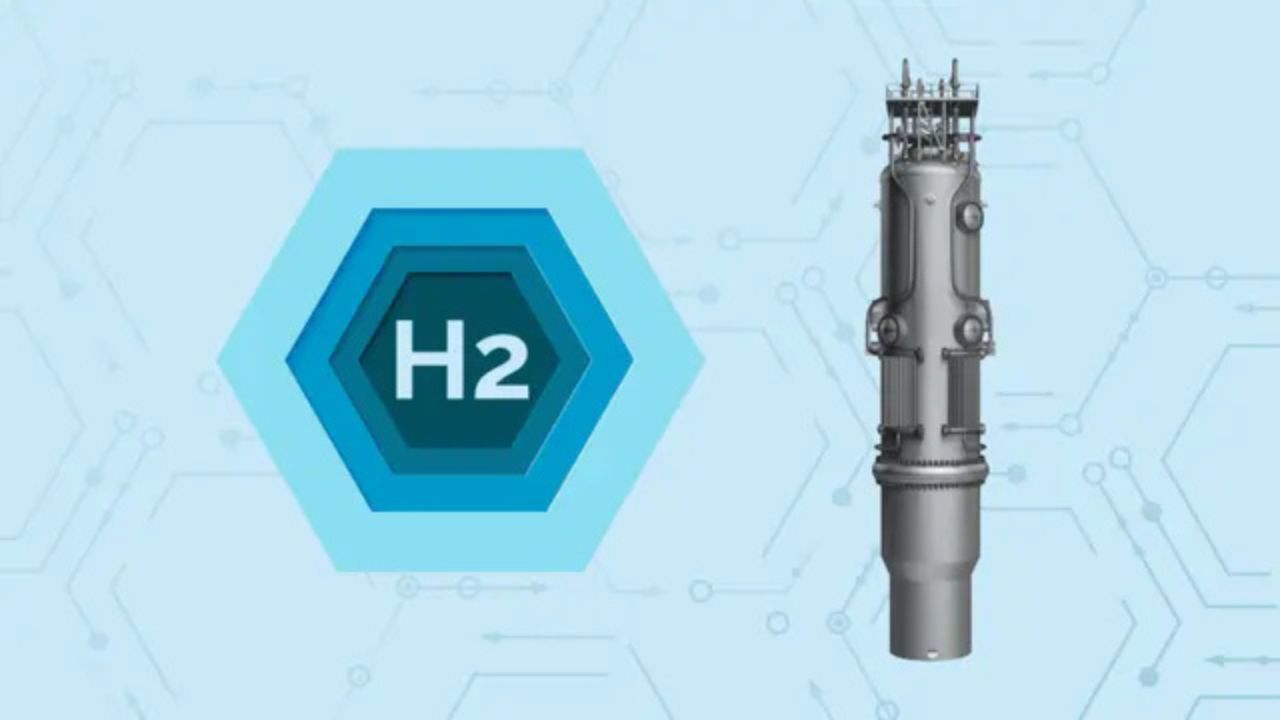
This system is much more than a laboratory model. The simulator of this first nuclear reactor in the world focused on hydrogen operates in real-time, replicating all thermal and process interactions between the reactors and hydrogen production. Its function is dual: to validate the system and to develop the workforce of the future.
NuScale plans to use the simulator to train operators and create a flow of qualified professionals. Training environments with such fidelity are rare, and their integration with nuclear technologies is unprecedented in the industry.
Why The First Nuclear Reactor In The World May Surpass Renewables In Hydrogen Production?
NuScale’s simulator points to a strategic shift: using SMRs as central assets in the hydrogen economy. While renewable sources are intermittent, SMRs provide a clear advantage: they deliver thermal and electric energy consistently.
This stability is essential for high-temperature electrolysis, ensuring resilient and modular production. Nuclear energy, through projects like the first nuclear reactor in the world for hydrogen, thus presents itself as the anchor for a more reliable hydrogen infrastructure.
Transforming Desalination Waste Into Clean Fuel
The applications of the technology go beyond that. A single NuScale SMR module can generate 150 million gallons of clean water per day through desalination. The biggest innovation, however, lies in what happens next.
In partnership with U.S. government laboratories, NuScale has developed a process that converts brine (desalination waste) into hydrogen. This closed-loop approach eliminates the need for conventional electrolysis and reduces the consumption of fresh water.
“It’s a win-win situation for everyone“, says Dr. José Reyes, CTO of NuScale. “Our innovation addresses urgent global challenges in terms of water scarcity and clean energy, simultaneously and sustainably.”