






 Portuguese
  Spanish
  3 min of reading


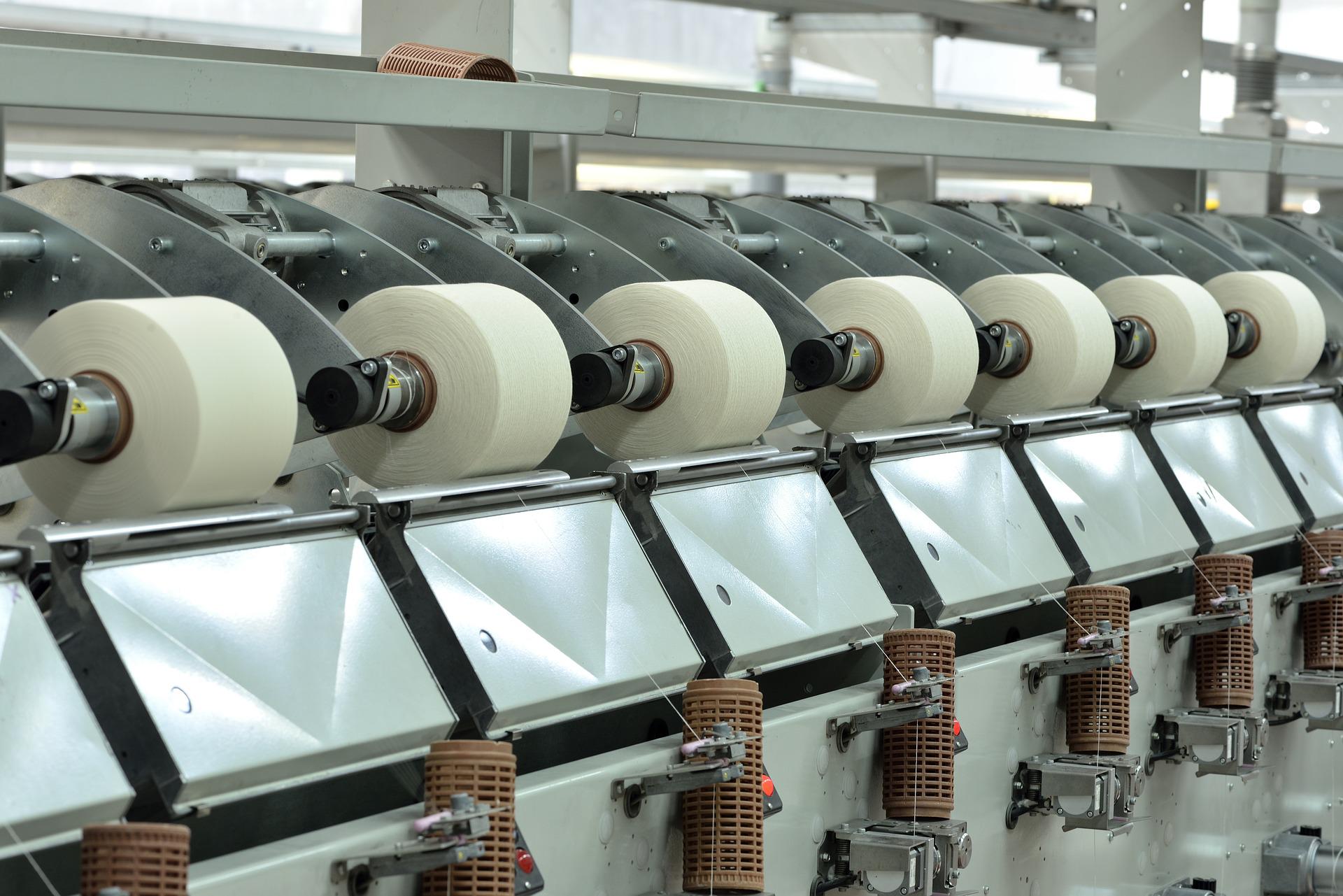
Simatex 2022 Was an Event Held Between May and June in the City of Buenos Aires, Argentina. The Main Goal of the Meeting Was to Showcase Viable Solutions for Companies Focused on Textile Machinery Production and Economy. Only During the Period When the Event Took Place, It Is Estimated That the Sector Had Monetary Circulation Above US$ 980 Thousand! According to Specialists Who Attended, the Market Will Be Driven on a Million-Dollar Scale This Year with Over US$ 2.7 Million in the Next 12 Months.
The Simatex 2022 fair took place between May 30 and July 2 in Argentina and stimulated the textile machinery sector with the presentation of new technologies and economy. In total, the event had more than 200 exhibitors and around 12 thousand square meters of pure innovation. Knitted fabrics, dyes, and chemical products were among the highlights of the research brought by institutions in the area, which were in search of solutions to reduce costs and increase productivity processes. Some brands that participated in the event during these days were: Audaces, Castilho, Comelato Roncato, Delta Máquinas Têxteis, Porta Cabos, and Socio Tec.
Brazil Machinery Solutions predicts that the textile machinery sector could generate at least US$ 2.8 million in the next 12 months. Brazil Machinery Solutions is an institution created through a partnership between Apex Brasil and ABIMAQ.
Textile Industry Reaches the Argentine Market on a Large Scale and Appears Promising.
Argentina is currently one of Brazil’s main economic partners when it comes to industrial exports, being the fourth largest trading partner. Only during last year, the country imported US$ 4.9 million, and one of the most traded products was textile looms with cylinders larger than 165 mm. It is worth noting that this product represented over 40% of all Argentine imports. Last year, another product closely linked to Brazil’s exports to abroad was clothing drying machines, which totaled a trading value of US$ 777 thousand.
-
Brazilian Joins Homeownership Consortium, Faces Decade of Dual Payments Totaling $141,000, Surpassing Traditional Mortgage

-
Land Rover to Halt Production in July, Putting 371 Jobs at Risk, as Chinese Automaker Negotiates to Convert Factory to 100,000 Vehicles Annually by 2027

-
Mexican Pest Threatens U.S. Cattle Herds at Historic Lows, Potentially Boosting Brazilian Beef Exports as Burger Prices Soar

-
Brazilian Freight Bill Progresses in Congress with $5,000 Minimum Wage, 70% Advance Payment, and Fines Up to $1 Million, as Agriculture and Industry Warn of Rising Costs and Legal Uncertainty


Who Are the Main Exporters from Brazil Regarding Textile Machinery?
Brazil managed to export US$ 57.5 million in machinery to other countries in 2021. One of the largest importers has been Germany, which has become a reference in the industrial revolution in the 21st century. In second place are the United States, managed by Joe Biden, followed by Paraguay and Argentina, practically with very similar data. Of all Brazilian imports, the Germans represent at least a quarter of the economy.
The United States increased imports last year by at least 71% compared to 2020 data. The increase from 2020 to 2021 in Paraguay is one of the most impressive, reaching 96%! In other words, it almost doubled during the Covid-19 pandemic.
What Is Brazil Machinery Solutions, the Institute Responsible for Data Collection?
Brazil Machinery Solutions, also known in the country by the acronym BMS, was created through a partnership between the Brazilian Agency for Export Promotion and Investments (ApexBrasil) and the Brazilian Association of Machinery and Equipment Industry (ABIMAQ), to raise and strengthen the image of the textile industry in Brazil and promote the international market in this category.
Currently, the program has more than 200 members concerned with automating industry processes while simultaneously massively reducing plastic use and waste in operations. The institution’s associates are present in over 160 countries.





Be the first to react!