






 Portuguese
  Spanish


In China, a Residential Building Houses About 30 Thousand People and Concentrates Services Such as Schools, Markets, and Clinics, Functioning as a Vertical City That Sparks Interest Due to Its Size and the Lifestyle It Offers.
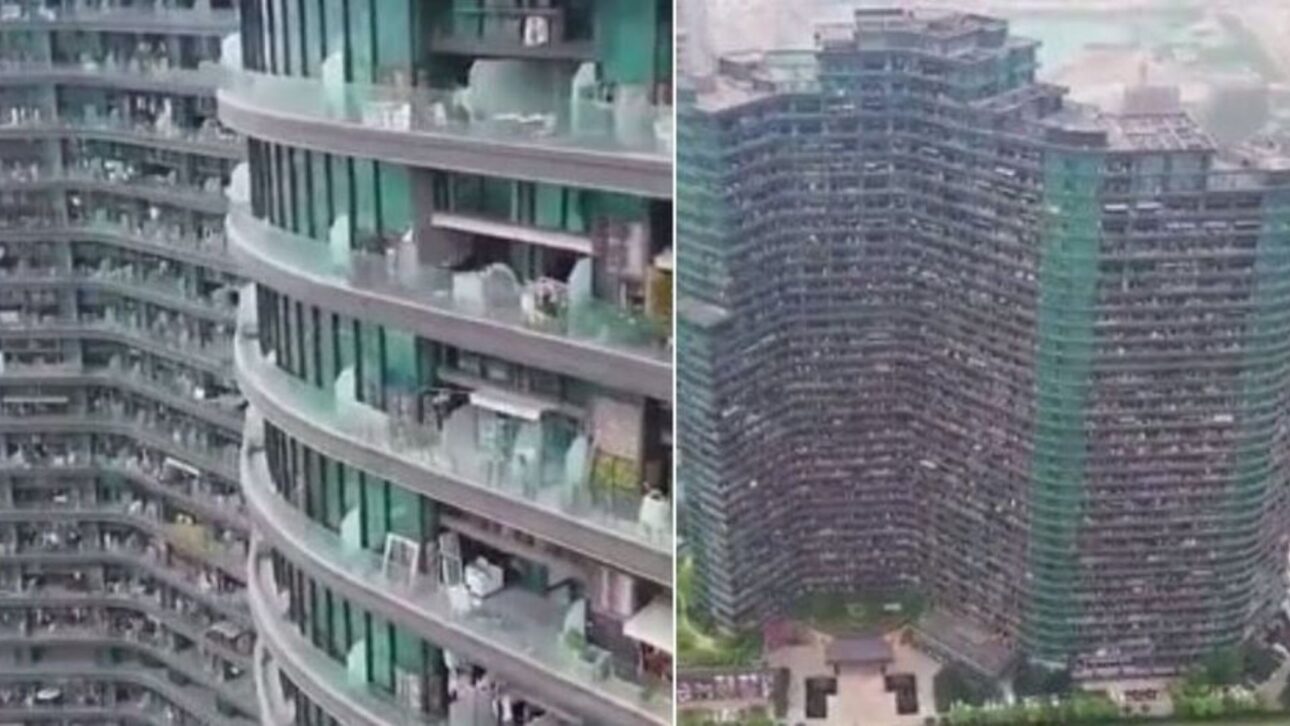
In Hangzhou, China, the Regent Park International Center Houses Approximately 30 Thousand Residents and Offers Within Its Structure Schools, Supermarkets, Medical Clinics, Tea Houses, Parks, and Restaurants.
The Model, Designed to Provide Comprehensive Housing and Service Solutions, Has Transformed the Building into One of the Largest Residential Complexes in the World.
Structure of the Regent Park International Center
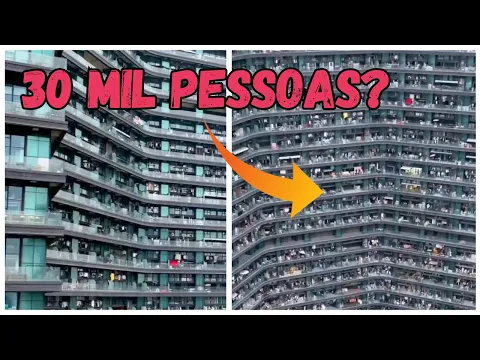
The Building Has 39 Floors, About 5 Thousand Apartments, and Is 206 Meters Tall. Opened in 2013, It Was Built in an “S” Shape, with Straight Lines and Functionalist Inspiration.
-
7-year-old boy acts without hesitation and saves his 1-year-old brother from drowning in the family pool in Texas: the boy’s courage impressed the sheriff and he may now receive an official police commendation.

-
The forgotten Atari stock that seemed like something out of a movie: millions of sealed cartridges were buried underground and were sold for very low prices.

-
Collector adapts forklift electric motor in a Kombi Corujinha pickup, hides 16 batteries under the bed, and makes the Brazilian classic run silently with up to 90 km of range.
-
Goodbye traditional vacuum: Samsung surprises and launches 2-in-1 robot with steam, AI that recognizes floors and stains, self-cleaning station, hot air drying, automatic emptying, water refill, and app control.


The Blocks Are Interconnected by Corridors and Passages That Organize Internal Circulation. Basic Services Are Concentrated on the Lower Floors.
Access to Common Areas Is Done by Biometrics, and Water Distribution Is Controlled by Automated Systems. There Are Specific Lockers for Delivery Storage.
Change of Original Design
The Regent Park International Center Was Initially Planned to Be a Six-Star Hotel.
With the Population Growth and Demand for Housing in Hangzhou, the Proposal Was Modified, and the Building Became a Large-Scale Residential Condominium.
According to Local Real Estate Records, the Adaptation Allowed for the Creation of Thousands of Housing Units, Along with the Installation of Businesses on Commercial Floors.
Cohabitation and Overload
During Peak Occupancy Periods, the Building Reached About 30 Thousand Residents.
This Population Density Generated Overload in Elevators, Corridors, and Common Areas, According to Reports from Real Estate Agents and Records from the Chinese Press.
Commerce and Housing in the Same Space Also Demand Internal Regulations for the Use of Common Areas.
Differences Between the Apartments
On the Upper Floors, the Units Are Larger and Feature Panoramic Views. On the Lower Areas, There Are Properties Divided into Small Units.
According to Local Reports, a 144 m² Apartment Was Transformed into Eight Micro-Apartments, Each with a Compact Kitchen.
There Are Also Records of Lofts Converted into Windowless Studios. This Type of Adaptation Aims to Meet the Demand for Smaller, More Affordable Housing in Densely Populated Urban Areas.
Influence of Social Media
The Regent Park International Center Became Known as the “Building of Celebrities”. The Nickname Arose Due to the Presence of Digital Influencers Who Began Living There and Sharing Images of Their Daily Lives on Social Media.
A Broker Interviewed by the Chinese Press Claimed That “During the Golden Period, This Address Impressed the Entire City.”
The Building Also Started Attracting Curious Visitors Interested in Understanding How a Vertical City Operates Continuously.

Isolation and Standardized Routine
Urbanism Experts Describe the Regent Park International Center as an Example of a “Vertical City” and Point Out That Its Design Ensures Efficiency in Access to Basic Services.
On the Other Hand, Academic Analyses of Housing in High-Density Buildings Indicate That Highly Automated Routines Can Generate More Individualized Lives, with Less Interaction Among Neighbors.
According to Architects Consulted by Local Outlets, the Structure Reinforces Practicality but Tends to Create More Fragmented Cohabitation Experiences.
Laboratory of Vertical Urbanism
Researchers Consider the Regent Park International Center a Case Study on the Limits and Challenges of Large-Scale Urban Density.
The Model Has Logistical Advantages, Such as the Concentration of Services and the Reduction of the Need for Travel.
At the Same Time, Managing Common Space Requires Detailed Rules to Balance Commerce, Housing, and Circulation.
With Over 200 Meters in Height and Thousands of Residents, the Building Continues to Attract Attention as One of the Largest Examples of Housing Verticalization on the Planet. To What Extent Can Structures of This Size Be Replicated in Other Rapidly Growing Cities?





Isso é uma favela xing- ling, trinta mil pessoas morando de forma vertical é muito similar ao morro do Vidigal e nem precisam dos correios para comprar na China pois o local é lá.