






 Portuguese
  Spanish
  3 min of reading
  0 comments


The unprecedented analysis of the Egyptian mummy preserved in Poland revealed a ritual object under the boy’s chest and opened new clues about origin, mummification, identity, and ancient historical context
Preserved in the Archdiocesan Museum of Wrocław, Poland, since 1914, the Egyptian mummy of a boy who lived over 2,000 years ago underwent detailed analysis, published in March 2026, expanding the understanding of mummification techniques.

Study recovers lost clues in the war
Information about the mummy had been lost during the conflicts of World War II. Without these records, researchers sought ways to reconstruct the origin and life of the preserved body.
The new study was published in the scientific journal Digital Applications in Archaeology and Cultural Heritage.
-
In the USA, thousands of people are being paid to wash dishes and clean the house with body cameras, every movement turning into data to train robots to imitate humans, in a new “digital gig” that could redefine the future of domestic work.

-
At 22 years old, a young person from Recife creates an artificial intelligence startup with a team barely over 25, serves giants like Bayer and Ipiranga, earns millions without taking a cent from investors, and transforms a young company into a national AI phenomenon.
-
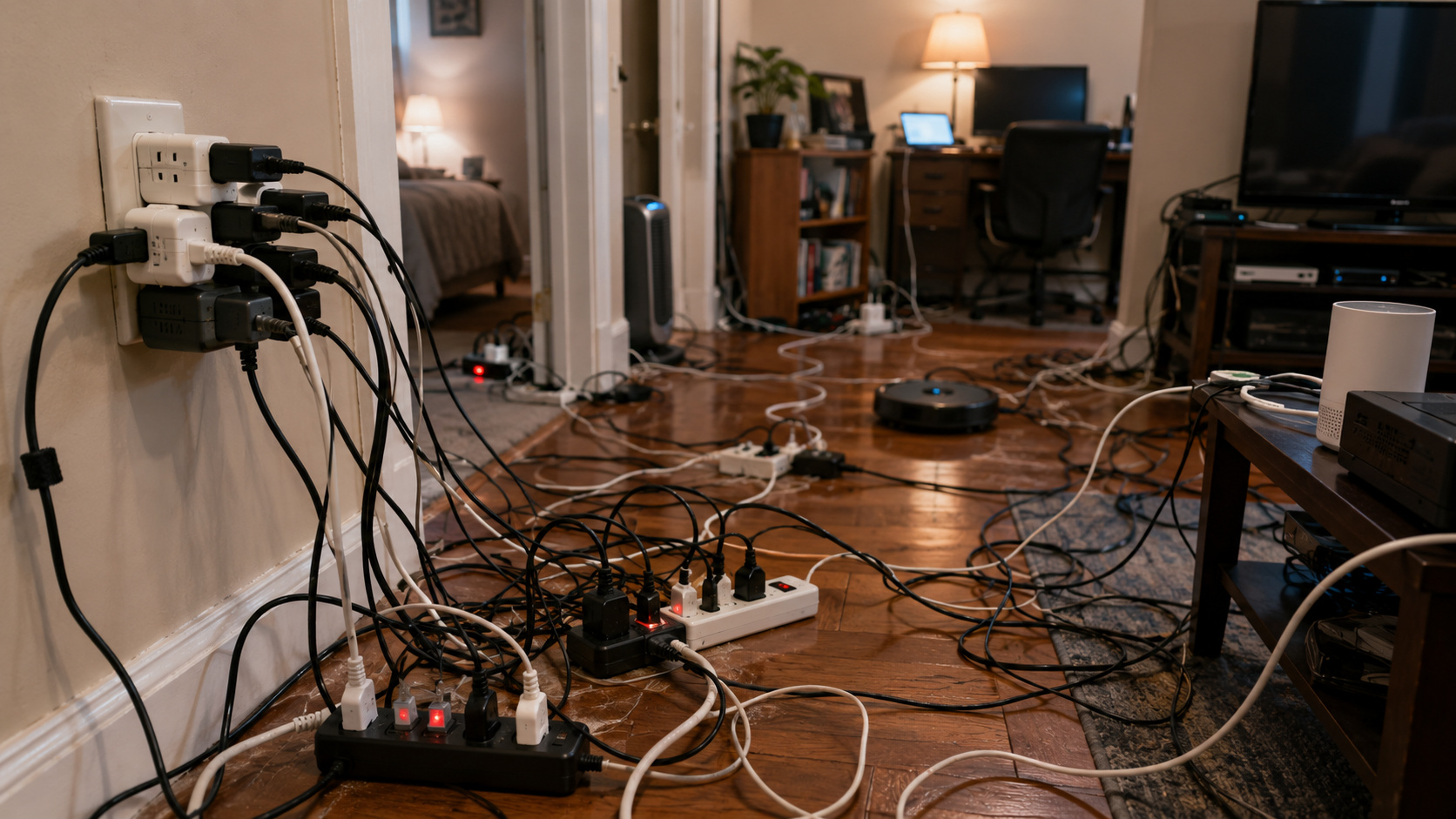
The invisible danger inside the house: plugging too many devices into the same outlet and spreading extensions throughout the rooms can overload the electrical network, silently heat wires, and turn a common habit into one of the leading causes of house fires.

-
Goodbye traditional laundry: Roborock launches washer and dryer with super hydrolysis, microbubbles, 99.99% sterilization, low-temperature drying, automatic detergent, app control, and cycles to remove stains, odors, mites, and bacteria from clothes.




The research conducted the first detailed analysis of the mummy held in the Polish museum since the early 20th century.
Ritual object draws attention in the Egyptian mummy
Among the findings, scientists identified a preserved ritualistic object under the boy’s chest.
The element was hidden and became part of the discoveries that help broaden the understanding of Egyptian mummification practices.
An X-ray revealed the presence of another object in the chest area. Agata Kubala, from the University of Wrocław and one of the authors of the study, stated that it could be a papyrus with the boy’s name.

Exams indicate age, sex, and embalming
To obtain the new information, the team used X-ray exams, computed tomography, and studies of the preserved soft tissues.
The methods allowed estimating age, sex, and identifying signs of diseases without causing damage to the body.
The research indicated that the mummy belonged to a boy who died around the age of eight. The embalming alterations included the removal of the brain through the nasal cavity and most of the internal organs.
The researchers also observed that the head and neck are partially uncovered and dark, with white crusts of salt. The child’s face is visible because most of the bandages have been removed.
There is still a noticeable layer of dark brown embalming substance on the head and neck, reinforcing the bandages.
The team is working with the possibility that the child’s face may have been covered by a mask.
Probable origin and cause of death are still under study
As the body shows no physical trauma or clear signs of disease, the cause of death remains uncertain.
Nonetheless, the analyses have helped estimate that the boy likely came from a middle-class family during the Ptolemaic Period.
This period spans approximately 332 to 30 BC. The data obtained so far supports the hypothesis that the young boy originated from the Aswan region, in the southern part of Egyptian territory, along the banks of the Nile River.
Research continues with caution
The scientists reported that the work is not yet finished. New studies are being conducted on the iconography of the cartonnage that surrounds the body to gather more evidence about the boy’s origin.
The team also needs to act carefully when examining each detail. The materials analyzed have thousands of years of history and remain extremely vulnerable to damage during handling and scientific investigation.
With information from Revista Galileu.





Be the first to react!