






 Portuguese
  Spanish


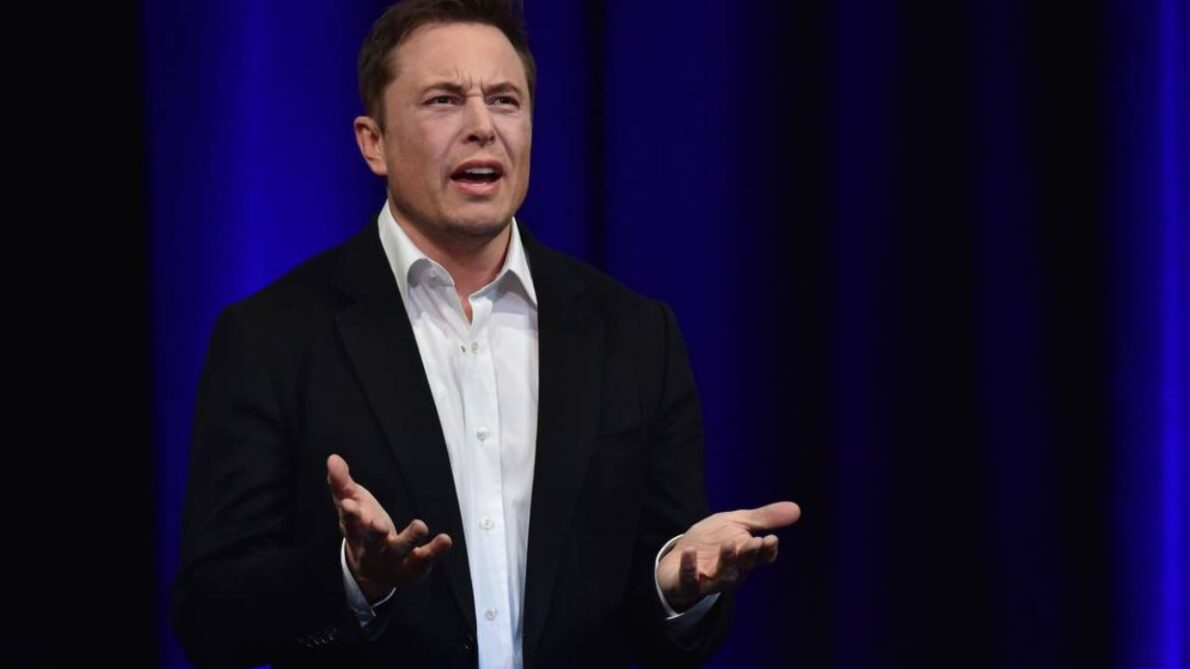

Elon Musk Is Ordered To Pay Over R$ 3 Million To Former Twitter Employee For Dismissal And Extremely Radical Request.
Elon Musk, the eccentric billionaire behind some of the largest technological innovations today, was ordered by the courts to pay over R$ 3 million to a former senior Twitter employee after a mission shrouded in controversy. The case, which revolves around an extreme request made by Musk, sheds light on the costs within the company since its acquisition by the magnate.
The situation began in October 2022, when Elon Musk purchased Twitter and, with his well-known direct and bold style, rebranded the social network as “X.” Former employee Gary Rooney, then director of source-to-pay, was one of many colleagues who received an email from Musk, where the billionaire laid out his ambitions for the company’s new phase.
Elon Musk Made His Vision Clear
In the email, Elon Musk made it clear that in order to transform Twitter into an innovative platform, all employees would need to adopt an “extremely hardcore” stance. He further detailed that this involved long hours of high-intensity work, stating that only “exceptional performance” would be acceptable.
-
Court Upholds Just Cause Dismissal of Employee for Posting Social Media Videos During Work Hours

-
Dismissing a retired worker or one eligible for retirement constitutes ageism and creates a duty to compensate: a unanimous decision by the TRT mandates reinstatement to employment, payment of back wages, and upholds compensation of R$ 15,000 for discrimination.

-
Work less and produce more? Nobel Prize in Economics explains why shorter workdays can increase productivity

-
Unions are growing again in Brazil after more than a decade, but they face an urgent challenge to win back digital workers and maintain relevance.



A message that requested an immediate commitment from employees contained a link for those who wanted to stay in the “new Twitter” to click “yes.” In contrast, Musk offered three months of severance for those who did not wish to follow this new directive.
Dismissal
Rooney, however, did not see the email in time and, consequently, did not click “yes.” Three days later, he received a new message informing him that his “resignation decision” had been acknowledged and that his access to Twitter’s systems would be blocked, meaning dismissal. The mission caught Rooney by surprise, as he had been with the company since 2013 and had no intention of leaving his position.
Feeling wronged, Rooney contacted the company to explain the situation, but his attempts to resolve the misunderstanding internally were fruitless. With no other options, he decided to take the case to court.
Unjustly Dismissed
Barry Kenny, Rooney’s attorney, firmly argued that his client had not resigned but was instead unjustly dismissed. The lawyer highlighted Rooney’s excellent professional history and his significant contributions to the company over the years.
“The clear and unequivocal discovery that my client did not resign but was unjustly dismissed reflects the seriousness and gravity of this case,” Kenny stated. “It is unacceptable for Mr. Musk, or any large company, to treat employees this way in this country.”
In the end, the court specifically acknowledged Rooney’s arguments and ordered Elon Musk to pay a record compensation of 550,000 euros, exceeding R$ 3 million. The case, in addition to shaking the billionaire’s confidence, raises questions about how large corporations should treat their employees, especially in contexts of radical changes and extreme demands.









1