Portuguese
  Spanish


New rule places psychosocial risks at the center of workplace safety and reinforces prevention within companies
A major labor impact change came into effect this Tuesday, May 26, 2026, drawing the attention of companies, workers, and regulatory bodies.
The update of NR-1 expands employers’ responsibility for factors that can lead to employees’ mental illness. Thus, situations such as abusive goals, exhausting work hours, moral harassment, overload, and failures in work organization now require identification, prevention, and management.
The rule changes how mental health is addressed in the professional environment. Now, the topic is no longer seen solely as an individual responsibility of the worker and becomes part of the actual working conditions.
-
Court Upholds Just Cause Dismissal of Employee for Posting Social Media Videos During Work Hours

-
Dismissing a retired worker or one eligible for retirement constitutes ageism and creates a duty to compensate: a unanimous decision by the TRT mandates reinstatement to employment, payment of back wages, and upholds compensation of R$ 15,000 for discrimination.

-
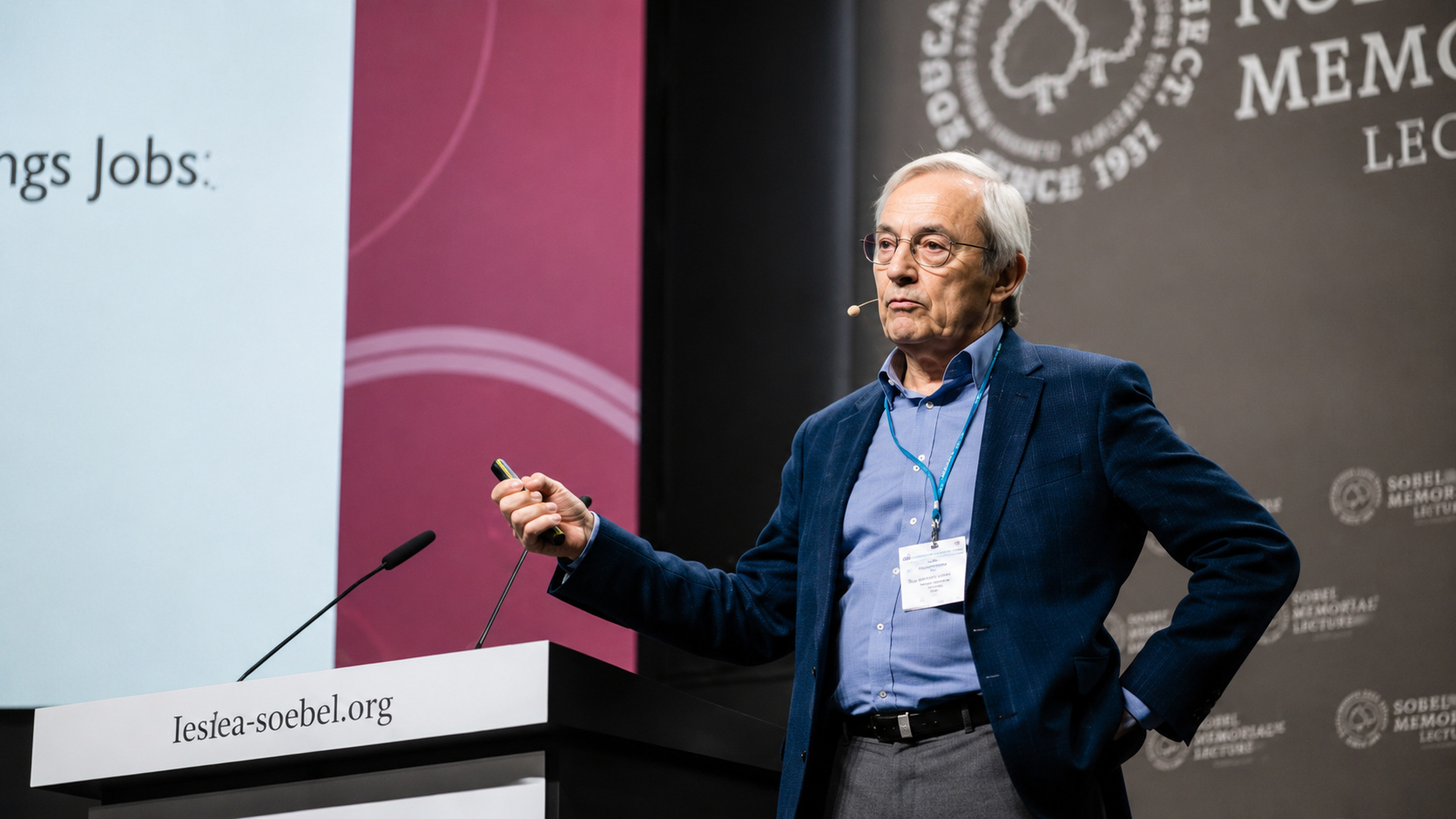
Work less and produce more? Nobel Prize in Economics explains why shorter workdays can increase productivity

-
Unions are growing again in Brazil after more than a decade, but they face an urgent challenge to win back digital workers and maintain relevance.



New rule reinforces prevention within companies
The update of NR-1 prioritizes prevention and, therefore, requires concrete measures to reduce risk factors.
After all, companies will need to observe situations that may directly affect employees’ emotional health. Among them are excessive pressure, unattainable goals, overload, long work hours, and harassment.
The rule reinforces mechanisms for listening to workers. It also encourages employee participation in goal setting and increases oversight of companies with many absences due to mental disorders.
Mental health becomes part of workplace safety
According to experts interviewed by g1, one of the main impacts of the update is to prevent workers from becoming ill due to mental health issues.
Brazil recorded a record number of absences due to mental disorders for two consecutive years. This data underscores the importance of addressing the issue as part of occupational risk management.
Another survey, conducted by the International Labour Organization in partnership with the Public Labor Ministry, based on INSS data, showed that more than two thousand professions recorded absences due to mental disorders in the country.
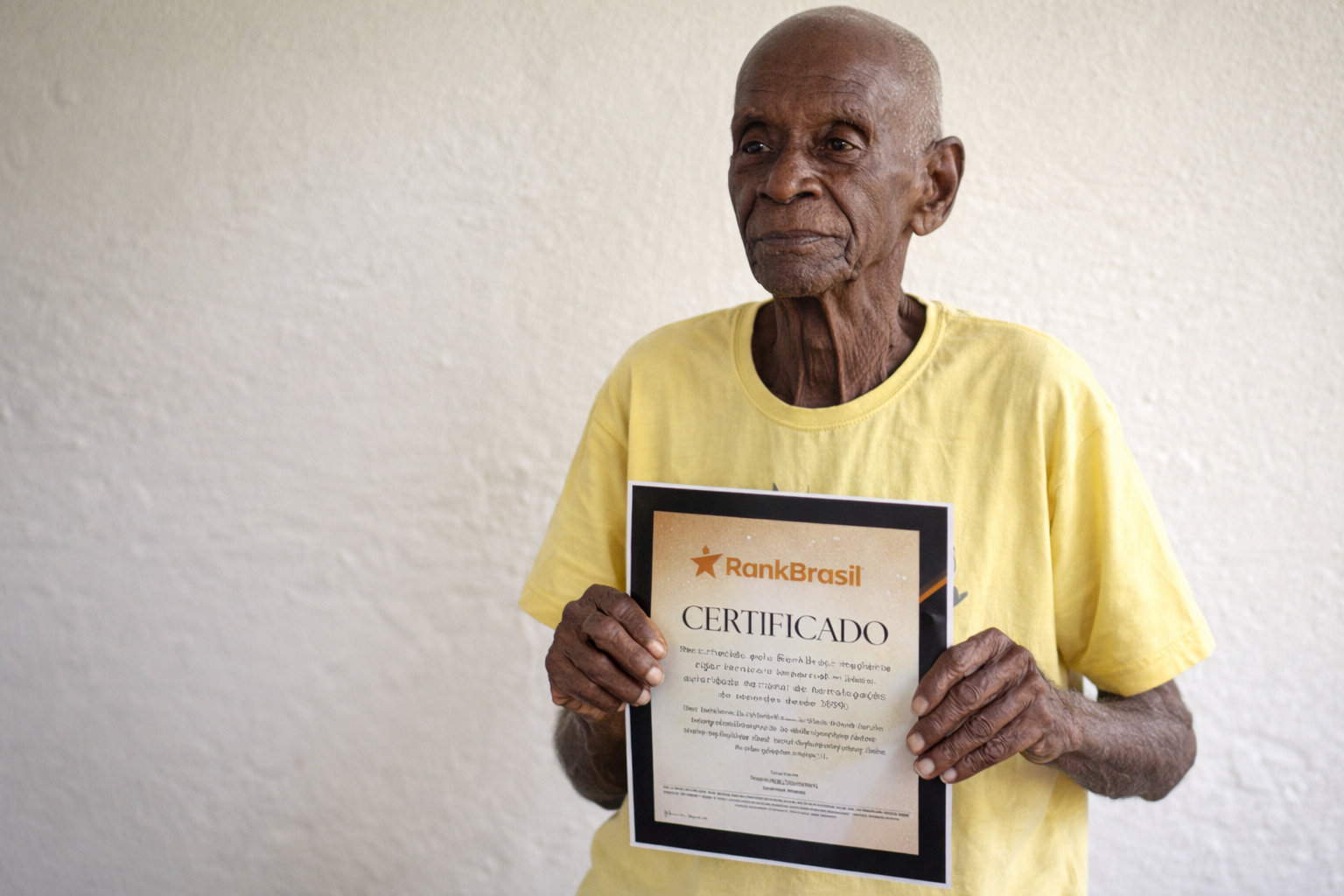
Most Affected Professions Reveal Daily Pressure
At the top of the list are occupations such as retail salesperson, cleaner, and office assistant.
These workers serve the public, maintain essential services, and support an important part of urban routine. Therefore, daily pressure can increase the risk of illness.
Furthermore, experts point out that the most affected professions have factors in common. Among them are fragile links, pressure for targets, long working hours, and greater exposure to risky situations.
In this scenario, nursing technicians, drivers, and security guards also appear among vulnerable groups. After all, these activities can involve urban violence, traumatic situations, and strong emotional strain.
Inspection Should Gain More Weight
The update also strengthens the fight against moral harassment, sexual harassment, and other forms of workplace violence.
Companies with high rates of absences due to mental disorders may receive more attention from regulatory bodies. Thus, prevention takes on a central role before illness becomes recurrent.
With the new NR-1, the expectation is that absences will gradually decrease. However, this result will depend on the practical application of the norm within companies.
Direct Impact on the Worker
In practice, the worker gains more support in environments considered harmful.
Situations previously treated as individual problems are now also analyzed by how work is organized.
Thus, NR-1 creates a new benchmark for mental health in the professional environment. Now, companies need to view targets, working hours, harassment, and overload as real risks.
Can the new rule transform the relationship between mental health and work in Brazil?