






 Portuguese
  Spanish
  2 min of reading
  0 comments


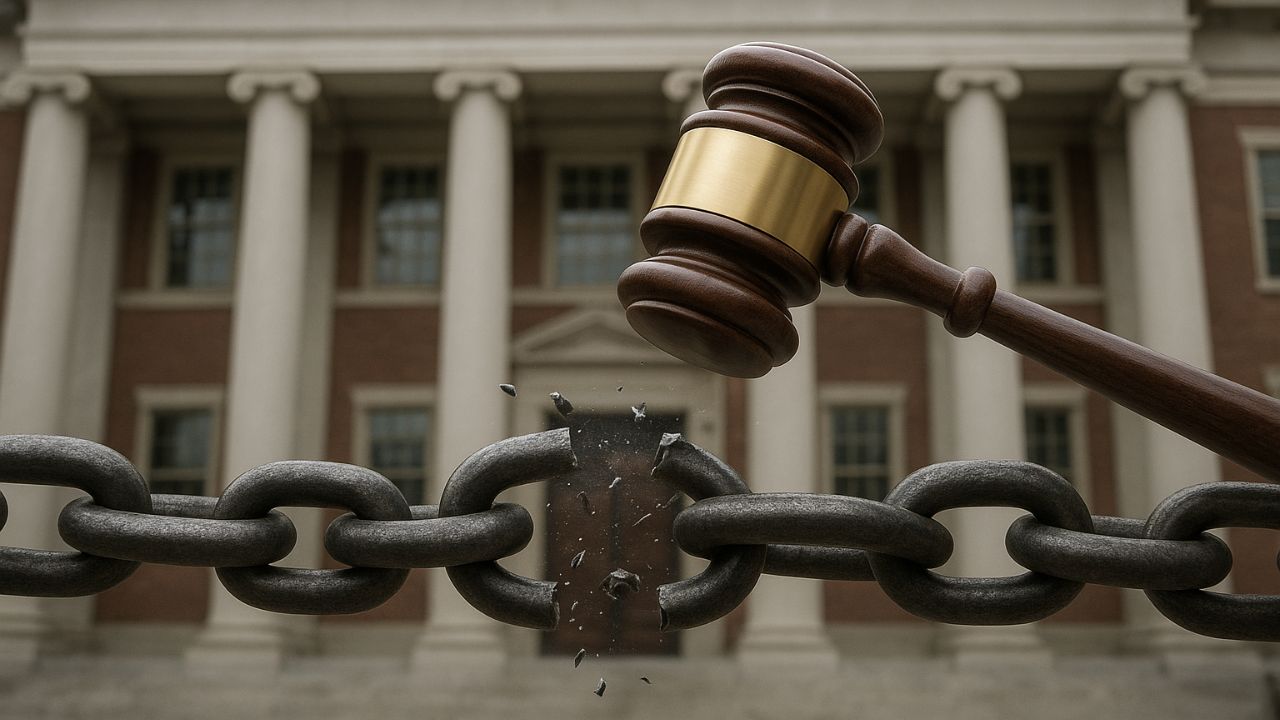
Understand The Decision That Classified The Cuts As “Illegal Retaliation” And Marked A Turning Point In The Dispute Between The White House And The Prestigious University.
A court decision in Boston represents a significant victory for Harvard University. On Wednesday, a federal judge ordered the reversal of cuts of over US$ 2.6 billion in research grants that had been imposed by the Trump administration.
Court Decision: An Act of Illegal Retaliation
The judge responsible for the ruling was U.S. District Judge Allison Burroughs. In her decision, she found that the cuts were, in fact, an illegal retaliation by the government. The reason was stated to be Harvard’s refusal to comply with the White House’s demands to change its policies and governance model.
The Billion-Dollar Impact on Harvard Research
The measure overturns a funding freeze that had turned into permanent cuts. If upheld, the decision promises to reactivate Harvard’s extensive research operations. This means that hundreds of projects that were stalled due to a lack of federal funding may be restarted.
-
Brazilian Joins Homeownership Consortium, Faces Decade of Dual Payments Totaling $141,000, Surpassing Traditional Mortgage

-
Land Rover to Halt Production in July, Putting 371 Jobs at Risk, as Chinese Automaker Negotiates to Convert Factory to 100,000 Vehicles Annually by 2027

-
Mexican Pest Threatens U.S. Cattle Herds at Historic Lows, Potentially Boosting Brazilian Beef Exports as Burger Prices Soar

-
Brazilian Freight Bill Progresses in Congress with $5,000 Minimum Wage, 70% Advance Payment, and Fines Up to $1 Million, as Agriculture and Industry Warn of Rising Costs and Legal Uncertainty


The Escalation of The Conflict Between The Government And The University
The dispute between Harvard and the Trump administration went beyond research funding. The government also attempted to block the university from receiving international students. Another line of attack included the threat to revoke the institution’s tax-exempt status.
The Origin of The Dispute: A Letter With Harsh Demands
According to the lawsuit filed by Harvard, the Trump administration conducted a retaliatory campaign. Everything intensified after the university denied the demands of a federal task force against antisemitism. A letter dated April 11 called for changes regarding campus protests, academic environment, and admission processes, claiming that the university had become a focal point of liberalism and tolerated antisemitic harassment.
Harvard’s Defense of University Autonomy
In response, the president of Harvard, Alan Garber, committed to combating antisemitism. However, he defended the institution’s independence, stating that no government “should dictate what private universities may teach, who they may admit and hire, and which areas of study and research they may pursue”. Even with the legal dispute, negotiations over a possible agreement to normalize access to federal funding were discussed.





-

-

4 people reacted to this.