Portuguese
  Spanish





Embraer Turns 56 in 2025 as One of the World’s Largest Aircraft Manufacturers. From Regional to Military Aviation, Its Models Have Earned Space and Respect Worldwide. Throughout This Journey, Several Aircraft Have Stood Out and Helped Write the History of the Brazilian Company
On August 19, Embraer will complete 56 years. Founded in 1969, the Brazilian manufacturer has established itself as one of the largest companies in the aerospace sector.
Currently, it holds the third position worldwide among aircraft manufacturers, behind only Boeing and Airbus. More than just numbers, Embraer has become a symbol of competence and national pride.
The company generates approximately 18,000 direct jobs. Additionally, it maintains a surplus balance and joint ventures spread across the globe.
-
OnePlus N6 Smartphone to Launch in India with 8,000mAh Battery and 45W SuperVOOC Charging, Lasting Up to Three Days

-
Scientists Plan to Release Air Bubbles Underwater to Protect Antarctica’s “Doomsday Glacier” from Melting

-
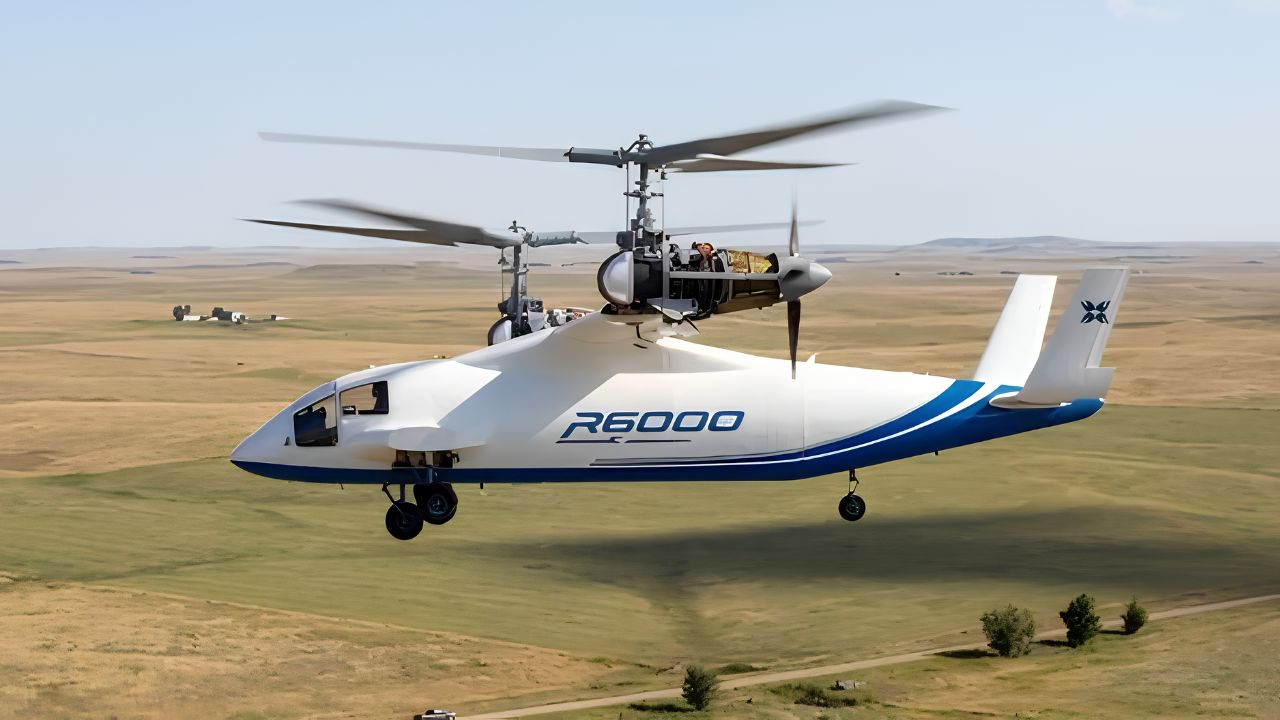
Chinese R6000 Drone Combines Airplane and Helicopter Features, Carries Up to 12 People for Multiple Missions
-
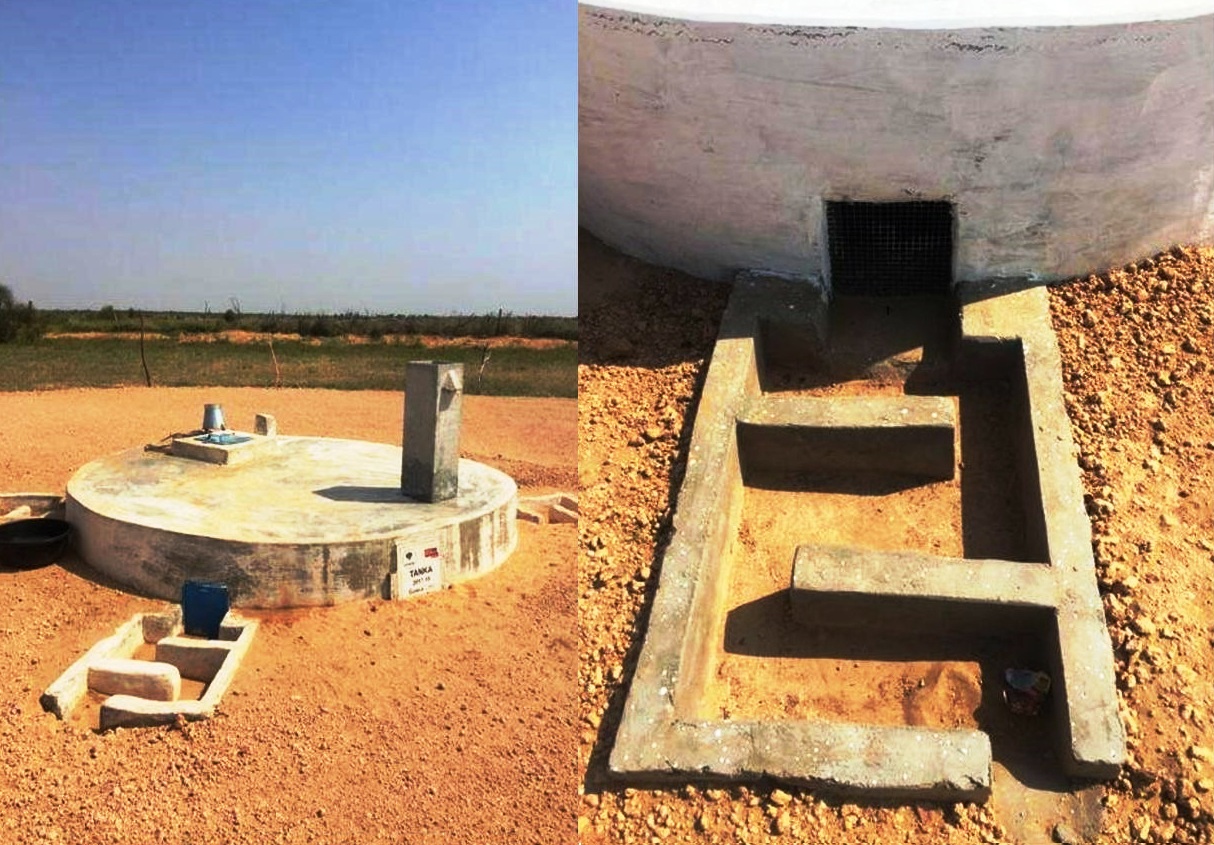
In the World’s Most Densely Populated Desert, Families Dig Funnel-Shaped Underground Cisterns to Capture Rare Rainfall and Store Drinking Water for Up to Eight Months



Products That Conquered the World
The most important factor for this success is the quality of the aircraft.
Over the past five decades, the company has designed commercial, military, and executive models that have become references in technology and efficiency. Its aircraft compete in a market dominated by giants.
Even so, they manage to win customers across various continents. The episode with Boeing, which backed out of a merger after the 737 MAX crisis, highlighted Embraer’s weight in the global scenario.
To understand this relevance, it is worth recalling five aircraft that marked the manufacturer’s history.
Embraer Legacy 600
Launched in 2001, the Legacy 600 was born from the ERJ-145 project.
As a derivative, it brought maturity right from the start and quickly gained customers, especially in the United States and Canada.
The executive jet accommodates up to 14 passengers in high levels of luxury and comfort. Its elongated and elegant fuselage has made it a constant presence at aviation fairs.
Its maximum speed is about Mach 0.80 (~843–850 km/h) and cruising speed is Mach 0.78 (~829 km/h)
Embraer C-390 Millennium

The C-390 Millennium is the largest aircraft ever produced by Embraer and also the largest manufactured in Latin America.
Developed specifically to replace the veteran C-130 Hercules in the Brazilian Armed Forces, it consumed approximately US$ 2 billion in investments.
The cargo plane is versatile and can carry over 23 tons of cargo, in addition to performing in-flight refueling.
Its fly-by-wire technology ensures greater precision and immediate response to the pilot’s command.
The aircraft reaches 988 km/h and has a range of 2,820 kilometers at maximum takeoff weight. Since the beginning of its operation, the model has become a central piece in modernizing the Brazilian military fleet.
Embraer E-Jets
In commercial aviation, Embraer has gained immense prominence with its E-Jets. This family of aircraft is ideal for regional and medium routes.
In Brazil, Azul Linhas Aéreas is the main operator, with a strong presence on routes such as the Rio-São Paulo shuttle.
The E-Jets can transport between 80 and 144 passengers. The newest model, the E-195 E2, launched in 2013 and in operation since 2018, is considered more economical and quieter.
In addition to the E-195, the line includes the E-175 and E-190, always adapted for different demands.
Embraer EMB-312 Tucano
Perhaps one of the most famous outside the commercial sector, the EMB-312 Tucano gained visibility in presentations by the Smoke Squadron.
With a turboprop engine, the military aircraft was developed for training war crews and for light attack missions.
With a maximum speed of 448 km/h and a range of 2,055 kilometers, it has become an efficient platform for various countries.
In Brazil, it was replaced in 1996 by the Super Tucano EMB-314, still used today, including in new versions launched in 2017.
Embraer EMB-110 Bandeirante
Launched in 1971, the Bandeirante is considered a milestone in the Brazilian aerospace industry. Designed for up to 21 passengers, it had both civil and military use.
Its great versatility allowed Embraer to develop 18 different variants, adapted to various needs.
The Bandeirante was essential for the growth of companies like TAM, which started as Táxi Aéreo Marília.
Produced until 1991, it continues to operate in some regional companies in Brazil. With a maximum speed of 426 km/h and a range of 1,900 kilometers, it is still remembered as one of the most balanced aircraft from Embraer.
Legacy of Innovation
Embraer’s trajectory shows how Brazil can stand out in a highly complex technological sector.
Its aircraft not only fulfill essential roles in civil and military transport but also symbolize the ability to compete on equal terms with global giants.
Each model carries an important part of this history. From military cargo planes to the luxury of executive jets, all showcase the combination of advanced engineering and strategic vision.