






 Portuguese
  Spanish
  6 min of reading
  0 comments


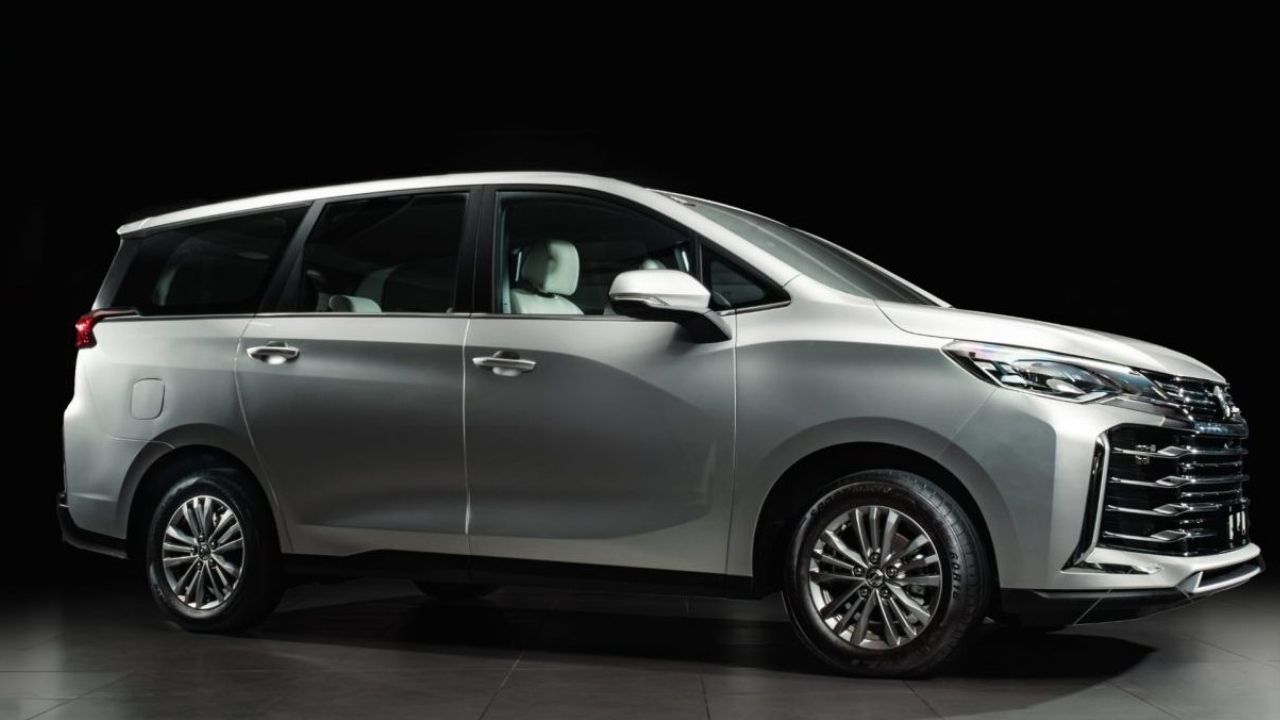
The MG G50 Plus is a 7 or 8-seater MPV sold in the Philippines with a 1.5 turbo engine of 181 PS, manual transmission or 7-speed DCT, leather captain seats, and a 12.3-inch multimedia center, a whole family that the Philippines has and the Brazilian market does not yet know for a price equivalent to R$ 86 thousand in direct conversion.
The MG is already a known brand in Brazil, but the catalog that the manufacturer offers to the Brazilian market is only a fraction of what it sells in other Asian countries. In the Philippines, for example, consumers have access to a model that would be a sales bomb in the national market: the MG G50 Plus, a minivan with an SUV look, turbocharged engine, dual-clutch transmission, and capacity for seven or eight passengers, all for a price that, directly converted from the Philippine peso to the real, is around R$ 86 thousand, before any import tax. For comparison, the Chevrolet Spin, the Citroën Aircross, and the Caoa Chery Tiggo 8 cost more than that in Brazil even in the entry-level versions.
The model is available in the Philippines in three variants: STD MT, COM DCT, and LUX DCT, with prices ranging from approximately PHP 1,048,888 to PHP 1,288,888, values that, at the current exchange rate of about R$ 0.08 per Philippine peso, represent between R$ 86 thousand and R$ 105 thousand in gross conversion. Of course, these numbers do not include international shipping, homologation fees, ICMS, IPI, and all other taxes that would make the final price rise significantly in Brazil, but the comparison exercise reveals how much the national market lags behind when it comes to a variety of affordable MPVs with current technology.
What is the MG G50 Plus and why it would be relevant in Brazil

The MG G50 Plus is classified as an MPV, Multi-Purpose Vehicle, a category that became famous in Brazil with the Volkswagen Kombi and today survives timidly with models like the Chevrolet Spin. The model’s proposal is to deliver real space for large families, with a second row in captain seat configuration, those individual seats with central armrests that usually appear in premium minivans, and a complete third row for two more passengers.
-
The Ford Ranger plug-in hybrid, the same rugged pickup that handles 800 mm of water, becomes a plug-in pickup with a flex-fuel ethanol engine and is chosen as the International Pickup of 2026.

-
New 0km electric car costs less than R$ 50,000 with an 18 hp engine, carries up to 6 people, travels over 100 km per charge, recharges in a regular outlet, and surprises by dispensing with airbags and limiting speed to 50 km/h in Mexico.
-
Pressure from residents forces a U.S. energy utility to suspend negotiations with a data center that could require 500 megawatts by 2032 and demand new lines, reinforcements in the power grid, and large infrastructure investments.

-
New Honda HooRide 125 scooter debuts in China with ADV styling, 17-inch wheels, TFT panel, Smart Key, and fuel consumption of up to 47.17 km/l, aiming to resemble an urban X-ADV with a 125 engine, CVT transmission, and an economical proposal for cities.


What sets the MG G50 Plus apart from most MPVs known in Brazil is the mechanical package. Instead of the naturally aspirated engine and conventional automatic transmission that equips most family vans available in the country, the G50 Plus comes with a 1.5 turbo engine with 181 PS and 285 Nm of torque, coupled with a 7-speed wet dual-clutch transmission, the type of transmission that usually appears in sporty SUVs, not family minivans. The entry-level version still has a 6-speed manual transmission for those who prefer direct control.
1.5 Turbo Engine: Numbers That Shame Larger Competitors

The 181 PS of the MG G50 Plus’s 1.5 turbo engine are not just numbers on paper. For reference, the Chevrolet Spin in the most powerful version available in Brazil delivers 116 hp with a 1.8 naturally aspirated engine, a difference of more than 60 horsepower in favor of the MG, with a smaller and more modern engine. The Citroën Aircross with a 1.6 turbo engine reaches 173 hp in the top version, still below the 181 PS of the G50 Plus.
The 285 Nm torque also puts the MG’s engine in a comfortable position for a vehicle that needs to move up to eight people. High torque at low revs is exactly what makes a difference in a family’s daily life, in starts with a full car, in climbs with luggage, or when it’s necessary to overtake on the road without waiting for the engine to gain revs. The 7-speed DCT transmission amplifies this advantage by shifting gears more quickly and efficiently than a conventional torque automatic.
Captain Seats, 12.3″ Screen, and What Brazilians Would Pay for It
The equipment list of the LUX DCT version of the MG G50 Plus is the type of specification that in Brazil only appears in SUVs priced above R$ 150,000. Leather captain seat in the second row, with a central console and individual armrest, 17-inch alloy wheels, full LED headlights, parking sensors, cruise control, and a 12.3-inch multimedia center with Apple CarPlay and Android Auto make up a package that most MPVs available in the Brazilian market simply do not offer in this price range.
The five-year or 100,000 km warranty that MG offers to the Filipino buyer is another point that deserves attention. In Brazil, most automakers offer a three-year warranty, and extending this period to five years is a strong commercial argument that the brand already uses in other markets to win over consumers who previously distrusted Chinese brands. For a family that will use the car daily with seven or eight people on board, the peace of mind of an extended warranty has a concrete weight in the purchase decision.
Why MG does not bring the G50 Plus to Brazil


The short answer is: taxation and market volume. Brazil has one of the most complex tax structures on imported vehicles in the world, and an Asian-origin MPV without local production faces a fiscal barrier that can double or triple the price to the final consumer. MG already manufactures in Brazil, its factory in Caçapava, São Paulo, produces the MG3, the ZS, and the MG5, but the G50 Plus is not in this local production portfolio and, without it, commercial viability is compromised.
There is also a strategic component of market positioning. MG in Brazil focuses on SUVs and sedans, categories with proven appeal to the national audience. The MPV is a segment that the Brazilian market has never embraced with the same enthusiasm as the Asian market, the Kombi was a cultural exception, not a sustained market trend. Bringing the G50 Plus would require a communication and consumer education effort that the automaker may not deem a priority at this time, even with the right product on the shelf.
What Brazilians miss by not having access to the G50 Plus
Families with more than five members in Brazil live a permanent dilemma: either they buy a double-cab pickup to have space, or they ride in two cars, or they accept the limitations of a five-seat SUV. The MPV options available in the national market are scarce, technically outdated, or too expensive for what they deliver.
The MG G50 Plus represents exactly what is missing in this equation: a modern, powerful, well-equipped, and affordable van, designed for real families with real space needs. The fact that it exists, is in production, has a competitive price, and is from a brand that already operates in Brazil makes the absence of the model even more felt.
If the taxation and the manufacturer’s strategy changed, the G50 Plus would be a natural candidate to fill a space that the Brazilian market has had for years, and that the competition has not yet managed to occupy satisfactorily.
Would you buy an MG G50 Plus if it were launched in Brazil at a competitive price? What is missing in the national market for the family MPV category to take off? Leave your opinion in the comments, and tag that big family that keeps complaining that the car doesn’t have space for everyone.


Be the first to react!