






 Portuguese
  Spanish


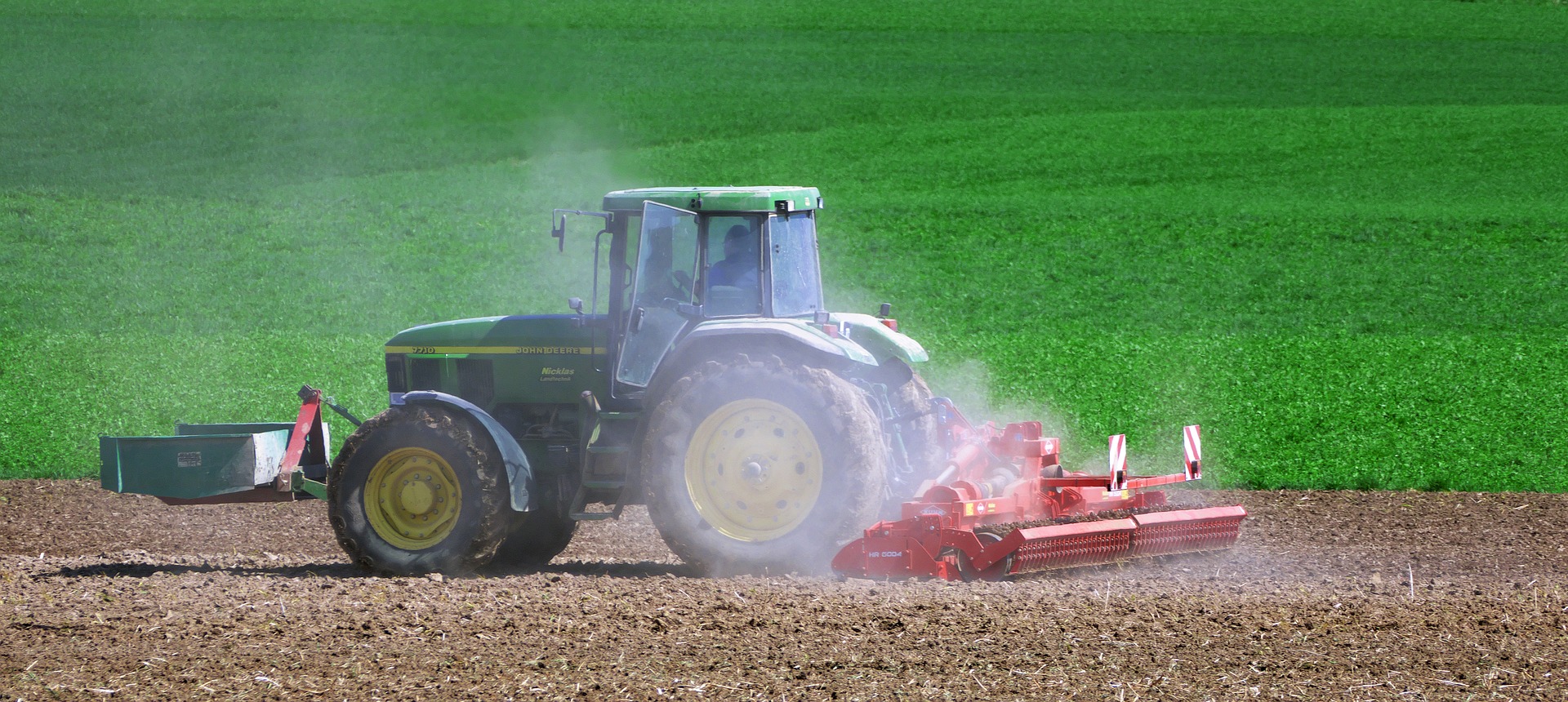

Agricultural Machinery Sales Soared Over the Last Few Months, Even with BNDES Credit Lines Becoming Increasingly Difficult
Despite the economic and political crisis in Brazil, the agricultural machinery market could not leave companies and professionals in the sector any happier. The scarcity of credit lines from the BNDES, which has occurred since November of last year, did not prevent the market from continuing to rise and having excellent prospects for 2021. However, despite initially good numbers, there is a concern about investments for potential job losses in 2021/22.
Luís Felli, president of AGCO South America, stated in a report to Estadão that he believes that by March, the agricultural machinery market will have sold 20% more tractors and 70% more harvesters. In the Agricultural Machinery Chamber of Abimaq, the increase in associated sales was 55%. The 20/21 harvest was a record, generating great optimism for the upcoming crop. Additionally, the good prices achieved by producers in sales warmed the market, highlighted Cristiano Correia, marketing director at John Deere.
Jobs May Be at Risk if the Government Does Not Increase Subsidies
In a text published on Canal Rural, Pedro Estevão, president of the Brazilian Association of Machinery and Equipment Industries (Abimaq), lamented that the government is cutting funding for agricultural credit. According to him, if this continues, credit will become much more expensive, causing farmers to stop investing, leading to layoffs and harming jobs in such an important sector for the economy.
-
At 14 years old, she worked in a factory in Hong Kong, studied economics abroad, and then entered the Chinese real estate market, which helped change the landscape of Beijing.

-
While NATO secured more than $10 billion in missiles and space surveillance at a single forum, Brazil still spends 1.1% of its GDP on defense and is stalling its own anti-aircraft system.

-
Producer receives news and had to cull almost the entire herd, bounced back with the help of compensation, and is now producing 450 liters of milk per day in SC.

-
Corn ethanol attracts R$ 23 billion in 21 new plants and prepares for a nearly 50% jump in Brazilian production by 2027, even with high interest rates.


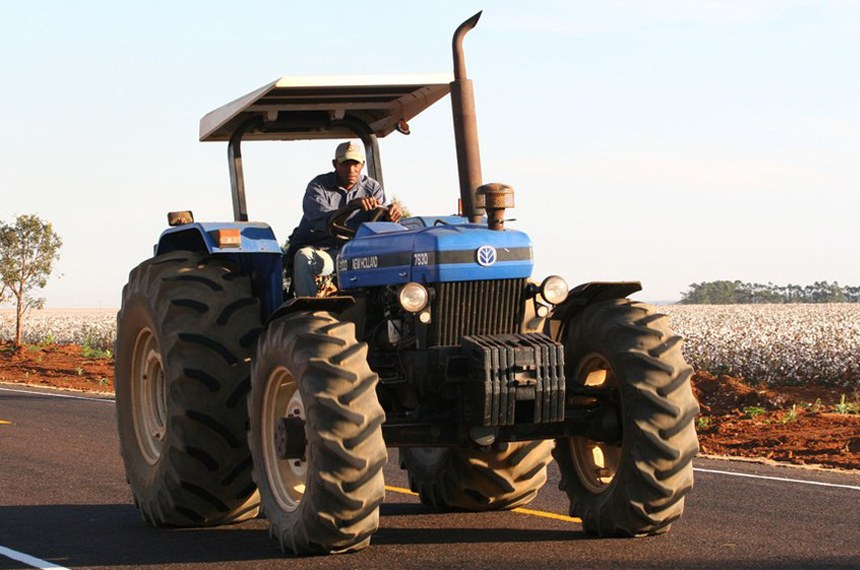
The sector is awaiting the 2021/22 Safra Plan, and believes that the line will have more than the R$ 8 billion from 2020/21. According to Pedro Estevão Bastos, the market needs R$ 20 billion. The agriculture sector has been investing a lot of money during this pandemic, generating many jobs and helping the Brazilian GDP to avoid a more worrying situation. With fewer resources for expenses, farmers have to use their own capital to invest, leaving this money unallocated to other areas.
Abimaq argues that it is necessary to change the Annual Budget Law (LOA 2021), not to mention important reforms for the sector, such as tax and administrative reforms. These actions would give the government more flexibility to release credit for the sector.
BNDES Announces New Rural Credit Modality
On April 8, Tereza Cristina, Minister of Agriculture, Livestock and Supply, and Gustavo Montezano, president of the BNDES, announced a new way to support small farmers through guaranteed agribusiness receivables credit. The idea is to encourage private credit for small farmers.








