






 Portuguese
  Spanish


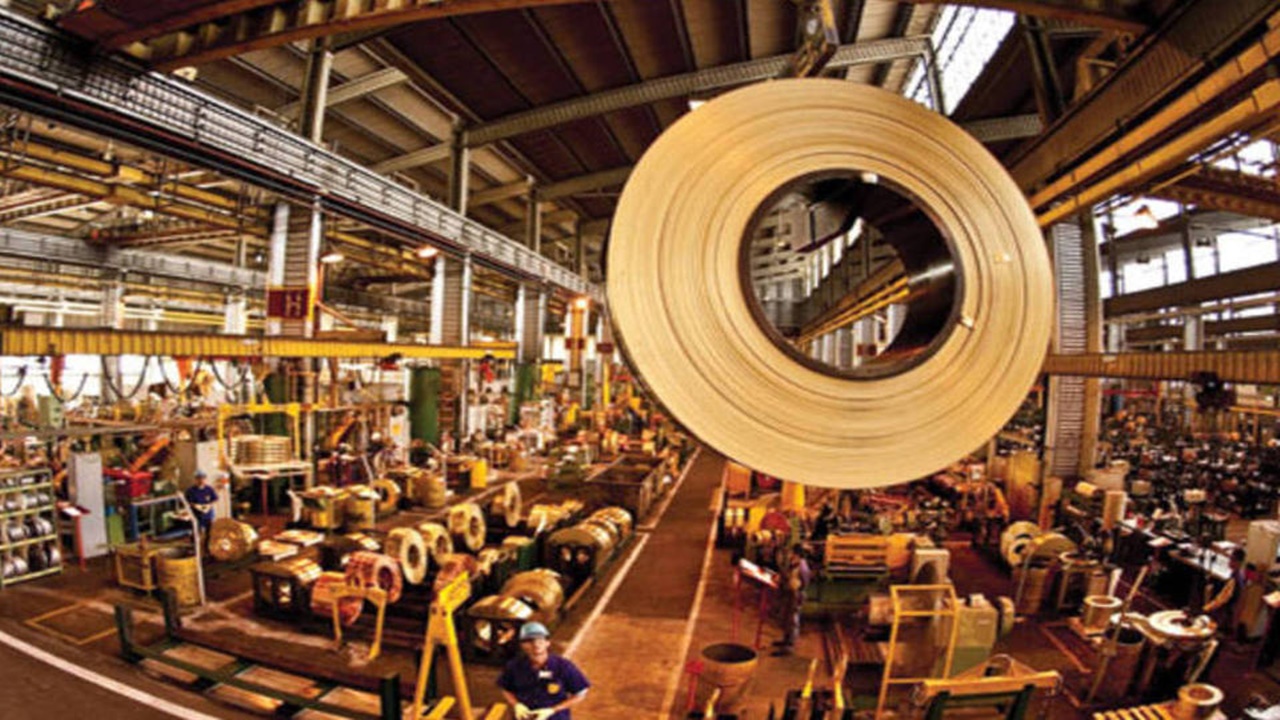

Not Only The Oil Industry Was Affected By The Steel Shortage, After The Increase In November, Car Factories May Stop Due To Lack Of Inputs
After the steel shortage impacted the oil industry, vehicle production is about to be interrupted in Brazil due to lack of inputs, especially steel. According to Luiz Carlos Moraes, president of Anfavea (the automakers’ association), the risk is immediate. Looking for a job? UFRJ Offers 500 Job Opportunities, Internships, and Trainee Positions For Engineers Until Thursday (10/12)
Read Also
- Production Assistant, Technician, Welder and Many More Called For Positions at The Oleoplan Group Biodiesel Plant
- URGENT JOBS! World Leader in Maritime and Offshore Vessel Management V.Ships Is Hiring Mariners
- URGENT Job in Macaé for Paint Inspector Announced by Techocean; Embark 03-01-21
- 333 Professionals Called This Afternoon (07/12) For Offshore Job Positions With More Hiring Expected At The Beginning Of 2021
“The situation is becoming more concerning, the risk of a shutdown in December is very high due to the lack of inputs, especially steel”, said the executive during the presentation of the sector’s data in November. There is also a shortage of tires and thermoplastics.
According to the president of Anfavea, short stoppages have already occurred. The consequence shows in the available stock, the lowest since March 2004.
-
Europe Introduces €3 Fee Per Category on Shein, Temu, and AliExpress Purchases, Potentially Impacting Low-Cost Shopping from July 2026

-
Brazil to Build Two Immersed Tunnels Under Port Areas, with the Most Advanced Project Receiving $1.3 Billion Investment and Featuring 870 Meters Submerged to Transform Historic Crossing.

-
Half of Brazil’s Federal Public Works Projects Stalled: Audit Reveals 11,469 Abandoned Constructions and Billions Spent Without Delivering Schools, Hospitals, or Roads

-
Sanitation Worker Transforms Street-Discarded Books into Library to Aid Underprivileged Children in Brazil



The rising costs in the automotive industry due to adjustments in inputs, especially steel. “The increase in steel hits hard. It’s almost impossible not to pass on this cost. Steel mills have thrown a boomerang that may come back to them in the form of decreased volumes,” commented the president of the entity, referring to the impact of higher prices on the demand for automobiles.
Currently, there are fewer than 120,000 vehicles stocked in factories and in the network, enough volume to sustain only 16 days of sales. Year-to-date production of 1,804,759 units is 35% lower than last year.
This number is 4.7% higher than in November 2019, but at that time there was a stock of 330,000 vehicles. Today, the lots are empty, accounting for the lowest stock since March 2004.
Rafael Cagnin, chief economist at the Institute for Industrial Development Studies (Iedi), agrees that the COVID-19 pandemic disorganized the production lines of the industry, due to the strong uncertainty landscape, which made the expectations concerning the return of economic activity very negative.
“This was aggravated by very low steel stocks, as companies needed to shore up their cash flow,” he says. He also explains that the government’s emergency measures to finance companies encountered implementation issues and everyone shrunk their stocks, reducing the resilience of the supply chains.


