





 Portuguese
  English
  Spanish
  3 min of reading


World’s Largest Solar Energy Company Wants to Test the Viability of Energy Generation from Space-Based Panels
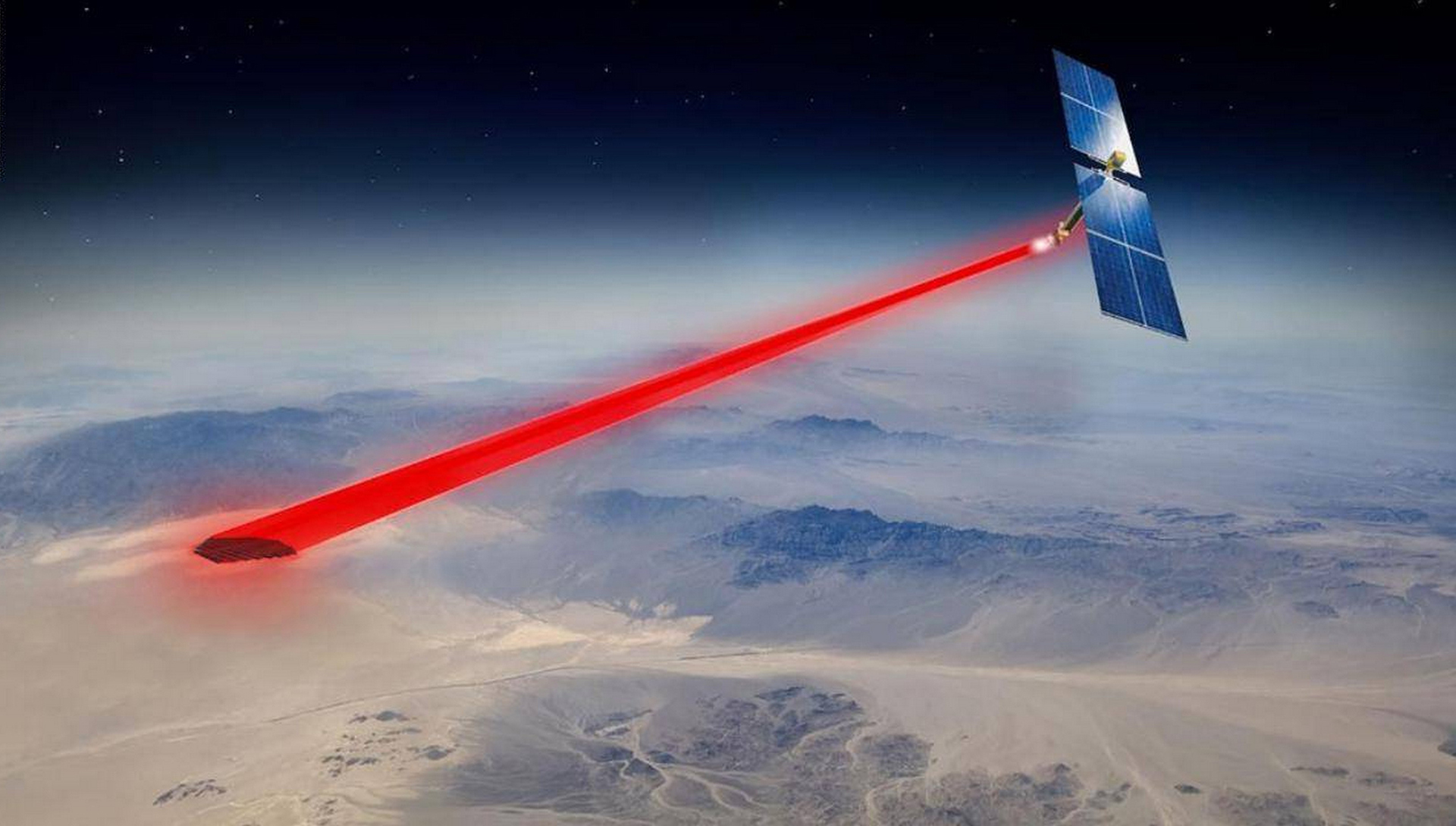
Longi Green Energy Technology, the world’s largest developer of solar energy technology, has the ambitious goal of sending solar panels into space to investigate the viability of a new method of generation and distribution of energy via Earth’s orbit.
The plan is to first collect solar energy in orbit around the planet and then send it down to the surface. The Chinese corporation also wants to investigate the use of its products in more adverse conditions, such as in space, and examine how they perform in space initiatives.
Solar Panels in Space Are Designed to Achieve Unlimited Sun Exposure
As this method can offer a solution to the most significant challenge of this technology, when installed on Earth, the panels cannot generate energy at night. Therefore, the plan for solar energy generation in space has piqued the interest of those working in the sector and academia. With solar panels placed in orbit, they are always oriented toward the sun, avoiding the same loss of efficiency that occurs when they are placed on the ground.
-
China creates the world’s largest tower crane to lift giant wind turbines: a 241-meter machine lifts 240 tons, equivalent to hoisting 200 cars, and demonstrates why clean energy now requires engineering equivalent to an 80-story building in modern renewable parks.

-
Metro works in Rio reveal 1,800 archaeological artifacts up to 200 years old, including porcelains, plates, coins, glass, cutlery, and tram tracks.

-
Construction in Brazil was in full swing until it was interrupted after workers found more than 500 super ancient archaeological pieces, including stone artifacts, ceramic fragments, bottles, and crockery from the 18th and 19th centuries.
-
Scientists manage to correct genes in human embryos before birth with unprecedented precision, and the discovery reignites the debate on hereditary diseases, the future of babies, and the limits of genetics.



An announcement was made earlier this year by researchers at Xidian University in Shaanxi province that they successfully tested a model of a complete technology system aimed at transporting solar energy from space to the Earth’s surface. Their idea is quite similar to what Longi Green Energy Technology proposed, with the process beginning with the capture of solar light through microwave beams sent to the planet.
After traveling through the air, the beams reach a receiving station, which then converts them into electricity. This method could be scaled up to perhaps cover the vast distances of solar panels in orbit around the planet.
The solar panels suggested by the Chinese company could pave the way for future collaborative agreements for renewable energy with the China National Space Association, says Wu Zhijian, president of the China Space Foundation, a Chinese state organization. It is still unclear if the idea will be successful; however, if it is, there is much potential to be explored.
It Is Not Only China That Is Advancing in Space Solar Energy Generation Research
There are several countries besides China that are interested in space solar energy technology. After receiving a donation of one hundred million dollars in 2013, researchers at the California Institute of Technology initiated a mission with the same intent. Researchers from India, Russia, the United Kingdom, and France are also investigating this technology.
Japan is another country that has made progress in the sector. According to Zhijian, Chinese researchers are the first to successfully test a model of a complete solar energy technology system in space. However, this occurs because specific components of the technology have already been tested in the past.


Be the first to react!