






 Portuguese
  Spanish


Entrepreneur Shocks The World By Suggesting Unemployment Should Increase 50% To “Put Workers In Their Place”.
A surprising statement has shaken the corporate world. In a scenario marked by economic crises and debates over the valuation of work, an unexpected remark from a real estate mogul caused widespread outrage, both on social media and among economists.
His words brought to light a delicate issue: the balance of power between employers and workers, at a time of growing dissatisfaction in the global labor market.
What led this entrepreneur to suggest something so radical? Let’s dive into the details of this story that generated so much uproar.
-
Brazil’s 2026 Tax Refund: Record 9.58 Million Filers in Largest Payout Ever, But a Key Detail on Priority Recipients Draws Nationwide Attention

-
Itaú Alters Hybrid Work Model, Increasing Office Days from 2028, Prompting Employees to Adjust to New Routine
-
Facing Labor Shortage, Japan Plans to Invest $34 Million to Attract Foreign Workers in Construction, Healthcare, Industry, and Commerce

-
Brazilian City Makes Remarkable Leap, Becomes 4th Wealthiest in the Country with GDP of R$ 134.1 Billion




The Controversial Speech Of Entrepreneur Tim Gurner
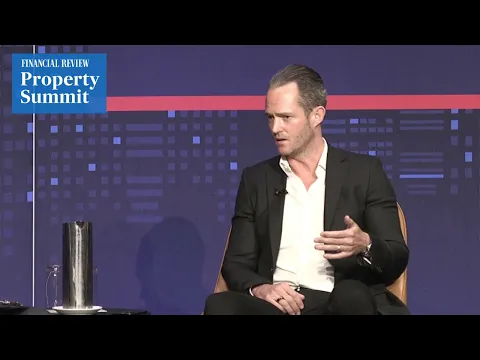
During the AFR Property Summit in 2023, Tim Gurner, founder and CEO of Gurner Group, made a speech that shocked the audience and echoed around the world.
According to Gurner, “employees feel that the company is very lucky to have them, and not the other way around.” He added: “We have to end this attitude, and this needs to happen with costs to the economy.”
The entrepreneur was even more emphatic, stating that “unemployment needs to increase by 40% or 50%” for workers to “remember that they work for companies, not the other way around.”
These words sparked a complex debate about the power dynamics between employers and employees.
Changes In Labor Relations
Gurner’s comment did not happen in a vacuum. In recent years, the global labor market has experienced profound changes.
Terms like quiet quitting (the practice of doing just the bare minimum at work) and quiet ambition (discreet ambition, where employees avoid drawing attention) have gained prominence.
In response, companies have developed strategies like quiet cutting, where they create work environments that force employees to voluntarily resign.
As these dynamics evolve, the pressure on employers and employees has intensified. However, Gurner chose a more extreme view: advocating for an increase in unemployment as a way to rebalance the power dynamic.
Public Reaction And Gurner’s Apologies
The reactions to Gurner’s speech were swift and intense. On social media, users expressed their outrage at the entrepreneur’s harsh words, who was accused of insensitivity towards millions of workers facing uncertainties and difficulties in their careers.
The negative reaction was so strong that Gurner quickly issued an apology.
In his words: “I want to make it clear: I appreciate that when someone loses their job, it has a profound impact on them and their families, and I sincerely apologize that my words did not convey empathy for those in that situation.”
He went on to assert that his comments about unemployment and productivity were wrong and that he deeply regretted the impact his words had caused.
Economic Context In Australia
The context of Gurner’s statement is the scenario of high inflation and price pressures in the housing and rental markets in Australia.
According to him, “there are clearly important conversations to be had in this environment of high inflation, price pressures on housing and rentals due to lack of supply, and other cost of living issues.”
The economic crisis and difficulties in the labor market have led many economists to discuss alternatives to address these challenges.
However, the solution presented by Gurner was considered extreme and, according to experts, ineffective in resolving the structural problems of the Australian economy.

Impact Of The Speech On The Real Estate Sector
Tim Gurner is a prominent figure in the luxury real estate market in Australia. His company, Gurner Group, is responsible for multimillion-dollar developments catering to the country’s elite.
Given this, his words caused even more discomfort, as he seemed to suggest a measure that would directly affect the working population, while the luxury sector remains shielded from the largest economic consequences.
According to Australian economist David Murphy, “talking about unemployment as a control tool for companies is an outdated and ineffective approach.” He emphasizes that such measures do not solve fundamental cost of living problems and may actually worsen the social crisis.
Genuine Apology Or Marketing Strategy?
The sincerity of Gurner’s apologies has been widely questioned. Many internet users believe he was merely trying to mitigate the negative impact of his words to preserve his image and the reputation of his company.
According to online reactions, Gurner may have revealed his true opinion about the role of workers in the current economy, and the apology would be merely a strategy to minimize the damage caused by negative fallout.
Reflections In Brazil
Although the Australian scenario is different from the Brazilian one, Gurner’s words may resonate in Brazil as well, where unemployment and inflation are recurring issues.
The relationship between employers and employees in the country also faces its challenges, with many companies struggling to maintain their operations in an unstable economic environment.
The idea of increasing unemployment as a solution, however, certainly would not find support in Brazil, where unemployment rates are already a significant social concern.
Would Brazil also face a wave of unemployment if entrepreneurs adopted drastic measures as suggested by Tim Gurner?








