





 Portuguese
  English
  Spanish
  4 min of reading
  0 comments


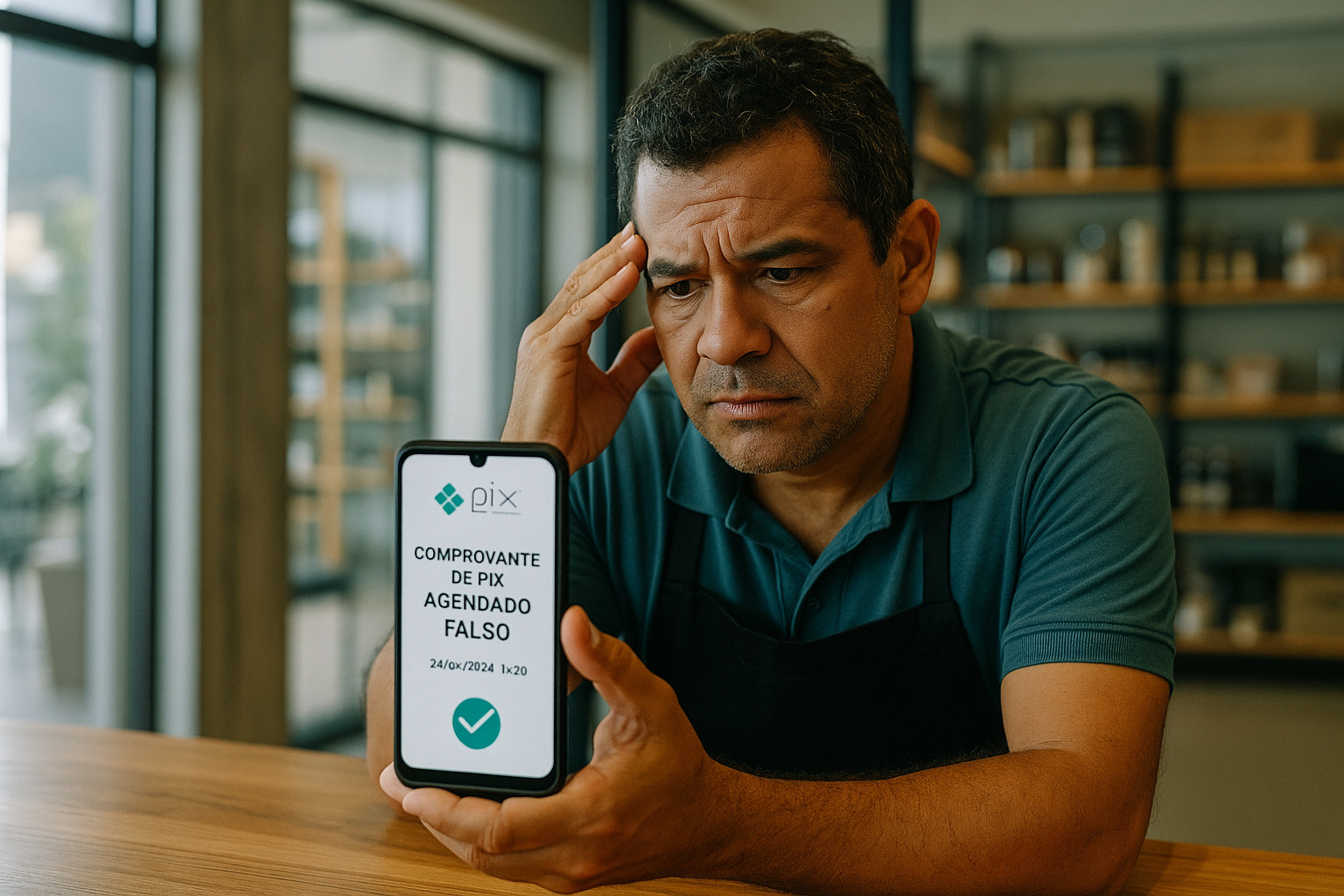
Merchants And Small Business Owners Become Targets Of A Sophisticated Type Of Digital Fraud: The Scheduled Pix Scam. Criminals Use Fake Proof, Cancel Transfers Before The Scheduled Date, And Bypass Even Immediate Blocks, Leaving Losses And Distrust In Commerce
Since the Pix was launched by the Central Bank, the system has revolutionized the way to pay and receive in Brazil. The speed and no-cost feature have transformed the payment method into an essential ally for entrepreneurs and retailers. However, this same practicality has also opened the door for new frauds.
Among them, the one that has been growing the most in recent months is the scheduled Pix scam, a scheme that directly affects the retail sector and service providers. The criminal simulates the scheduling of a transfer, shows a seemingly legitimate proof, receives the product or service, and then cancels the operation before the scheduled date. Result: the entrepreneur is left without money and without the product.
This information was disclosed in an article by Cora, which warned about the increase in fraud and the financial impact this practice has caused in businesses throughout the country.
-
The anxiety that hinders so many students during exams received a response in Enem 2026, which started allowing support companions for those with mental disorders such as OCD and ADHD, as well as fibromyalgia, in a measure that follows the 191% increase in the demand for specialized care.

-
The upper part of a monumental statue attributed to Pharaoh Ramses II, weighing between five and six tons and measuring about 2.2 meters, was discovered at the site of Tel al-Faraoun in the Nile Delta, revealing a stronger presence of the great pharaoh in northern Egypt than previously imagined.
-
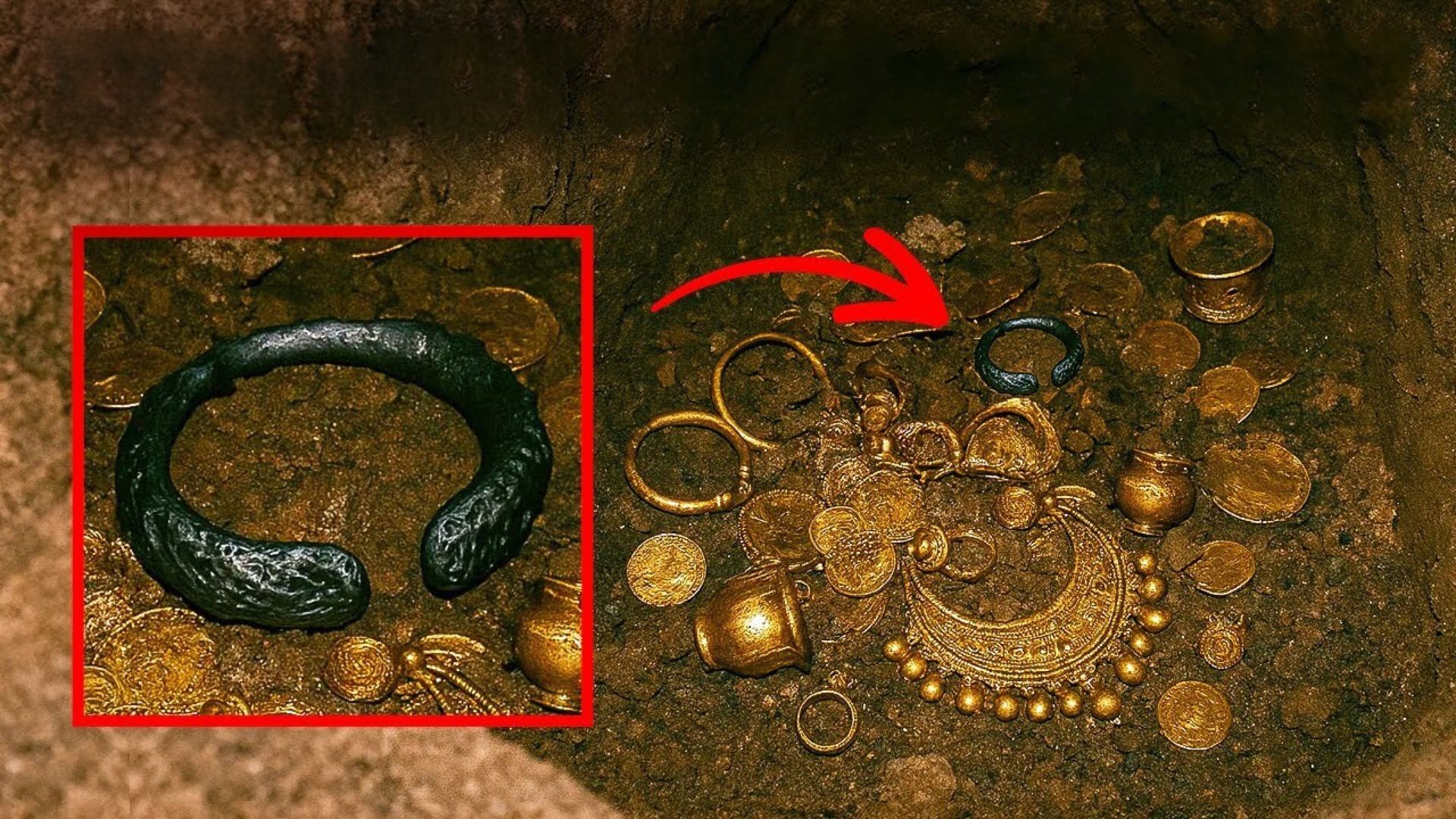
The most valuable treasure of the Bronze Age in Spain hid an impossible secret for 60 years: scientists confirmed that the bracelet and the gold hemisphere of the Villena Treasure were forged with meteorite iron even before iron metallurgy existed on the Iberian Peninsula.
-
Civil engineer explains the strategy that would allow Luciano Hang to build Havan megastores in just four months, combining flat land, standardized prefabricated structures, and concrete panels that replace masonry to speed up each construction across the country.



How The Scheduled Pix Scam Works In Practice
In most cases, the scam is applied with apparent naturalness. The customer approaches, makes the “payment” via scheduled Pix, and shows a manipulated or cropped proof, where the date of the transfer has been removed. At first glance, the document seems authentic, but the transaction would only occur in the future — if it were not canceled shortly afterward.
In other cases, scammers use image editing software to alter the status of the proof, changing the term “scheduled” to “transferred.” There are also situations where they claim slowness in the banking system, convincing the seller to release the merchandise even without confirming the credit.
During high-traffic dates, such as Mother’s Day, Christmas, and Valentine’s Day, the risk increases. This is because merchants are more overloaded and end up checking fewer details before completing the sale. It is in this scenario that the scam finds fertile ground to occur — and cause significant losses.


A Digital Post-Dated Check: The Experts’ Warning
Digital security experts say that scheduled Pix works similarly to a post-dated check. It depends on future execution and can be canceled at any time before execution, which makes it vulnerable to abuse.
The Central Bank emphasizes that the Pix system is secure, but the responsibility for conscious use lies with the user. Therefore, human attention is the main barrier against the scam.
Cora emphasizes that, even with the so-called Special Mechanism of Reimbursement (MED) — which allows for the temporary blocking of amounts suspected of fraud — reimbursement is not always possible. When the criminal disperses the money quickly, the bank cannot recover the amount, leaving the entrepreneur with no options.
Five Practical Measures To Protect Your Business
Prevention is the best investment. Below, check out five fundamental recommendations to avoid falling for the scheduled Pix scam and preserve your company’s financial health:
- Confirm Credit In Real-Time — Never deliver products or finalize services without verifying if the amount has actually entered the account. The statement is the only reliable proof.
- Analyze Each Proof — Check if it contains date, time, transaction ID (with 32 characters starting with the letter “E”), amount, and names of the payer and recipient.
- Double The Attention During High-Demand Periods — On commemorative dates, reinforce the team to check payments carefully.
- Avoid Pix In Future Or Installment Sales — Prefer credit cards, which guarantee compensation from the issuing bank.
- Choose Banks With Business Security Features — Institutions like Cora offer automatic receipt alerts and instant verification tools, reducing the risk of error.
These simple practices can save the company’s cash flow and prevent an apparently normal sale from turning into a major loss.
The Invisible Impact: Trust And Reputation At Stake
More than just financial loss, the scheduled Pix scam undermines the trust relationship between seller and customer. Retailers report that, after episodes of fraud, many began requiring additional confirmations, which makes service slower and more bureaucratic.
Moreover, small businesses, which rely on constant cash flow, may suffer delays in paying suppliers and employees due to unexpected loss of amounts.
For this reason, experts recommend training sales teams and standardizing the payment verification procedure. This way, the business protects itself without losing agility in service.
The scheduled Pix scam is a direct reflection of the evolution of digital fraud in Brazil. Although the Pix system remains a safe and efficient tool, the vulnerability lies in human behavior — and in the haste to close deals.
Cora concludes the warning by emphasizing that attention is the main weapon against scammers. Confirming each transaction, staying informed, and using secure management tools are actions that separate a protected business from one that could lose everything in seconds.







-

1 person reacted to this.