Portuguese
  Spanish


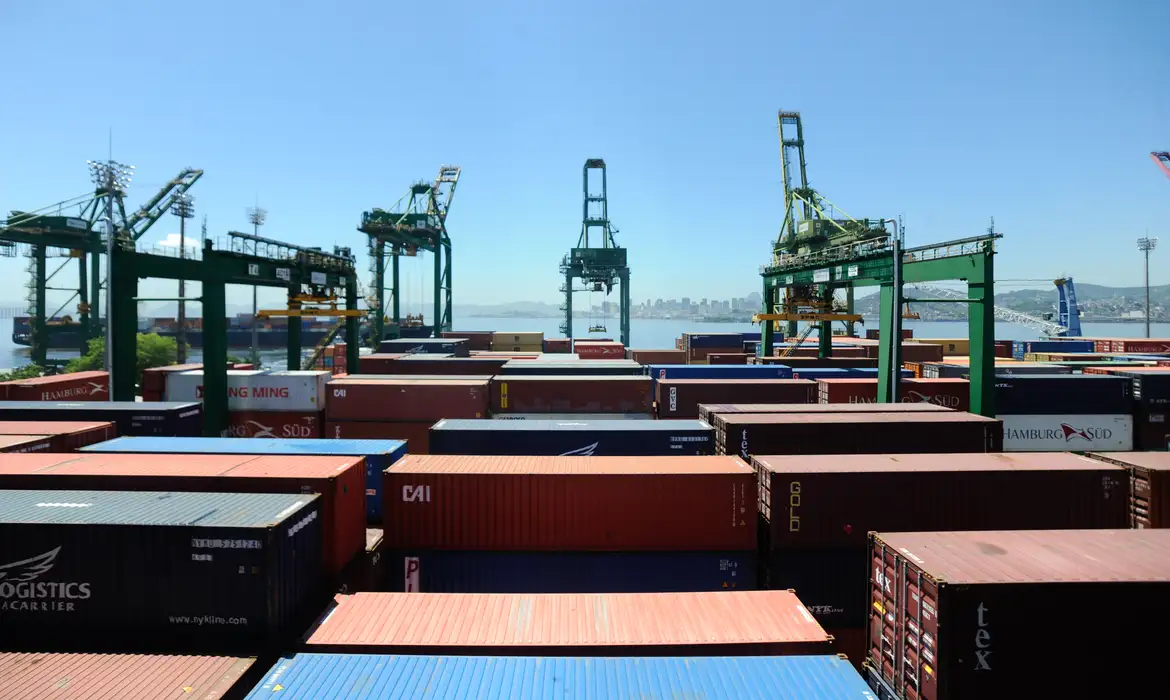

After Pressure From Maritime Sector, US Backtracks and Modifies Charges on Chinese Ships; Grain and Coal Exporters Will Benefit From Exemption
The United States government has decided to revise the port fees that would be applied to ships built in China. The change was announced after strong criticism from maritime sector companies. The initial proposal, presented in February, included fees of up to US$ 1.5 million per ship call.
New Rule Reduces Impact for Exporters
With the new measure, the fee will be charged only once per trip, with a maximum of six charges per year. Additionally, ships arriving empty to pick up bulk exports, such as grains and coal, will be exempt from the charge.
The change aims to protect companies operating in regions like the Great Lakes and the Caribbean. It also seeks to strengthen the US shipbuilding industry and reduce China’s influence in international maritime transport.
-
North Korean Fiasco: Launch of the Largest Warship Ends in Sinking

-
While giant ships still burn heavy fuel and the maritime sector races against climate targets, Maersk and Vale are starting to bet on ethanol as a new route to reduce emissions at sea.

-
China begins construction of the world’s largest LNG ship, a 344-meter giant capable of supplying 4.7 million homes for a month, carrying 271,000 m³ of gas, and placing QatarEnergy in the largest naval order ever recorded in world history.
-
China is designing a container ship with a thorium nuclear reactor that will operate for 40 years without refueling, and the 25,000-container giant from Jiangnan Shipyard will cross oceans without emitting carbon in an industry that burns 300 million tons of fuel per year.


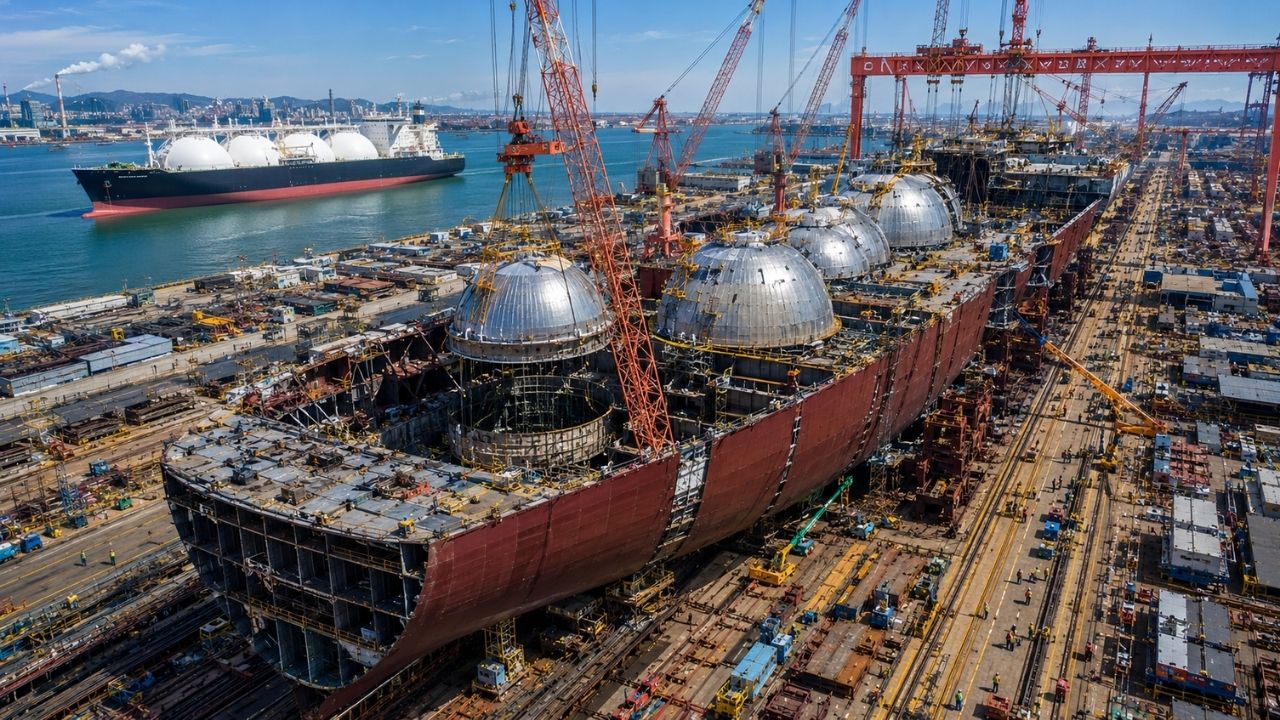

Maritime Sector Reaction Accelerated Review
The original proposal received harsh criticism from exporters and shipowners. They argued that the cumulative fee could harm the competitiveness of American products and increase costs for consumers.
Companies like MSC and Maersk warned about potential losses to their international routes. Pressure from the sector contributed to the government’s decision to review the measure.
New Rules Take Effect in Six Months
The implementation of the new fees will occur in six months. There will be a differentiation in values between bulk carriers and container ships.
Meanwhile, the US government continues to investigate China’s trading practices in the maritime sector. American authorities accuse the country of maintaining unfair policies.
An hearing is already scheduled for May. It will discuss possible tariffs of up to 100% on Chinese port equipment, such as cranes and chassis.
With information from Brasil em Folhas.