






 Portuguese
  Spanish


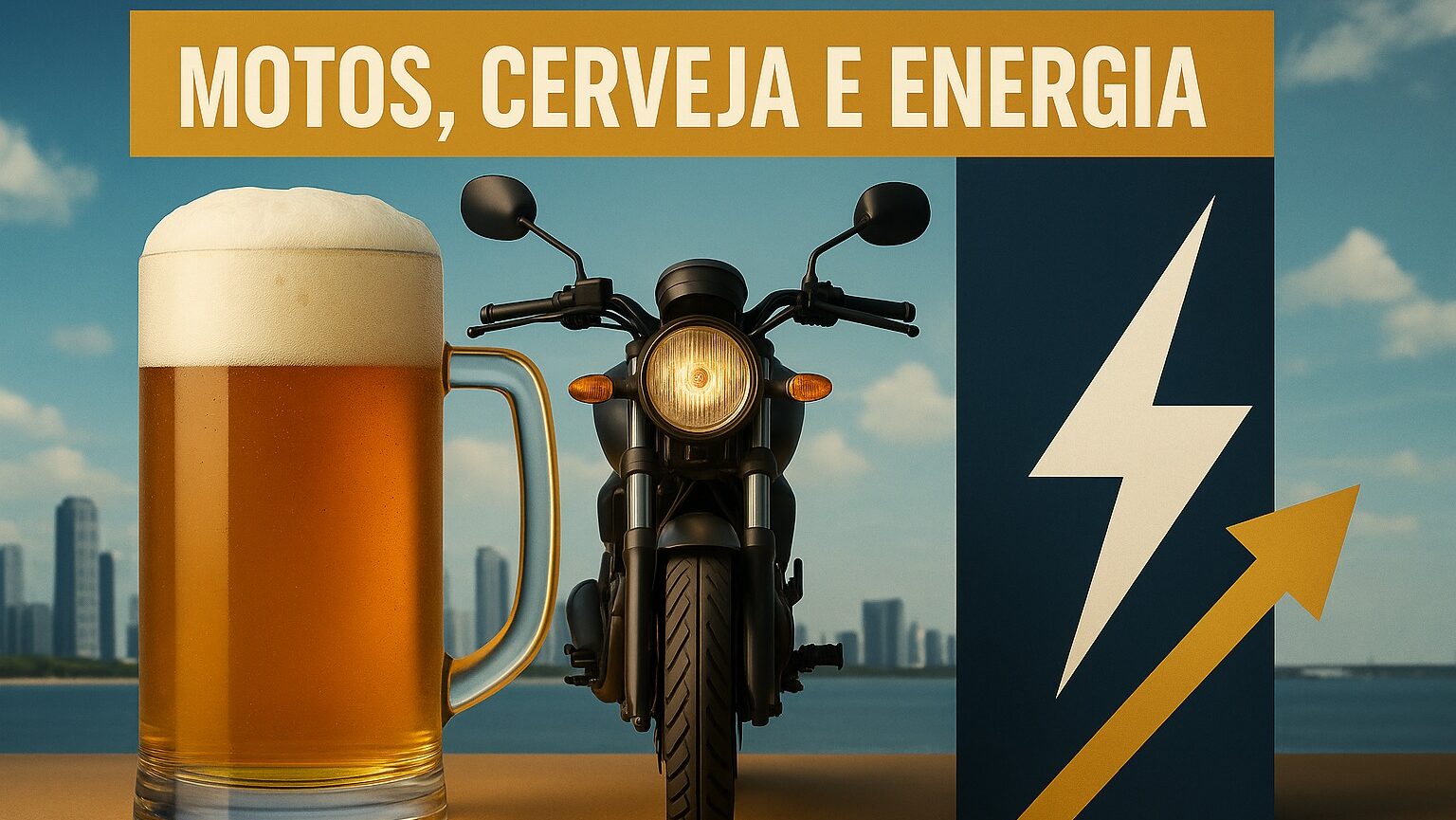


Honda, Ambev, and Petrobras Consolidated Positions So Strong That They Shape Habits, Control Strategic Sectors, and Leave Competitors with No Real Chance to Threaten
The Brazilian market presents sectors where some companies have achieved such great dominance that they have become almost unassailable. They not only lead but set standards, control production chains, and shape consumer behavior.
Three clear examples of this power are Honda, Ambev, and Petrobras. Each, in its area, maintains a level of hegemony so strong that competition can hardly threaten it.
Honda and the Supremacy of Motorcycles in Brazil
When it comes to motorcycles in Brazil, the name Honda comes to mind immediately. The Japanese brand accounts for over 70% of sales in the country. No other manufacturer, not even Yamaha, comes close to this figure.
-
Brazil’s 2026 Tax Refund: Record 9.58 Million Filers in Largest Payout Ever, But a Key Detail on Priority Recipients Draws Nationwide Attention

-
Itaú Alters Hybrid Work Model, Increasing Office Days from 2028, Prompting Employees to Adjust to New Routine
-
Facing Labor Shortage, Japan Plans to Invest $34 Million to Attract Foreign Workers in Construction, Healthcare, Industry, and Commerce

-
Brazilian City Makes Remarkable Leap, Becomes 4th Wealthiest in the Country with GDP of R$ 134.1 Billion




The secret of Honda lies in tradition, reliability, and a network of dealerships spread throughout the national territory.
The company understood the Brazilian reality, focusing on economical and durable models. These vehicles cater to both those who need to commute in large cities and those living in small towns or rural areas.
Moreover, Honda has created its own ecosystem. The Honda consortium, for example, opened doors for millions of Brazilians to realize the dream of their first motorcycle.
Another key point is the wide availability of parts and the low maintenance costs, factors that ensure practicality and build consumer loyalty. While competitors try to gain ground, Honda remains firmly as the absolute leader.
Ambev and the Beer Empire
In the beverage sector, Ambev has built a true empire. Owner of brands such as Skol, Brahma, Antarctica, Bohemia, and Stella Artois, the group controls approximately 60% of the beer market in Brazil.
This dominance arose from an aggressive acquisition strategy and the ability to distribute on a large scale.
Ambev is present in bars in major capitals and also in small grocers in the countryside. Its logistics are so efficient that rivals can hardly compete on price or reach.
Another central aspect is marketing. The company invests heavily in advertising and sponsorships, associating its brands with major sports and cultural events. This strengthens the emotional connection with the public and makes it difficult for new competitors to enter.
Craft and imported brands have grown in recent years, but still represent a small slice of the market.
The most important thing is that Ambev maintains its leadership not only through scale, but through the ability to capture the habits of Brazilian consumers.
Petrobras and the Control of National Energy
In the oil, gas, and fuels sector, Petrobras continues to be synonymous with leadership. Even in a scenario of market opening, the state-owned company remains at the center of the country’s energy matrix.
The company dominates refining in Brazil, an activity that ensures direct control over fuel production.
Its structure is immense: refineries, pipelines, and terminals spread across various regions, something that no competitor has managed to replicate to date.
The weight of Petrobras extends throughout the chain, from the pre-salt to the gas station. Furthermore, the brand carries significant symbolic value.
Established in 1953, it has become a national icon and is seen by many as a national asset.
Even in the face of political and economic turmoil, the state-owned company has maintained its relevance. Petrobras stations continue to be spread across the country, and despite the presence of private competitors, none have reached comparable scale.
Companies That Set Rules
Honda, Ambev, and Petrobras represent more than simple leadership. They set trends and establish standards that determine the directions of their sectors.
Each, in its area, demonstrates how the combination of scale, tradition, and adaptation creates nearly insurmountable barriers for competitors.
Therefore, while rivals seek gaps to grow, these giants remain consolidated at the top. For consumers, this means coexisting with brands that have been part of everyday life for decades in an almost unquestionable manner.








