Portuguese
  Spanish


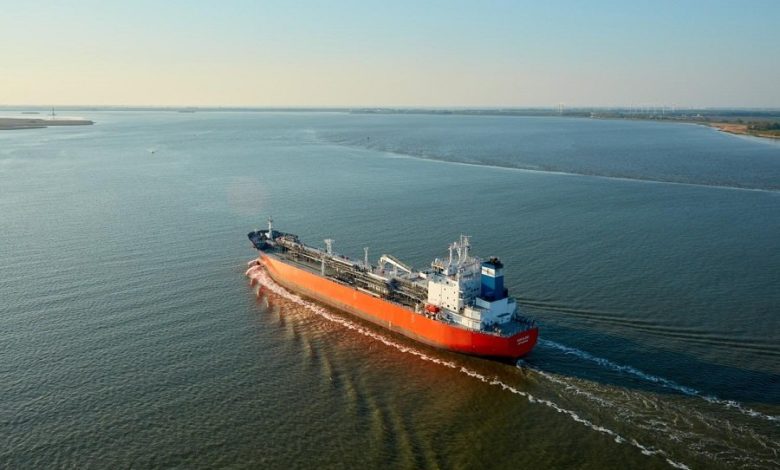

Exmar And Nutrien Join Forces To Build A Ship Powered By Ammonia That Will Reduce Carbon Emissions By Up To 40%
Companies around the world are working to develop technologies to reduce carbon emissions in the near future. Currently, a major project led by Exmar, a Belgian gas transportation company, and the Canadian Nutrien, aims to construct a ship powered by ammonia with low carbon emissions by 2025.
The project’s expectation is to reduce carbon emissions from Nutrien. The companies will collaborate on the selection of the ammonia-powered engine and the refueling system. The Canadian company has been developing a low-carbon ammonia engine for the past 10 years.
Nutrien has plenty of ammonia available for the project. The company has about 1 million tons of production capacity at its facility in Louisiana, United States. They possess the technology that captures excess carbon from their ammonia.
-
They exchanged the idea of a large house for a 35 m² warehouse, spent US$ 12,000 on the structure, and created a tiny house in Colorado with space to live and work.

-
While modern cities rely on pumps and electricity, in Iran, ancient tunnels carried water through the desert using only slope and gravity.
-
Instead of sending families far from the city, a project in Chile intentionally created incomplete houses on expensive urban land and left technical space for each to grow.
-
General Motors Replaces Over a Thousand Workers with 50 Cobots at Electric Vehicle Plant, UAW Union Criticizes Move Amid Industry’s Automation Push


Compared to the use of traditional fuels, the use of low-carbon ammonia will result in a reduction of up to 40% in carbon emissions in the atmosphere. If they use the best possible technology, the reduction could reach up to 70%.
View This Photo On Instagram
“Exmar has always strived to contribute to innovations and enhance efficiency in gas logistics and transport. Developing an ammonia-powered ship along with our long-time partner Nutrien is an exciting and logical next step for us,” highlighted Jens Ismar, CEO of Exmar.
The project is costly and ambitious, but the cooperation between the two companies aims to implement the ship by 2025. “This initiative demonstrates how we are acting to meet our sustainability commitments for 2030 under the Food Future Plan, which includes investing in low-carbon ammonia innovations,” the press release stated.