Closure of a remarkable industrial trajectory opens space for a new phase at the Turkish factory, after years of commercial leadership, international expansion, and different versions that transformed the model into an important piece of the automaker’s global strategy.
Fiat ended the production of the Egea, known as Tipo in different European markets, after 11 years of manufacturing at the Tofaş industrial unit, located in Bursa, Turkey, where the last unit left the line on June 30, 2026.
During this cycle, the Turkish factory produced exactly 1,417,047 units of the family, a number that placed the automobile among the most important industrial projects in the recent history of the joint operation maintained by Fiat and Tofaş in the country.
Almost half of this volume was exported, allowing the vehicle to reach consumers in more than 40 countries under different commercial names and reinforcing, at the same time, the importance of the Bursa unit in the automaker’s international strategy.
-
Nothing about Polo, HB20, or Kwid: the cheapest automatic car in Brazil abandons the flex system, brings back an exclusive ethanol engine, delivers 115 hp, and accelerates from 0 to 100 km/h in 10.5 seconds.

-
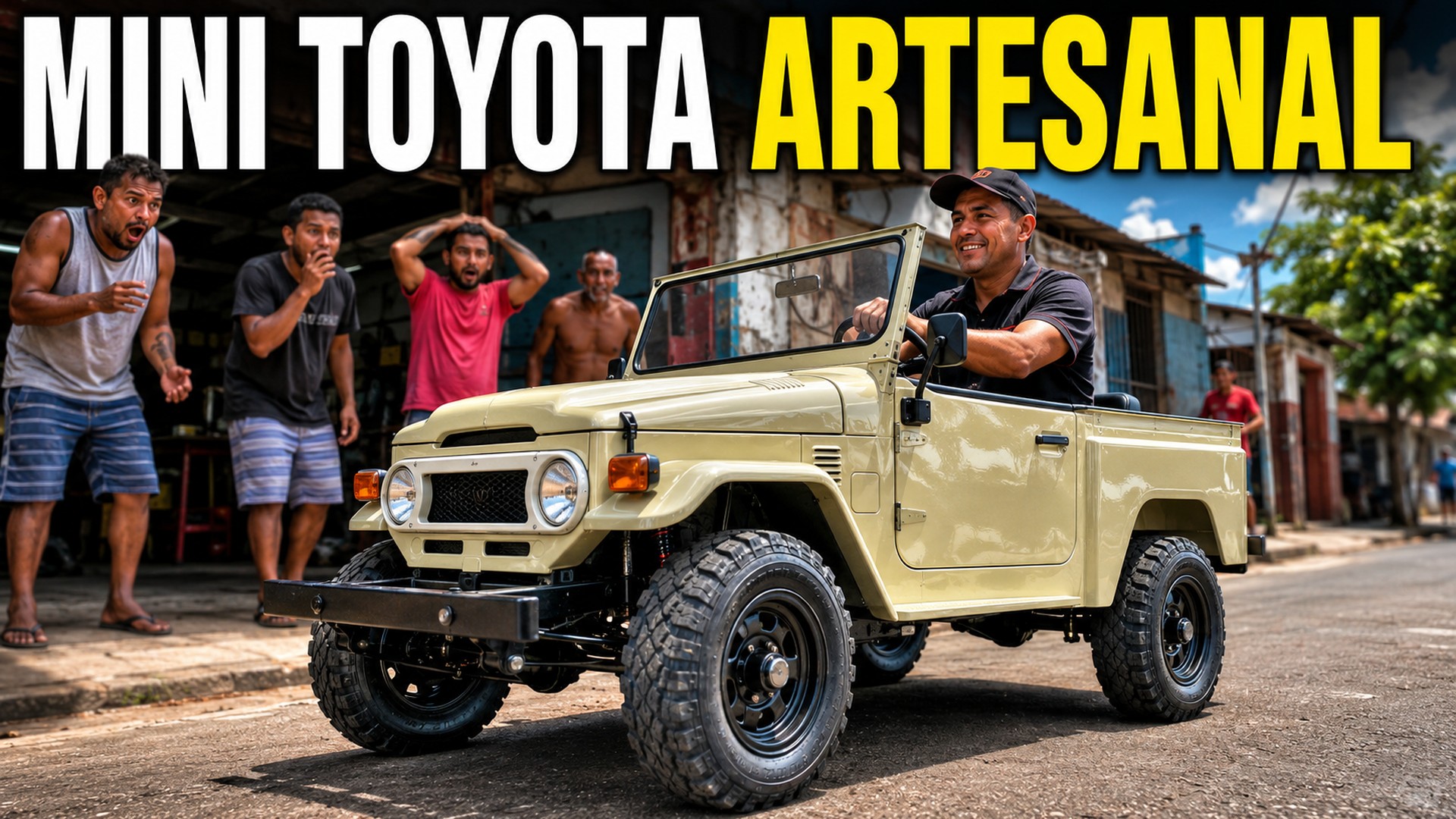
Hilux’s little sister: Toyota relaunches the Land Cruiser 70 in the 2027 lineup with over 40 years of production, a 2.8 turbo diesel engine with 201 hp and 51 kgfm, a six-speed automatic transmission, and a renewed retro look.
-
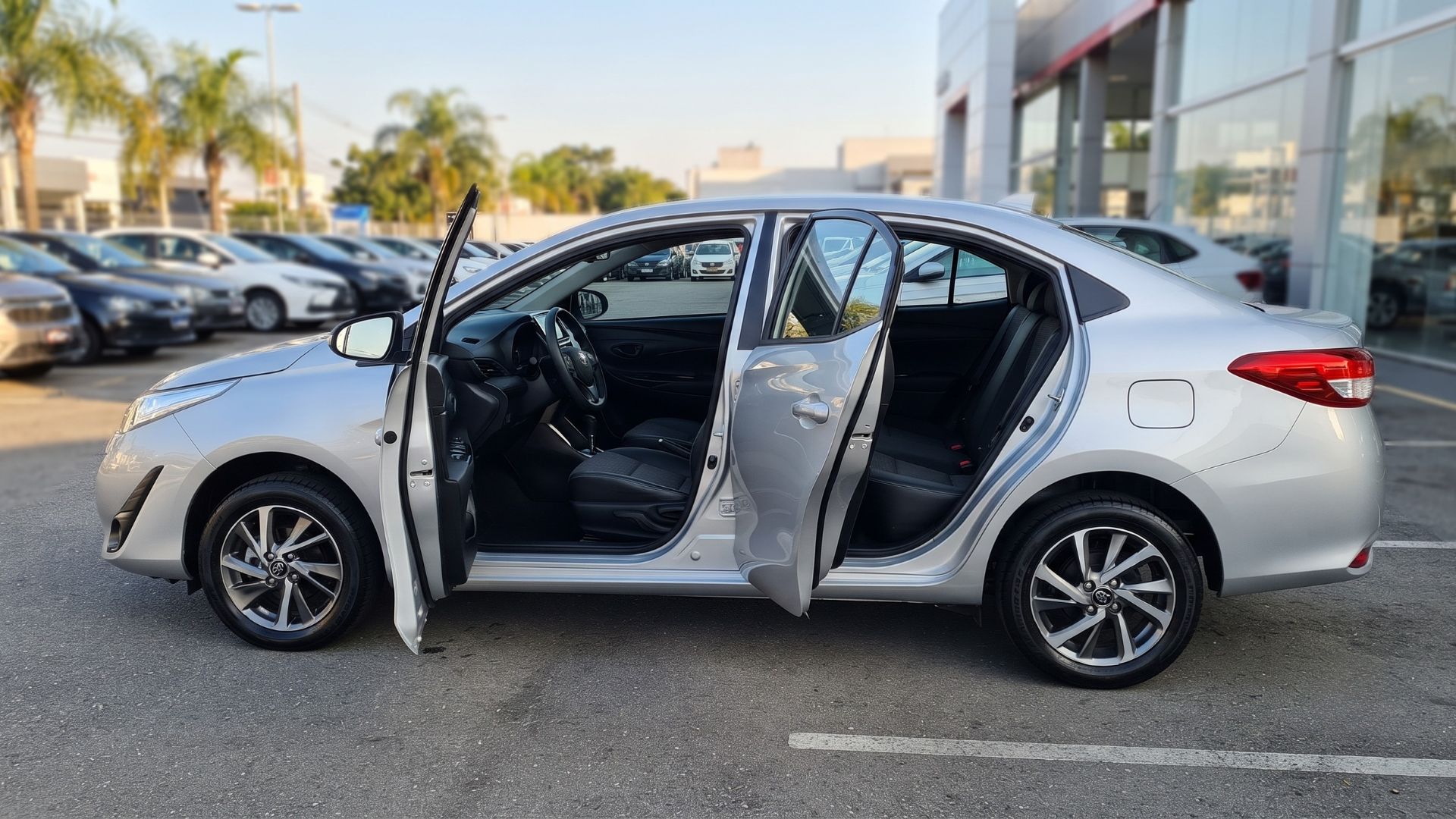
Automatic, economical, and known for reliability: with a 1.5 engine of up to 110 hp, CVT transmission, seven airbags, and fuel consumption of up to 15.9 km/l, this used hatchback appears as a rational alternative to Polo, HB20, and Onix; meet the Toyota Yaris XLS 2020.
-
He surpassed the Tera, Creta, and Tracker: With a TSI engine of up to 150 hp, 6-speed automatic transmission, and a 373-liter trunk, the Volkswagen T-Cross was the best-selling SUV in June, with 11,753 registrations.



Besides the reach obtained outside Turkey, the performance in the domestic market transformed the Egea into a commercial reference, as the model repeatedly occupied the first position among the best-selling cars in the country during its trajectory.
Last Fiat Egea leaves the Bursa factory
Produced in the same unit where the model began to be assembled in 2015, the last unit was an Egea Sedan Lounge, equipped with a 1.6 Multijet engine of 130 hp, dual-clutch automated transmission, and Dinamik Mavi blue paint.
By choosing a sedan to end the manufacturing, the operation highlighted the relevance of this body style in the commercial history of the automobile, as it was precisely in this configuration that the family initially entered the Turkish market before receiving other versions.
As the project advanced, the range came to include hatchback, station wagon, and Cross options, an expansion that helped the brand reach consumers interested both in a traditional sedan and in models with a more adventurous visual proposal.
This diversification also strengthened the vehicle’s international presence, as the same base came to meet different commercial needs and buyer profiles without breaking the identity built since the launch carried out in the middle of the past decade.
According to the numbers provided by the manufacturer, the sedan accounted for a significant portion of the family’s sales, reaching 565,097 units, while the Egea Cross accumulated 150,869 units until the final production phase.
Fiat Egea led the Turkish automotive market
More than the volume produced, the commercial consistency helps to gauge the impact of the closure, as the Egea was the best-selling car in Turkey for ten of the 11 years it was in production.
Shortly after its debut, the model began a series of impressive results and managed to maintain a prominent position even amid visual updates, changes in the range, and the arrival of new competitors in the compact car segment.
While consolidating its leadership within Turkey, the vehicle simultaneously expanded its presence abroad, a move that transformed the project developed in Bursa into a globally reaching product within Fiat’s industrial and commercial strategy.
In European markets, the name Tipo was adopted as the main identification, reviving a name that the Italian automaker had previously used in another generation produced and sold between the 1980s and 1990s.
Also known to the Brazilian public, the name Tipo gained traction in the country due to the hatch imported in the 1990s, although the generation manufactured in Turkey belonged to a later project, developed for different international markets.
Project involved Turkish engineering
From the initial phase, the design of the Egea had direct involvement from the Tofaş engineering team, which worked in collaboration with the then Fiat Chrysler Automobiles in developing the platform and the different configurations offered to the market.
Subsequently, Fiat Chrysler Automobiles became part of Stellantis after merging with the French PSA group, a corporate change that integrated the Turkish project into a broader industrial structure, composed of several automotive brands.
As the first configuration launched, the sedan served as a base for the subsequent expansion of the family, allowing Fiat to share components, production processes, and engineering solutions among vehicles intended for audiences and markets with different demands.
Even before completing the first full sales season, the Fiat Tipo received the Autobest 2016 award, a European recognition granted to the model considered the best purchase option in that cycle by the organization’s international jury.
Combined, local production, export volume, and variety of versions kept the car in the Bursa lines for over a decade, a period concluded with a result of over 1.4 million units manufactured.
Tofaş directs factory towards new Stellantis vehicles
Although it represents the end of an important stage, the withdrawal of the Egea was already planned in the industrial planning, as communicated to the market by Tofaş on October 20, 2025, regarding the temporary continuation of manufacturing.
At that time, the company informed that it had agreed with Stellantis Europe to extend the production of the Tipo/Egea only until June 30, 2026, a date that officially marks the end of the industrial cycle of the model.
The same communication presented changes related to the K0 project, aimed at the production of commercial vehicles, which is scheduled to occur between 2024 and 2032, with a total volume estimated at approximately 1 million units.
Within this projection, the company plans to direct about 230,000 vehicles to the North American market, an operation that required specific industrial adaptations and led Tofaş’s board of directors to review the resources allocated to the project.
To adapt the factory to the requirements of this new stage, the investment related to the program was updated to 386 million euros, an amount associated with the preparation of the unit and the implementation of the necessary processes for the manufacturing of the new vehicles.
Comprising light commercial vehicles and configurations intended for passenger transport, the K0 family is part of a strategy shared by Stellantis brands and is beginning to occupy an increasing space in the industrial plans of the Turkish factory.
With the advancement of these programs, the Bursa unit directs part of its capacity to products different from those that sustained the Egea cycle, reorganizing the operation after more than a decade of continuous production of the automobile.
Thus comes to an end a journey that began in 2015, marked by prolonged leadership in the Turkish market, presence in more than 40 countries, and production exceeding 1.4 million units over 11 years.
With this change, which model might occupy the space left by the Fiat Egea both on the Bursa assembly lines and among the consumers who followed its commercial trajectory?