Portuguese
  Spanish


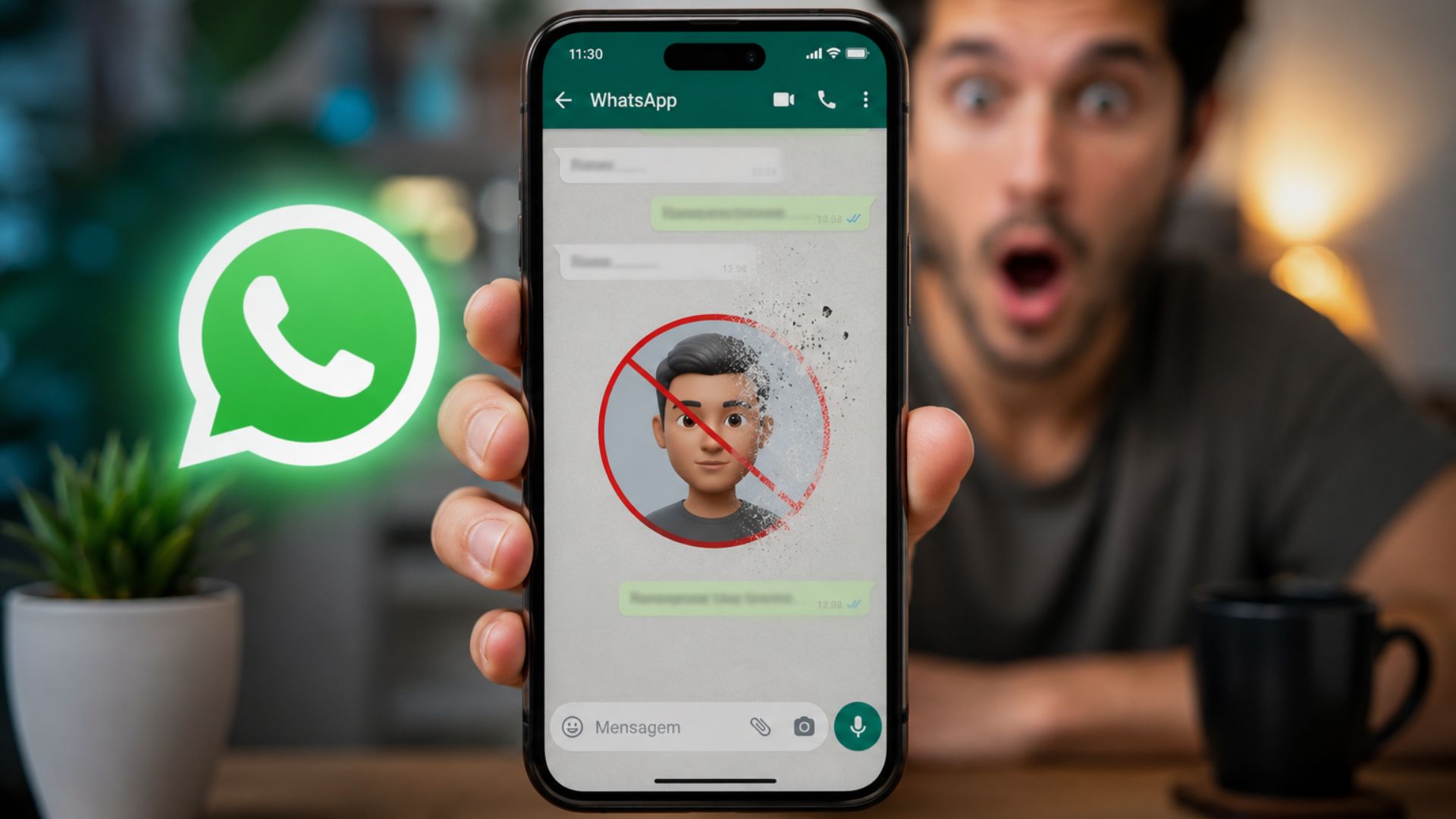

Feature created to expand WhatsApp personalization begins to disappear from phones after years of low adoption.
The gradual removal of avatars already affects Android and iPhone users and reinforces a silent shift in Meta’s strategy, which is now focusing efforts on functions considered more useful and frequent within the messaging application.
WhatsApp has begun the gradual removal of digital avatars from its Android and iPhone applications, slowly discontinuing the creation and editing tools launched globally in December 2022 to expand personalization options within the platform.
In addition to disappearing from settings in some accounts, the virtual characters have also stopped receiving support in specific areas of the application, a move that has already begun to be communicated to users through notices displayed within the messenger itself.
-
16-Year-Old from Brazil’s Sertão Wins Young Scientist Award for AI Predicting Rainfall with 94.5% Accuracy to Aid Farmers

-
Netherlands Reports First Child Euthanasia Case Since Rule Expansion for Minors

-
Brazilian Innovator Survives Homemade Submarine Dive in Paraty Despite Hatch Leak and False Oxygen Alarm
-
China Develops Custom 140-Ton Electric Mining Truck with 770 kWh Swappable Battery, Deploys 290 Units in Xinjiang’s Largest Zinc Mine



According to WhatsApp’s official help page, new avatars can no longer be created in some of the versions available for mobile phones, while stickers associated with the feature are expected to continue working only temporarily in some accounts.
Although Meta has not disclosed public numbers on the tool’s usage, specialized technology outlets pointed out that low global adoption played a decisive role in the gradual discontinuation of the functionality within the most used messaging application in Brazil.
WhatsApp begins to remove feature launched in 2022
The removal of avatars was initially identified by WABetaInfo, a portal known for tracking WhatsApp tests and changes before official releases for Android and iPhone in different markets around the world.
According to reports published by the specialized website, recent application updates have eliminated access shortcuts, editing options, and paths that led directly to the creation of digital characters within the platform.
When the feature was introduced to the public in December 2022, Meta championed the novelty as an alternative to make conversations more expressive, offering users a personalized virtual representation integrated into the company’s ecosystem.
In practice, avatars allowed users to create characters with different physical characteristics, clothes, and visual styles, which could then be used as a profile picture or automatically transformed into stickers for private conversations and groups.
Despite Meta’s investment in digital experiences linked to virtual identity, avatars never managed to achieve the same level of popularity observed in other established WhatsApp features, such as emojis, traditional stickers, and quick reactions.
Even though the company has promoted visual adjustments and minor improvements since the tool’s official launch, engagement remained below expectations in different regions, including markets considered strategic for the application.
Change already appears on Android and iPhone phones
On phones affected by the most recent update, some users can no longer find the “Avatar” option within the application settings, while others have started receiving notifications informing them about the progressive limitations of the feature.
As is common with major changes in WhatsApp, the rollout is gradual and may take some time to reach all devices compatible with the latest versions of the application for Android and iOS.
In addition to the inability to create new characters, some users have also lost access to the tools responsible for modifying appearance, clothes, and visual elements previously available in the avatar dedicated area.
Another relevant change involves the stickers automatically generated by the system, as some of them may remain saved in conversations for a temporary period, even after the official discontinuation of support for the feature.
So far, Meta has not disclosed a public timeline indicating when the removal will be completed across all accounts, nor has it clarified whether avatars will definitively disappear from old conversations and profiles.
Meta focuses efforts on features considered more useful
The discontinuation of avatars highlights a shift in priority within WhatsApp, which in recent years has begun to direct more attention to tools related to productivity, security, artificial intelligence, and real-time communication.
Among the features that have recently gained space within the platform are channels, improvements in voice and video calls, message organization systems, and functions linked to optional integration with Meta’s own services.
By reducing the space occupied by rarely used tools, the company can simplify part of the app experience and concentrate investments on features that are more frequently used in users’ daily lives.
Even so, there is no official confirmation about a possible substitute for avatars, nor public information indicating whether Meta intends to launch new visual customization alternatives specifically for WhatsApp.
The decision also doesn’t necessarily mean the definitive abandonment of digital experiences linked to virtual identity, as other company applications continue to maintain similar tools in operation for different audiences.
Feature did not become a habit among app users
The case of avatars shows how not every new feature launched on large platforms manages to transform into recurrent behavior, especially in applications aimed at quick and direct communication among millions of people daily.
Even offering customization options and automatic integration with stickers, the tool did not achieve enough relevance to change how a large part of users utilize WhatsApp in personal and professional conversations.
In Brazil, where the application holds a central position in work, study, and family communication routines, functionalities considered practical and immediate tend to gain more space than features exclusively focused on visual appearance.
Because of this, tools that require detailed creation, constant editing, or manual configuration frequently find it more difficult to remain relevant within platforms primarily used for their speed and simplicity in message exchange.
With the ongoing removal, WhatsApp reinforces an internal reorganization movement that prioritizes more useful daily functions and gradually reduces features that have lost space since their original launch.
In this scenario, the permanence of new tools within the application tends to depend less on the initial visual impact and much more on their ability to naturally integrate into users’ daily habits.