






 Portuguese
  Spanish
  2 min of reading
  0 comments


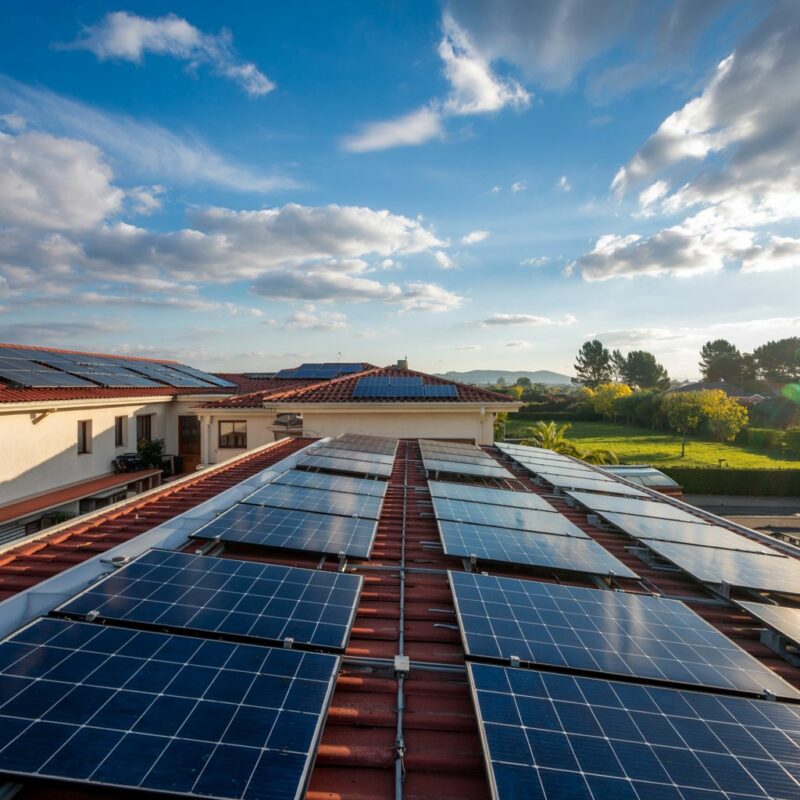
With Low Interest Rates and a Grace Period of Up to 120 Days, Solar Energy Financing Becomes More Advantageous Than the Electric Bill.
Residential solar energy is becoming increasingly present on Brazilian rooftops, mainly due to its long-term cost-benefit.
However, the initial investment still poses a challenge for many families.
According to the website O Liberal, published on March 25, 2025, financing emerges as a viable alternative, as the installment can be less than the traditional electric bill.
-
Brazilian scientists are simultaneously advancing two research projects on clean hydrogen and driving solutions that could transform the energy matrix, enhance industrial competitiveness, and accelerate large-scale emission reduction targets.

-
Advancement in renewable energy: A R$ 150 million project launched by Petrobras and Finep aims to create state-of-the-art electrolyzers for green hydrogen, strengthening national research and preparing Brazil to compete in a billion-dollar energy market.
-
Solar energy can increase property value by up to 10% and become a selling point.
-
Illiterate or semi-literate grandmothers were trained to repair solar systems, open rural workshops, and light up homes that still depended on kerosene.


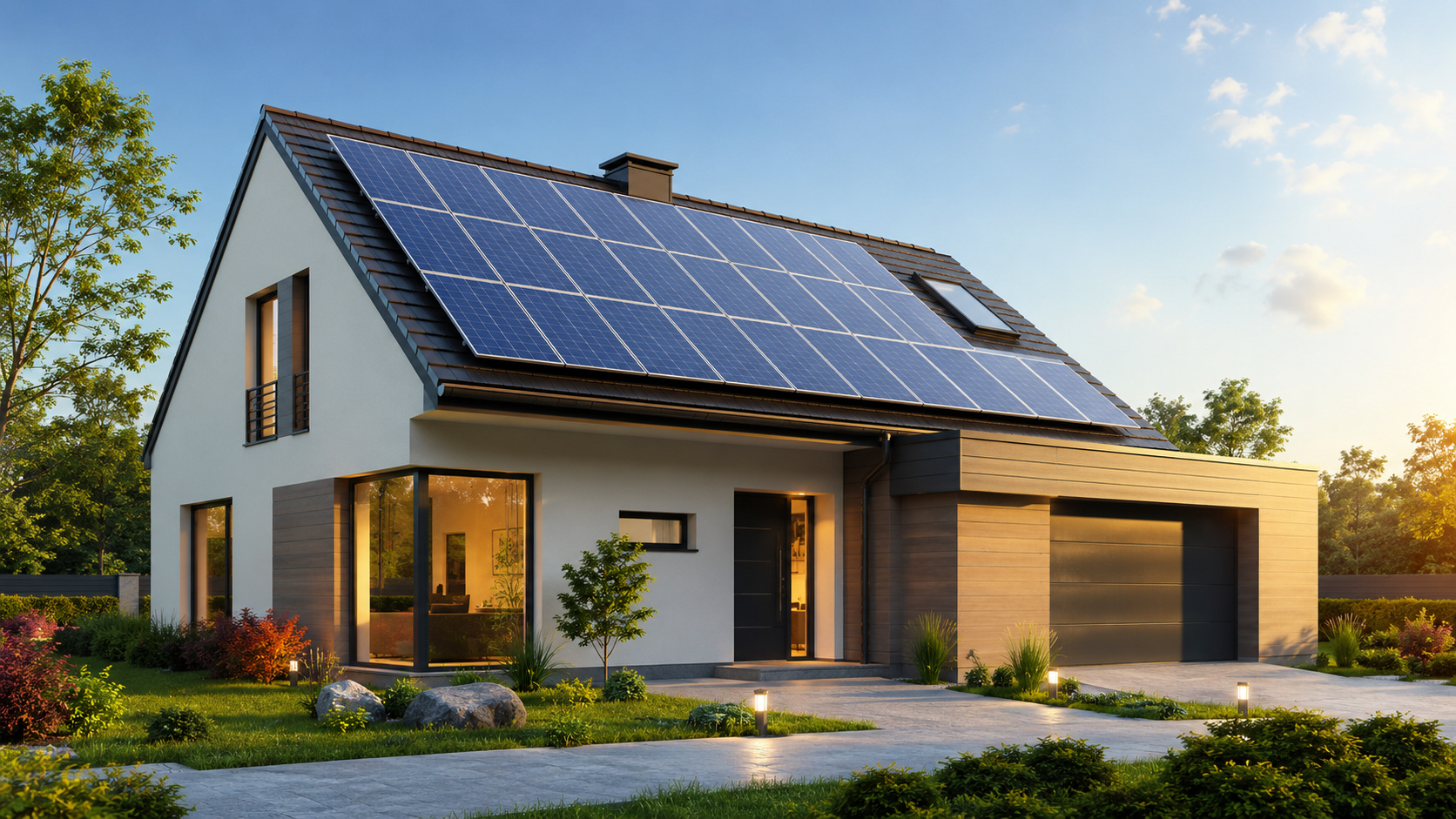

Low Interest Rates and Immediate Savings
According to specialist Ruan Gomes, commercial director of a company specialized in Greater Belém, a customer who pays R$ 600 per month for energy consumes, on average, 500 kWh monthly.
In this case, a photovoltaic system sized for this demand can be financed with interest rates between 1.7% and 1.8% per month.
Thus, the financing installment can be lower than the monthly bill from the utility company.
Furthermore, the consumer stops relying on the distributor and starts to generate their own energy, which means savings from the very first month of generation.
Grace Period Expands Access to Clean Energy
Another highlighted benefit is the possibility for the client to start payments with a grace period of up to 120 days.
For example, if the contract is signed on March 25, the first installment can be paid only on July 25.
This provides time for the system to be installed, become operational, and start generating returns even before the first bill.
According to Ruan, this increases financial security and facilitates the decision to invest in solar energy.
Company Structure Influences Quality
Despite the advantages, the specialist warns that not all companies provide security in project execution.
Many electricians become MEI, open CNPJs, and outsource all services, which can compromise delivery and technical support.
Therefore, he recommends that consumers seek companies with physical structure, in-house teams, and after-sales support, ensuring more confidence and peace of mind.
In this scenario, financing becomes even more relevant by making the investment accessible with technical and operational support.
Self-Generation Grows in Pará
According to Absolar, Pará currently has over 44,700 installed systems, serving more than 51,200 consumers.
This number represents significant growth, especially between 2022 and 2023, a period during which the number of beneficiaries of solar energy nearly doubled in the state.
Thus, distributed generation continues to expand and demonstrates that financing can be a key to further accelerating the adoption of new consumers.





-

1 person reacted to this.