






 Portuguese
  Spanish


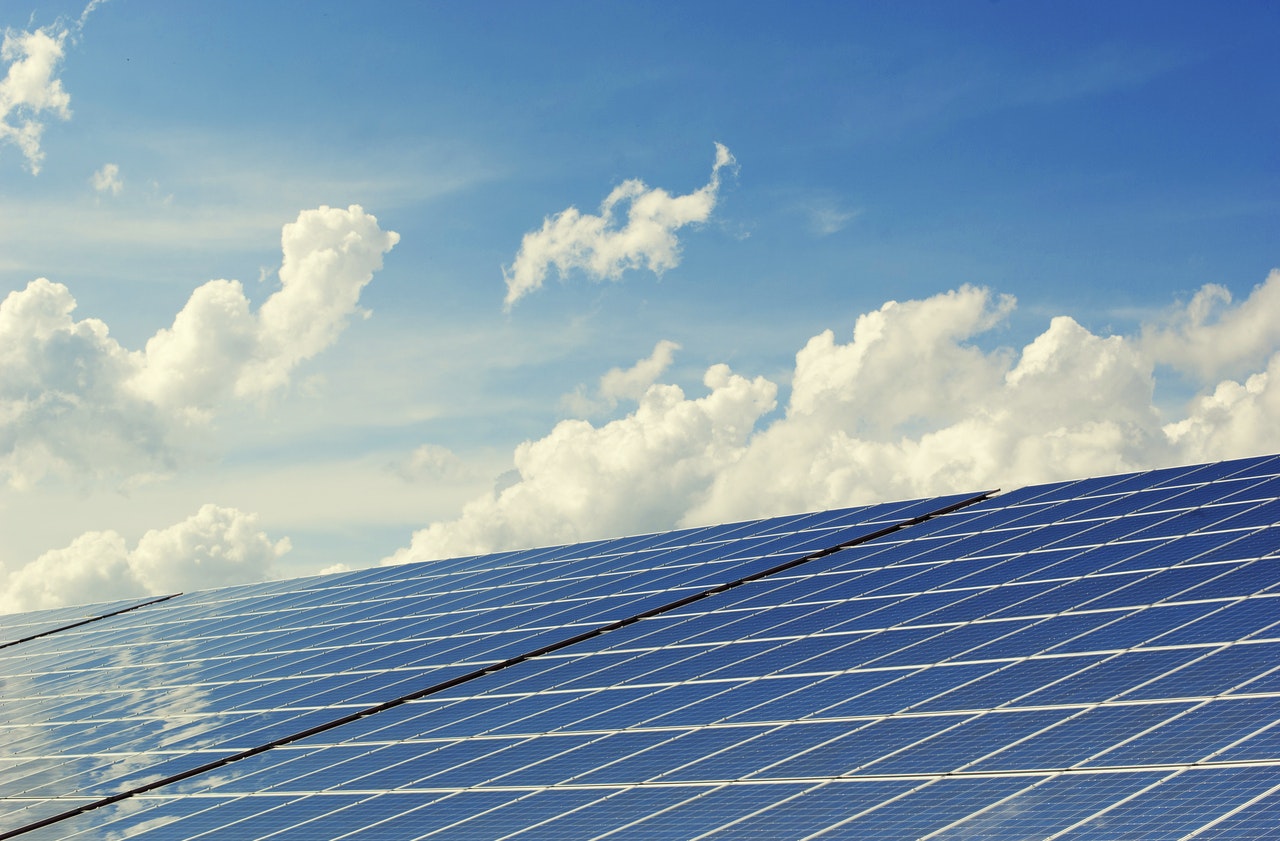

Mechanisms Such as the Use of Aluminum for Solar Energy Generation Contribute to the Reduction of Environmental Impacts
The solar energy sector has been exponentially gaining new admirers, as solar energy is a clean and renewable source. Being a profitable and sustainable source, some industries in the energy sector, such as metallurgy, have greatly supported the development of the solar energy sector, as the solar energy field now includes various uses of aluminum, making it possible to offer strategic advantages in this sector.
According to the publication from May 8 by Portal Energia, today, Brazil ranks 4th among the most developed countries by 2021 in photovoltaic electricity, with an additional 5.7 GW (Gigawatt) last year, 2021, according to data from ABSOLAR (Brazilian Association of Photovoltaic Solar Energy), based on data from ANEEL (National Electric Energy Agency) and data from IRENA (International Renewable Energy Agency).
According to ABSOLAR, currently Brazil has 15 GW of solar energy, approximately R$ 78.5 billion in investments, and over 450,000 jobs created since 2012. These numbers helped to prevent the emission of around 20.8 million tons of CO2 in electricity generation.
Functions of Aluminum in Solar Energy Generation
The solar energy segment includes two main types: centralized, consisting of large power plants and/or solar parks, and distributed, relating to residential systems and small to medium enterprises with solar panels on their rooftops. In these installations, aluminum is present in the construction of profiles used in solar energy panels, in the form of frames or tubular profiles.
-
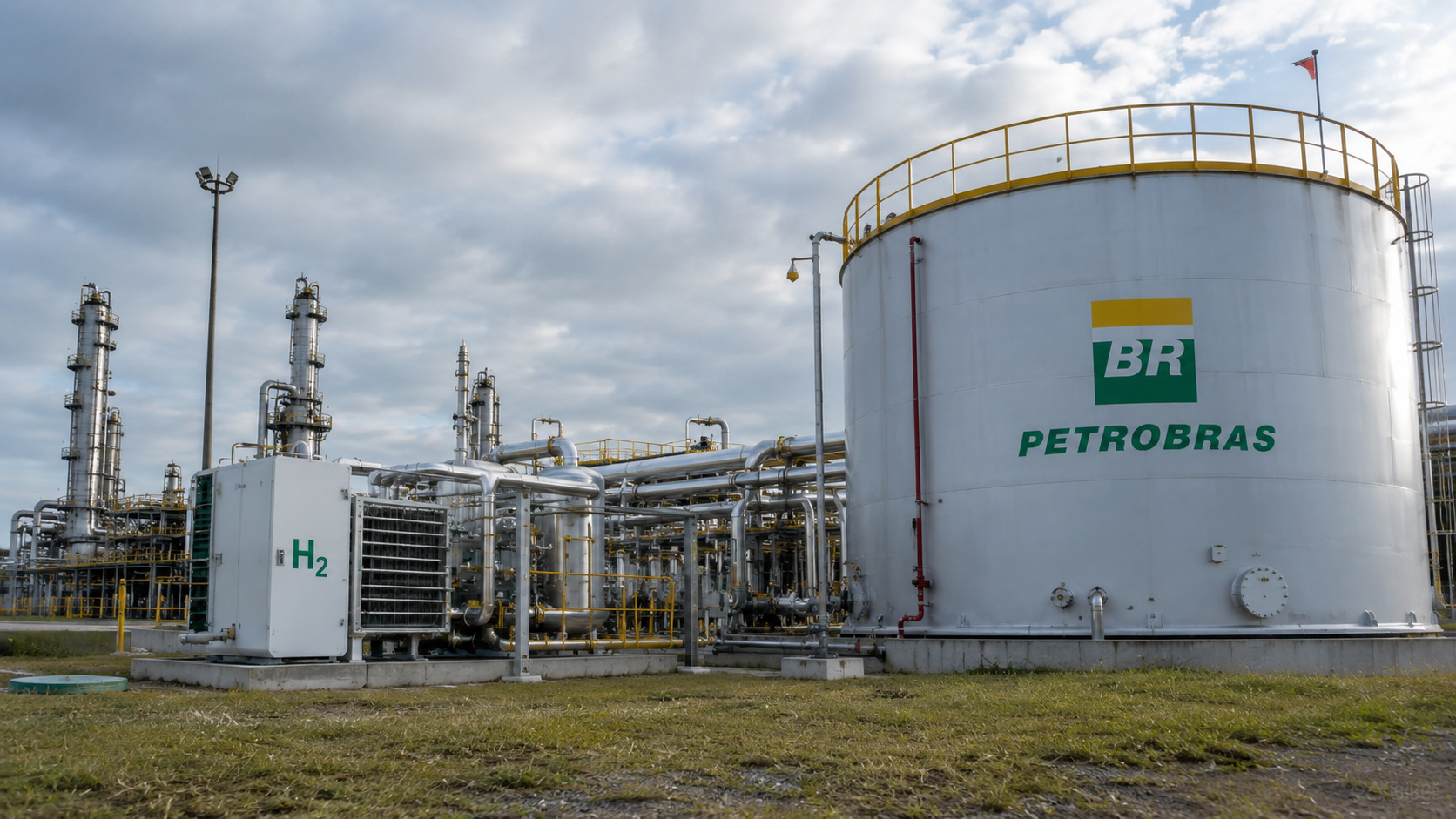
Brazilian scientists are simultaneously advancing two research projects on clean hydrogen and driving solutions that could transform the energy matrix, enhance industrial competitiveness, and accelerate large-scale emission reduction targets.

-
Advancement in renewable energy: A R$ 150 million project launched by Petrobras and Finep aims to create state-of-the-art electrolyzers for green hydrogen, strengthening national research and preparing Brazil to compete in a billion-dollar energy market.
-
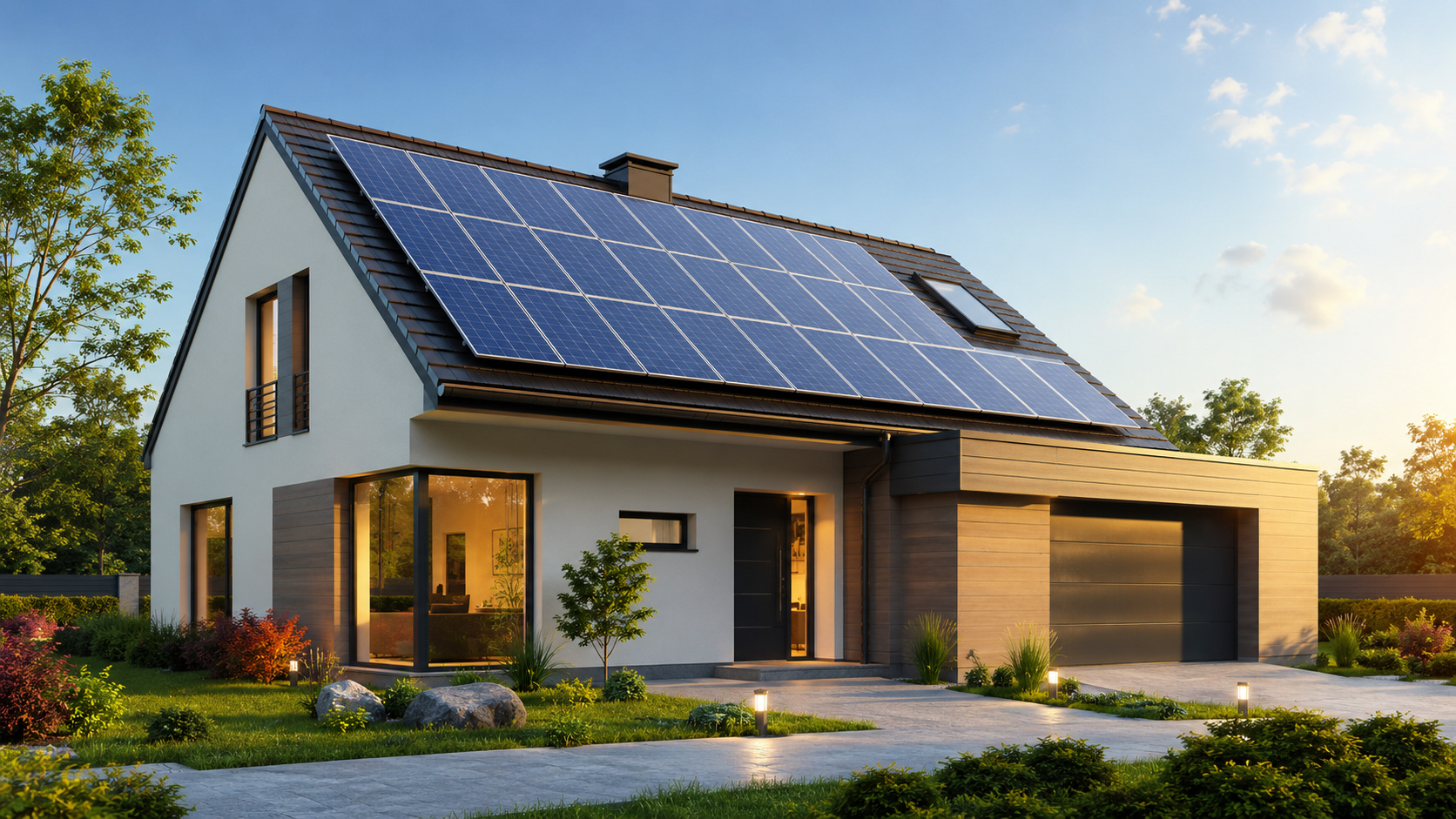
Solar energy can increase property value by up to 10% and become a selling point.
-
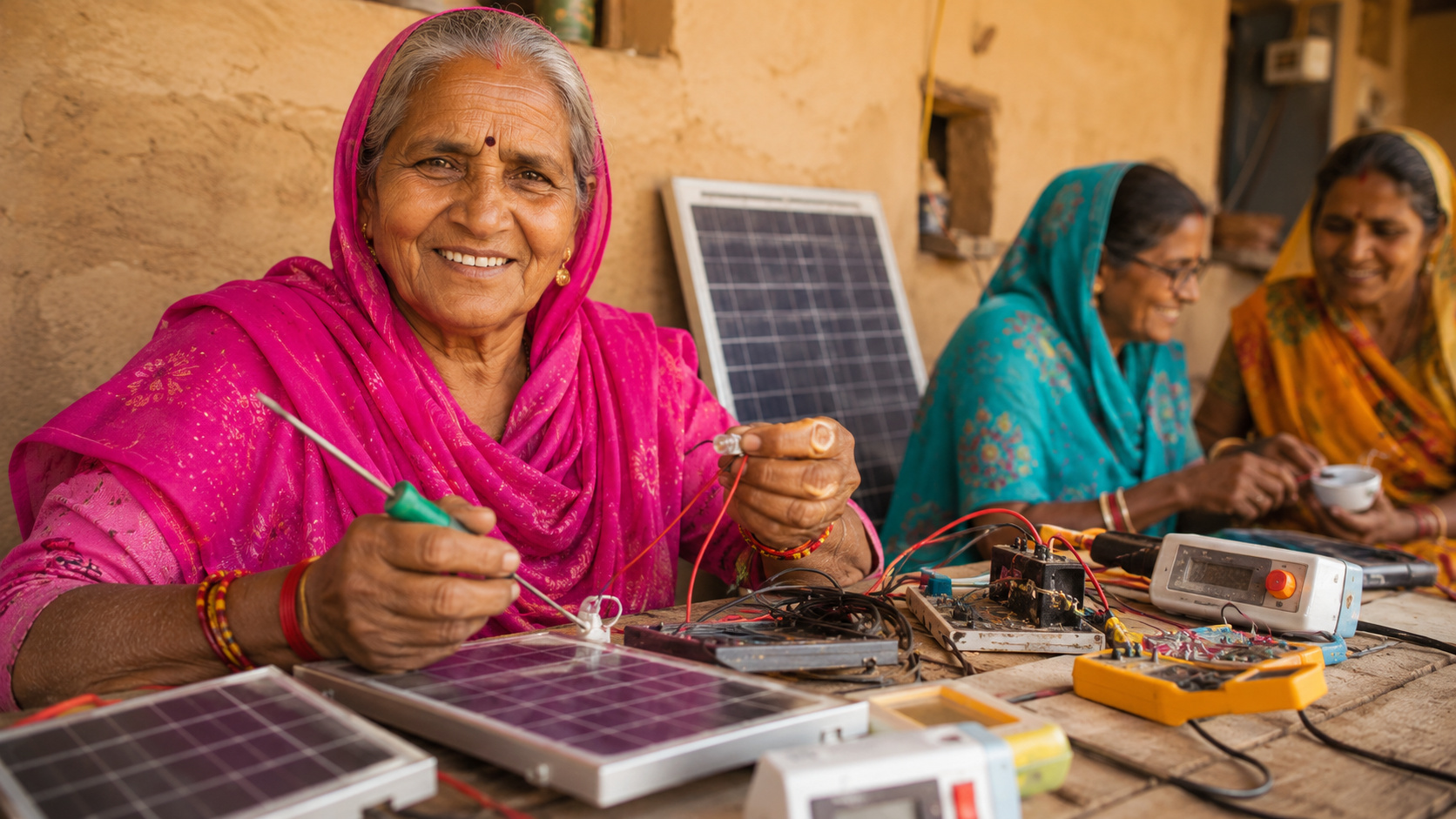
Illiterate or semi-literate grandmothers were trained to repair solar systems, open rural workshops, and light up homes that still depended on kerosene.

It is worth noting that, with the development of recent projects aimed at the solar energy sector, there is a need for constant modernization and renewal in the lines of electricity distribution and transmission. To help this system function, these distribution and transmission lines are mostly made of aluminum cables, representing a significant amount of aluminum consumption.
Furthermore, as is well known, metals like aluminum bring great advantages when used, such as good mechanical resistance, thermal adaptability, lightweight, and good cost-effectiveness. Such advantages are essential in solar energy systems. Moreover, aluminum also shows excellent decorative effects in profiles while boasting outstanding electrical conductivity (in the case of transmission and distribution networks).
Sustainable Consequences of Using Aluminum Applications in the Sector
Investing in renewable sources, such as solar energy, is a growing trend for ecologically correct, sustainable, and environment-protecting programs. Besides sunlight used in solar energy, there are other naturally available sources, such as the wind energy.
In this context, aluminum joins these alternatives, particularly when produced domestically using large amounts of clean energy from hydroelectric plants. Also, aluminum has a high degree of recyclability, benefiting the sustainable characteristics of industries.
The major issue is that the solar sector has secured a promising position in Brazil, as does the aluminum sector, which has attracted investments. The country has been investing in the deep utilization of solar technologies and has access to nearly all renewable sources.
Thus, it is necessary to continue investing in the implementation of aluminum use in photovoltaic electricity production to ensure sustainable benefits and reduce energy consumption. Moreover, it is clear that aluminum can be an excellent component for the solar source sector, given its accessible value compared to other metals and its recyclability, which can lead to increased savings and strong growth in both sectors.








