






 Portuguese
  Spanish
  4 min of reading
  0 comments


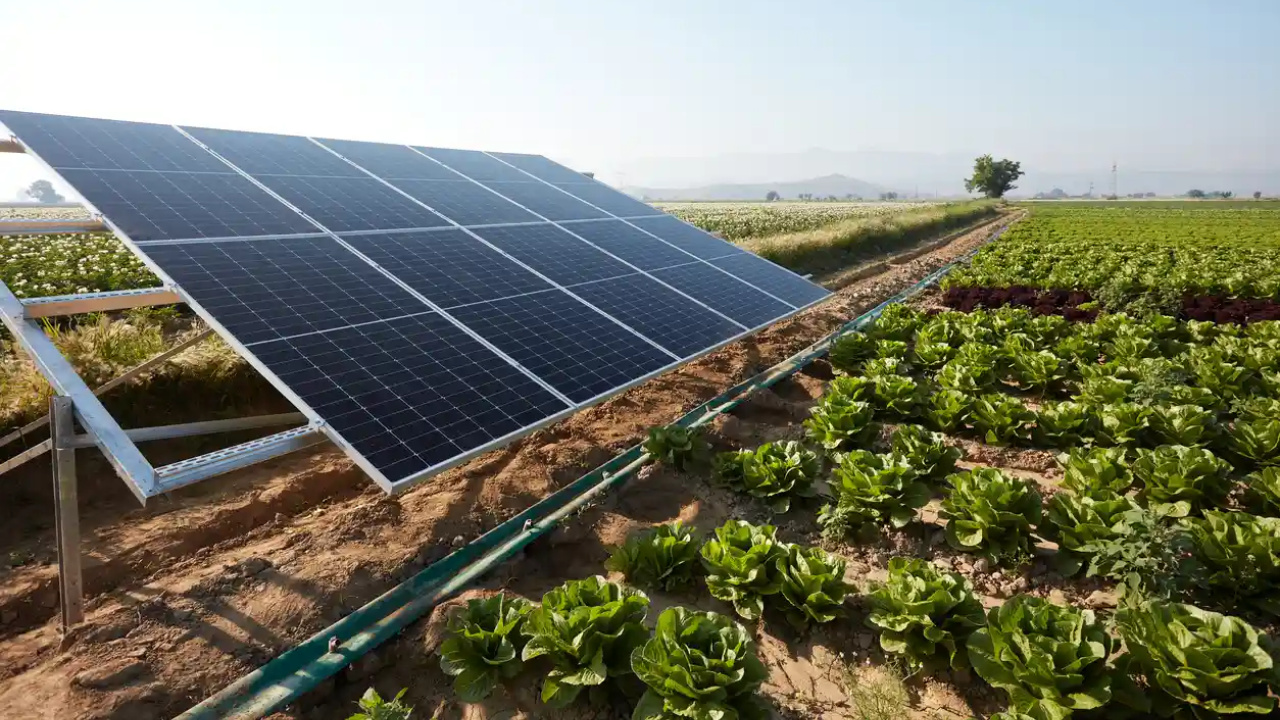
The Advancement of Renewable Energies in Agribusiness in 2026 Marks the Transition to a More Digital, Decentralized, and Efficient Energy Model, Highlighting Storage, Smart Grids, and Hybrid Generation in the Fields.
The year 2026 inaugurates an unprecedented phase in the integration between agricultural production and advanced energy technologies. With competitive pressures, demands for decarbonization, and an increasingly renewable energy-oriented international market, Brazilian agribusiness emerges as a protagonist in a new electrical model.
The transformation is not limited to the adoption of modern equipment. On the contrary: it redefines processes, changes structures, and creates a much more autonomous rural economy.
While Brazil, in 2025, consolidated advances in storage, regulatory flexibility, and gradual opening of the free market, it is in 2026 that these changes materialize as a structural part of the national matrix.
-
Brazilian scientists are simultaneously advancing two research projects on clean hydrogen and driving solutions that could transform the energy matrix, enhance industrial competitiveness, and accelerate large-scale emission reduction targets.

-
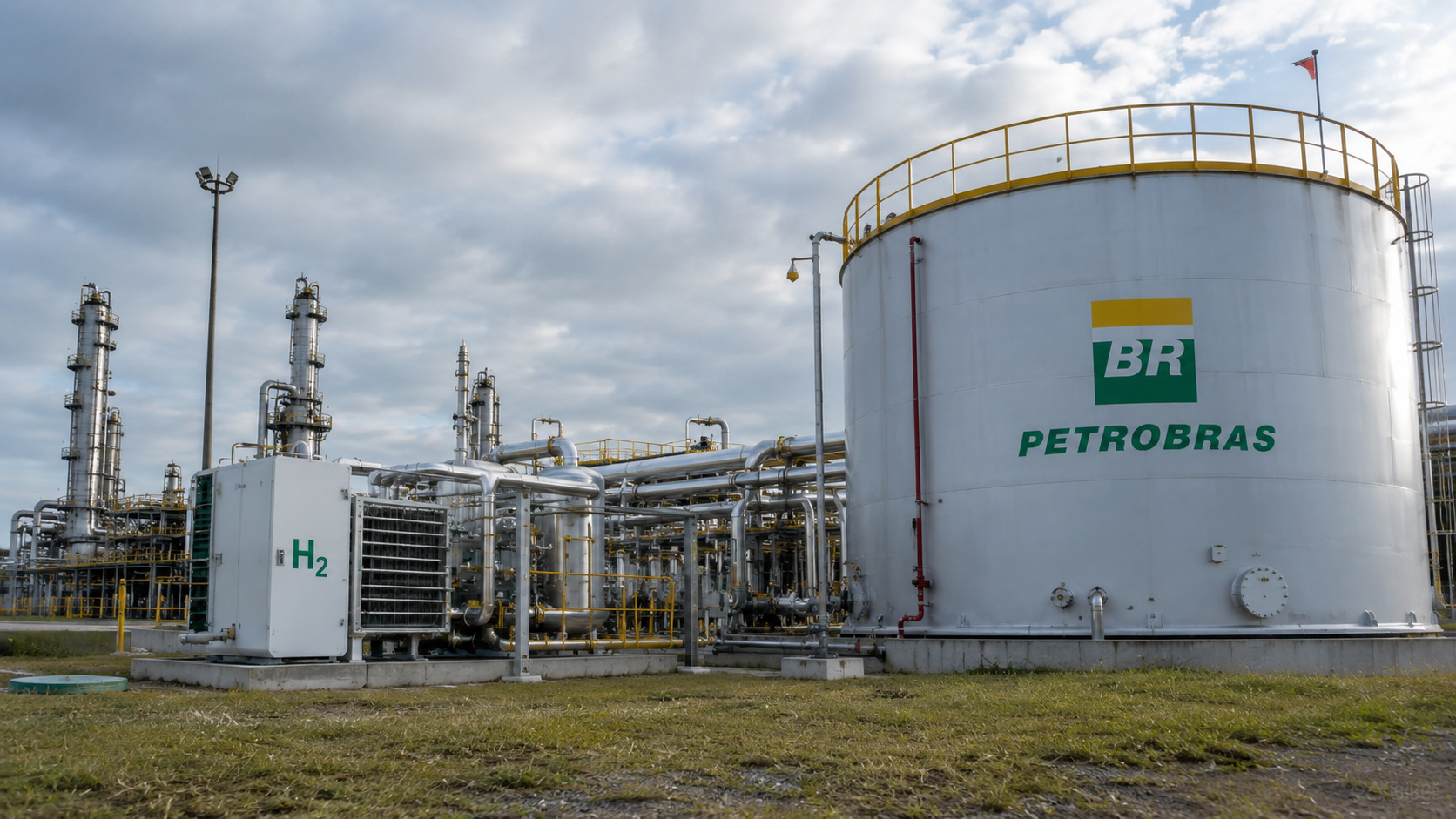
Advancement in renewable energy: A R$ 150 million project launched by Petrobras and Finep aims to create state-of-the-art electrolyzers for green hydrogen, strengthening national research and preparing Brazil to compete in a billion-dollar energy market.
-
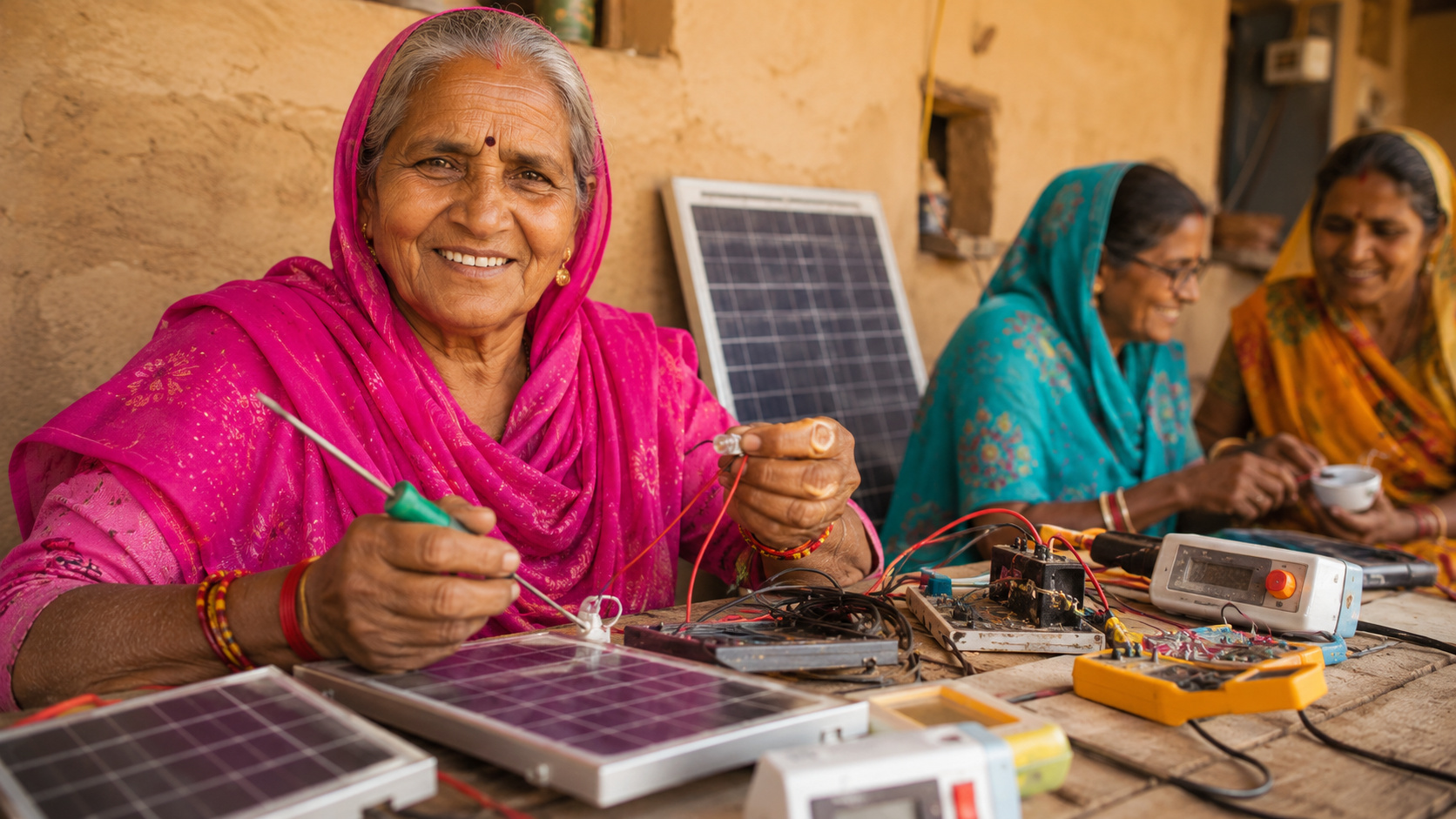
Illiterate or semi-literate grandmothers were trained to repair solar systems, open rural workshops, and light up homes that still depended on kerosene.
-
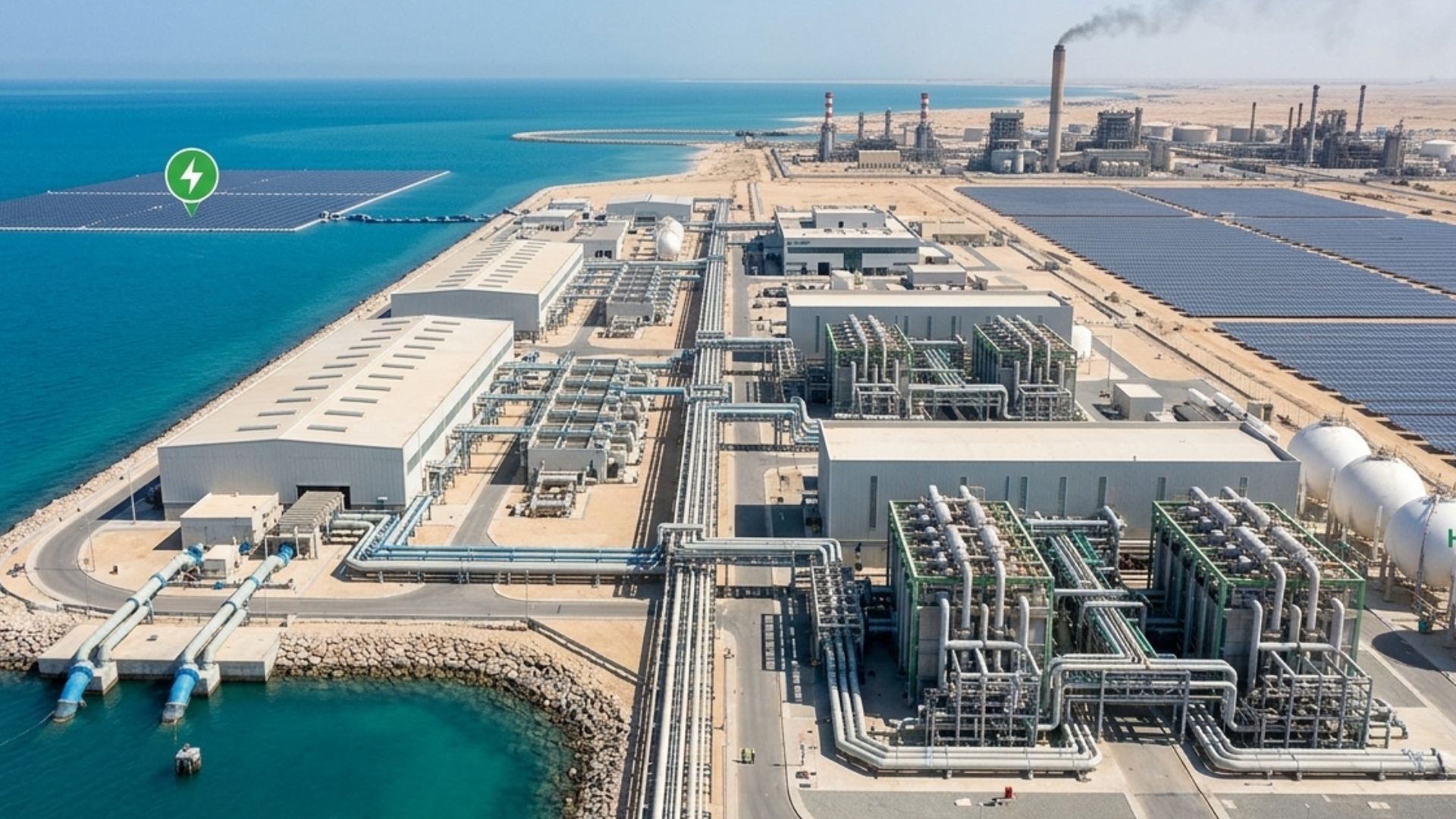
The world has bet on green hydrogen as the fuel of the future, but now faces the side effect: producing 1 kilogram requires about 9 liters of ultrapure water, and the largest projects on the planet are precisely in the driest regions of the Earth, where water is already scarce for people.


Thus, a decentralized, digital energy ecosystem is formed, deeply connected to the fields.
From Excess to Efficiency: How 2026 Reorganizes Energy Intelligence in the Country
In recent years, the country has experienced a significant expansion in electricity supply. According to studies by EPE, generation grew at a pace faster than consumption, which pressured prices and created uncertainties for new investments. However, the year 2026 begins a clear process of rebalancing.
One of the reasons is the commissioning of the first large-scale storage systems (BESS) contracted in the 2025 auctions. Batteries begin to play strategic roles:
– provide ancillary services;
– increase the efficiency of solar and wind parks;
– reduce demand peaks in agribusiness;
– protect production during critical periods;
– store excess distributed generation (GD) for nighttime use.
At the same time, the advanced digitalization of networks brings smart grids into the countryside.
This introduces resources such as dynamic pricing, automatic failure detection, integration between rural micro and mini-grids, and real-time monitoring. For the rural producer, it means more precision, lower costs, and greater operational security.
Total Opening of the Free Market: The Producer Becomes the Manager of Their Own Energy
In 2027, the expectation built in 2025 is expected to materialize: virtually all consumers, including small rural producers, will be able to migrate to the free market.
However, the sector is already preparing for this movement in 2026. Agribusiness begins to operate with personalized contracts and flexible purchasing mechanisms, suitable for different phases of agricultural production.
The opening brings advantages such as:
– acquisition of cheaper energy;
– budget predictability;
– smart strategies with GD credits;
– greater competitiveness in export chains.
Thus, the producer stops being just a consumer. They become an active energy manager.
Technologies Leading in 2026: Renewable Energies as a Pillar of Rural Modernization
Brazilian agribusiness stands out as the fastest sector in adopting technologies related to renewable energies. Below are the solutions that become standard in the year.
Hybrid Generation with Solar + BESS + Smart Diesel
Medium and large farms adopt hybrid systems that combine solar panels, batteries, and diesel generation with optimized management. The logic is simple:
– solar provides energy during the day;
– BESS covers nighttime consumption and critical applications;
– diesel is used only as backup in specific situations.
As a result, properties can reduce costs by up to 40% and achieve expanded operational autonomy.
Irrigation 4.0 Powered by Renewable Energies
Automation is no longer a trend, but a reality. Electric motors connected to GD, batteries, and remote control systems allow for irrigation at the cheapest hours, reducing losses and increasing resilience against extreme weather events.
The practice strengthens as an essential tool for water and energy efficiency.
Electrification of the Agricultural Fleet
The year 2026 marks the arrival of compact electric tractors, hybrid machines for large areas, and solar-powered charging stations.
Thus, electrification advances from urban transport to rural operations, reducing emissions and costs with fossil fuels.
Green Hydrogen in the Fields
Regions with strong wind and solar potential begin to experiment with the use of green hydrogen in long-distance trucks.
At the same time, exporting farms test micro-production of the fuel, while green fertilizers gain strength as a strategic alternative to reduce international dependencies.
In this way, Brazil positions itself as a natural candidate to be a global protagonist in the sector.
New Regulatory Framework Transforms the Competitiveness of Renewable Energies in 2026
The rules established for 2026 create a more transparent and favorable environment for investment. Among the highlights are:
– specific regulatory framework for storage;
– definition of compensation for stored energy;
– standardization of ancillary services;
– appropriate tax treatment;
– expanded participation in the free market.
In the case of distributed generation, the changes are also profound. The creation of rural energy communities, microgrids for small producers, and state incentives for solar projects integrated with BESS gains momentum.
Another decisive point is the adoption of dynamic pricing. With it, producers adjust consumption based on cheap hours, peaks of wind energy, or periods of full reservoirs. The result is savings without loss of productivity.
Total Integration: Energy, Agriculture, and Technology Create a New Rural Ecosystem
The convergence between agribusiness and the energy sector transforms the rural landscape. The operational autonomy of properties grows. Risk decreases. Financial predictability increases. And renewable energies assume a decisive role both in reducing emissions and in strengthening green export chains.
The producer becomes an investor in electrical infrastructure. They become an active agent in the energy transition. And finally, a Brazilian Agroenergetic emerges — marked by a cleaner, smarter, and decentralized matrix.
In 2026, the integration of energy, technology, and agriculture ceases to be a trend and becomes a pillar of the new Brazilian economy.






Be the first to react!