






 Portuguese
  Spanish


The Expansion of Solar and Wind Energy in Brazil Encourages the Generation of Sustainable Jobs; Sector Attracts Professionals Seeking Purpose, Stability, and High Earnings, Especially in Major Centers like São Paulo.
With the expansion of solar and wind energy in Brazil and around the world, the renewable energy sector has become an important source of jobs. For those seeking a career aligned with sustainability and future energy, the options are increasingly varied. According to data from Glassdoor, salaries in São Paulo for some of these positions exceed R$ 10,000 per month.
The growth of this market is directly linked to the global transition to clean sources. In addition to reducing carbon emissions, renewable sources generate jobs in areas such as engineering, installation, research, and public policy formulation. Below, check out seven promising professions for those wanting to work in renewable energies.
Renewable Energy Engineer
Among the most valued positions is that of a renewable energy engineer, responsible for designing and implementing systems that use sources such as solar and wind energy, biomass, and small hydroelectric plants. The professional operates from technical planning to project execution.
-
Brazilian scientists are simultaneously advancing two research projects on clean hydrogen and driving solutions that could transform the energy matrix, enhance industrial competitiveness, and accelerate large-scale emission reduction targets.

-
Advancement in renewable energy: A R$ 150 million project launched by Petrobras and Finep aims to create state-of-the-art electrolyzers for green hydrogen, strengthening national research and preparing Brazil to compete in a billion-dollar energy market.
-
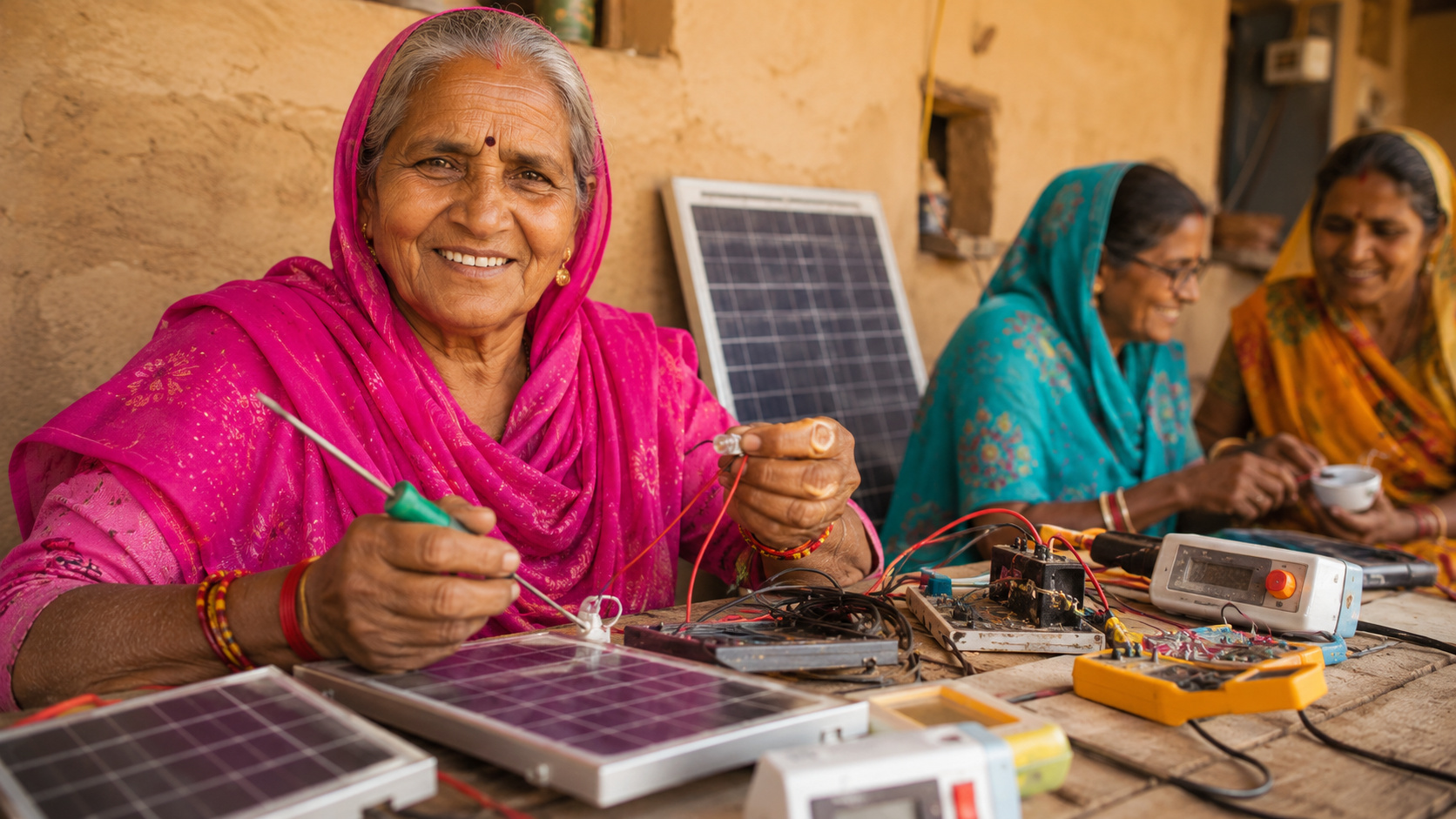
Illiterate or semi-literate grandmothers were trained to repair solar systems, open rural workshops, and light up homes that still depended on kerosene.
-
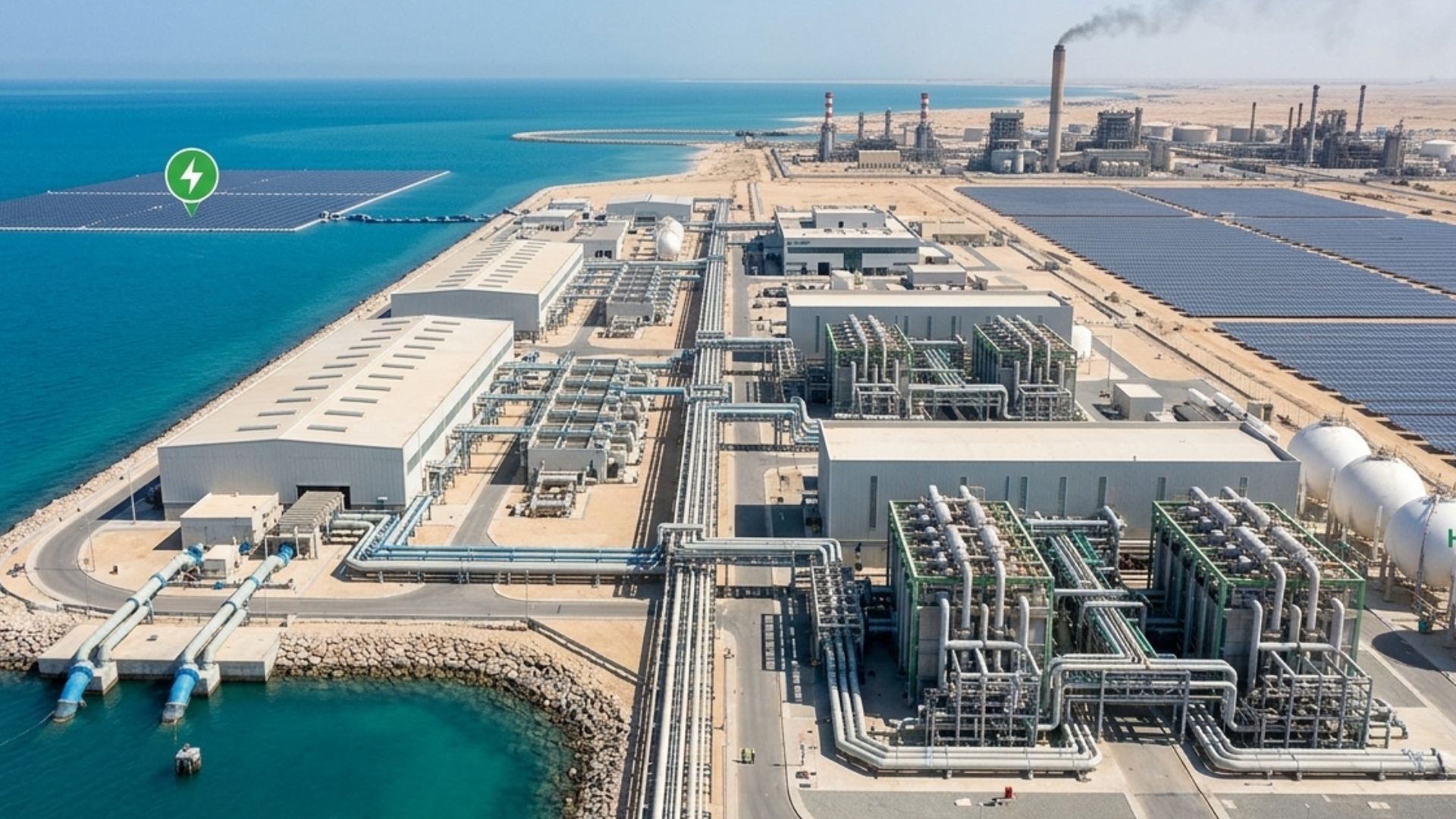
The world has bet on green hydrogen as the fuel of the future, but now faces the side effect: producing 1 kilogram requires about 9 liters of ultrapure water, and the largest projects on the planet are precisely in the driest regions of the Earth, where water is already scarce for people.



The average salary for this profile in São Paulo ranges between R$ 7,500 and R$ 10,000 per month. A degree in engineering and multidisciplinary knowledge in areas such as electrical, mechanical, and environmental are required.


Solar Energy Systems Technician
The expansion of solar energy in Brazil has considerably increased the demand for qualified technicians. These professionals are responsible for installing, inspecting, and maintaining solar panels in homes, businesses, and industries.
Those in this role can earn between R$ 2,500 and R$ 4,000 per month. It is one of the professions with the highest growth in recent years, especially in the Northeast and Southeast regions, where the solar irradiation index is high.
Energy Efficiency Specialist
The energy efficiency specialist works on mapping energy consumption and identifying solutions to reduce waste. Their work is essential in companies seeking to optimize their systems and migrate to renewable sources with a lower environmental impact.
With salaries ranging from R$ 5,000 to R$ 7,000 per month, the professional can work across various segments, from the industrial to the corporate sector, as well as serve as an independent consultant.
Environmental Scientist
The environmental scientist plays a strategic role in ensuring that the impacts of adopting solar and wind energy are minimized on the environment. The professional conducts feasibility studies and monitors the licensing processes of plants.
The average salary in São Paulo ranges from R$ 4,000 to R$ 6,500. This is one of the professions gaining relevance with the advancement of renewables, especially in large-scale projects.
Renewable Energy Project Manager
The project manager coordinates all stages of implementing plants or distributed generation systems. They monitor schedules, budgets, and ensure that technical requirements are met.
With salaries ranging from R$ 8,000 to R$ 12,000, it is one of the key positions in large projects such as wind farms and solar complexes. The role requires experience in management and specific knowledge of the renewable sector.
Public Policy Specialist for Energy
The professional in this area works with public bodies and regulatory entities in formulating laws, incentives, and guidelines for the renewable energy sector. The aim is to promote a legal and institutional environment favorable to the growth of solar and wind energy.
The average salary ranges from R$ 5,000 to R$ 8,000 per month, and the position is usually held by professionals with degrees in social sciences, law, economics, or engineering, with knowledge in energy policies.
Energy Storage Engineer or Researcher
As renewable sources expand, the need to store produced energy also grows. The engineer or researcher in this area develops technologies such as lithium batteries, hydrogen systems, and solutions for the future use of generated energy.
Salaries range between R$ 7,000 and R$ 11,000, depending on specialization. It is a high-demand area linked to the stability of the power grid and the integration of solar and wind energy into the national system.
Working with Renewable Energies: Promising and Expanding Market
The data shows that working with renewable energies is no longer a future trend but a present reality. With consistent growth, the sector has become one of the main drivers of generating qualified jobs in the country.
In addition to the seven professions listed, other functions are emerging in areas such as environmental communication, remote maintenance, energy modeling, and operation of intelligent systems. The multitude of opportunities shows that the renewable market is accessible for diverse profiles, with or without prior technical training.
Solar and Wind Energy Drive Transformation in Brazil
Brazil is one of the countries with the greatest potential for renewable sources, especially solar and wind energy. The Brazilian electrical matrix already has more than 22% of installed capacity from these two sources, and the expectation is for continuous growth.
As a result, the number of professionals involved in generation, distribution, analysis, and regulation projects is expected to increase in the coming years. Public programs and private initiatives have also encouraged the training of specialized labor to meet the demand.
Source: Exame





