






 Portuguese
  Spanish



According to the government, the intention is to reduce poverty in the country by authorizing the economic exploitation of all 22 national conservation units in Bolivia.
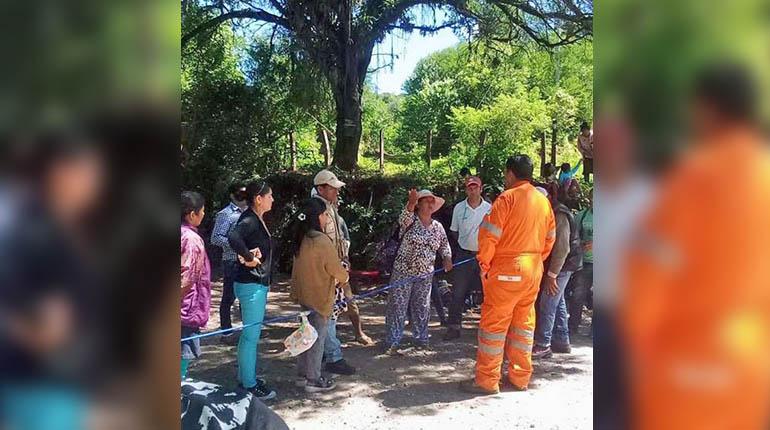
Members of the Tariquía community, Indigenous people, and environmental activists blocked the entrance of personnel and machines from Petrobras of Brazil, a company that wanted to start exploration work for oil within the natural reserve and high biodiversity in Bolivia.
As a member of the Tariquía Environmental Defense Coordination, Lourdes Zutara, said that the blockade started yesterday in Chiquiacá, with 30 to 40 people from five communities in the area preventing Petrobras from entering. “We are just preventing this company from entering. The rest of the people can enter normally,” she said in a phone contact.
On March 28, 2018, the Chamber of Deputies approved three bills for the exploration and exploitation of hydrocarbons in the areas of San Telmo Norte and Iñuguazú, located in the protected area of Tariquía in Tarija.
-
Lenovo Unveils Legion Y700 Tablet with RGB Backlighting, 5G, and SIM Card Support
-
Lenovo Unveils Legion Y700 Tablet with RGB Backlighting, 5G, and SIM Card Support
-
Northern Brazilian City Prepares Task Force to Mitigate El Niño Impacts with Stockpiled Fish, Drone Monitoring, Firefighting, and Water Supply Reinforcement in Remote Areas

-
Brazil to Issue “Panda Bonds” in China, Aiming to Raise Up to 5 Billion Yuan at Lower Interest Rates Than Dollar Debt

Zutara also said that in the coming days, a commission will join the Indigenous march this week that left Sucre for the city of La Paz.
Environmentalists Warn
Among the conservation units that may face the greatest impact are some of the areas with the highest biodiversity on the planet, including the Isiboro Sécure National Indigenous Territory (Tipnis), the Tariquía National Park in Tarija, and the Madidi National Park. The latter, for example, is home to 11% of the bird species on the planet, according to data from the Bolivian park management agency, SERNAP, and the American NGO Wildlife Conservation Society. Many of these areas are occupied by Indigenous communities.
According to the Bolivian government, the intention is to reduce poverty in the country by authorizing the economic exploitation of all 22 national conservation units in Bolivia.







