Portuguese
  Spanish


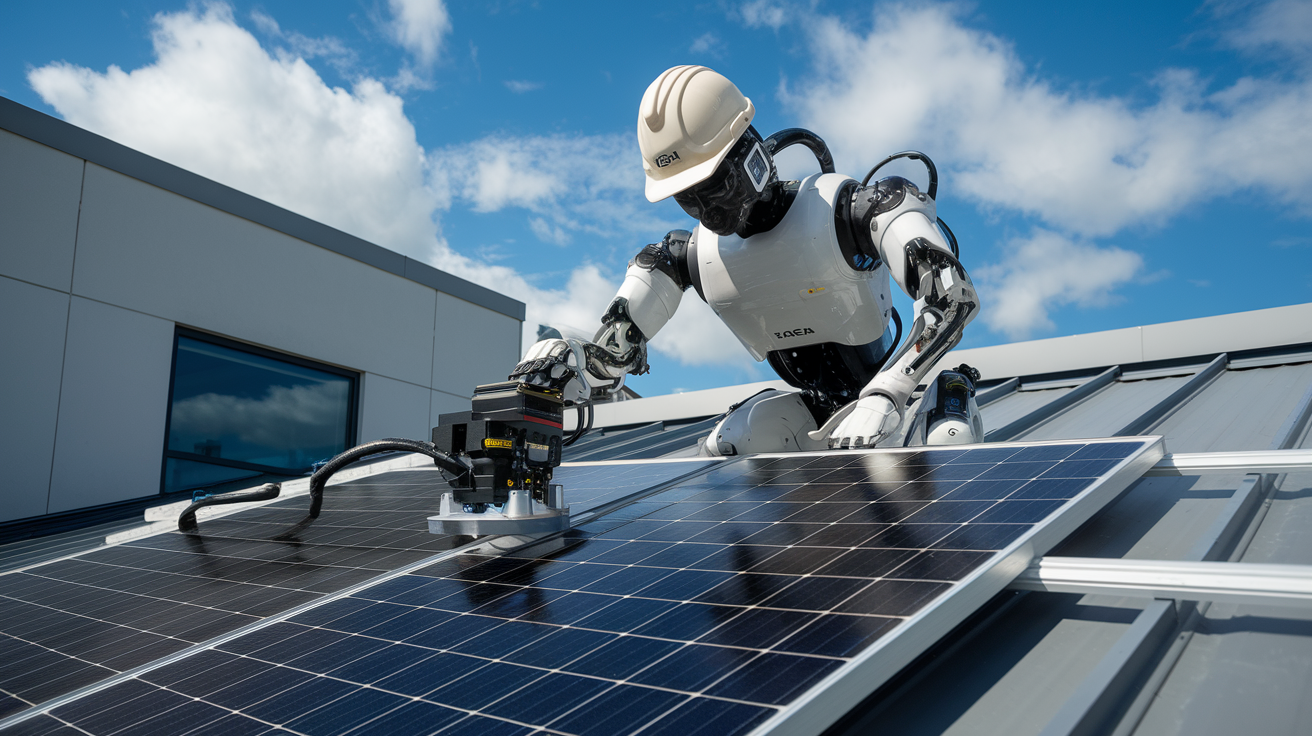


Technology Accelerates Solar Panel Installation! The Automated Robot Promises to Reduce Costs, Optimize Sustainable Projects, and Boost Efficiency in Large-Scale Renewable Energy Generation.
ULC Technologies, in partnership with Rosendin, has developed an innovative robotic system that could change the way solar panel installation is performed. With the ability to install 600 panels in just 10 hours, this ultrafast robot is driving efficiency in solar energy and promoting more sustainable solutions.
Advanced Technology for Solar Panel Installation Improves Safety and Productivity
The system includes three autonomous robots: one Panel Setting Robot and two Panel Carrier Robots. The first is responsible for the semi-autonomous installation of solar panels, while the other two transport pallets of panels from the loading area to the installation site. This process ensures a continuous workflow, eliminating breaks and increasing productivity in the renewable energy sector.
Ali Asmari, Project Management Director of R&D at ULC Technologies, highlighted the synergy between humans and machines: “The Panel Setting Robot positions the solar panels, and human operators finalize the installation with hardware and electrical connections. The Panel Carrier Robots ensure that the panels reach the site without interruptions.”
-
Brazilian scientists are simultaneously advancing two research projects on clean hydrogen and driving solutions that could transform the energy matrix, enhance industrial competitiveness, and accelerate large-scale emission reduction targets.

-
Advancement in renewable energy: A R$ 150 million project launched by Petrobras and Finep aims to create state-of-the-art electrolyzers for green hydrogen, strengthening national research and preparing Brazil to compete in a billion-dollar energy market.
-
Solar energy can increase property value by up to 10% and become a selling point.
-
Illiterate or semi-literate grandmothers were trained to repair solar systems, open rural workshops, and light up homes that still depended on kerosene.



Robot Efficiency in Solar Panel Installation Brings Sustainable Benefits
The impact of this technology on the solar energy sector is significant. Field tests have shown that the robots can install solar panels at a speed of less than one minute per unit. This speed allows for reduced construction timelines and improves efficiency in renewable energy generation.
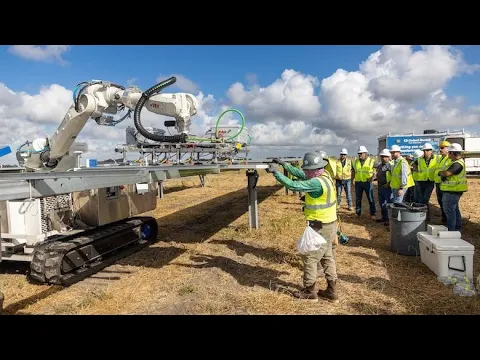

These robots are designed to operate under adverse conditions, such as high temperatures and uneven terrain, including muddy and sloped surfaces. This adaptability ensures that solar panel installation can be carried out on various types of terrain without compromising efficiency and safety.
Renewable Energy Gains New Momentum with Automata That Accelerate Solar Installation
Traditional solar panel installation requires significant manual effort. In large-scale solar parks, where more than a million solar panels are needed, human labor can become extremely exhausting. Each panel can weigh between 36 to 45 kg, making installation a logistical and physical challenge.
The robotic technology developed by ULC Technologies comes as a viable solution to mitigate these challenges. The shortage of skilled workers for solar panel installation is an issue that the International Renewable Energy Agency (IRENA) has highlighted as one of the main obstacles to the growth of solar energy. With the automation of this process, companies in the sector will be able to scale their installations more quickly and efficiently.
Is the Future of Solar Energy in the Automation of Large-Scale Installations?
The advancement of solar panel installation robots represents a crucial step for the expansion of renewable energy. The ability to install solar panels with greater speed, safety, and precision paves the way for a future where solar energy generation becomes even more accessible and sustainable.
With a development time of only 18 months, this technology has already demonstrated its viability in practical tests. The renewable energy sector can greatly benefit from these innovations by reducing operational costs, increasing production, and ensuring a faster and more effective energy transition.
The revolution in solar panel installation is just beginning, and robots may be the key to a cleaner and more efficient future in renewable energy production.