






 Portuguese
  Spanish
  2 min of reading
  0 comments


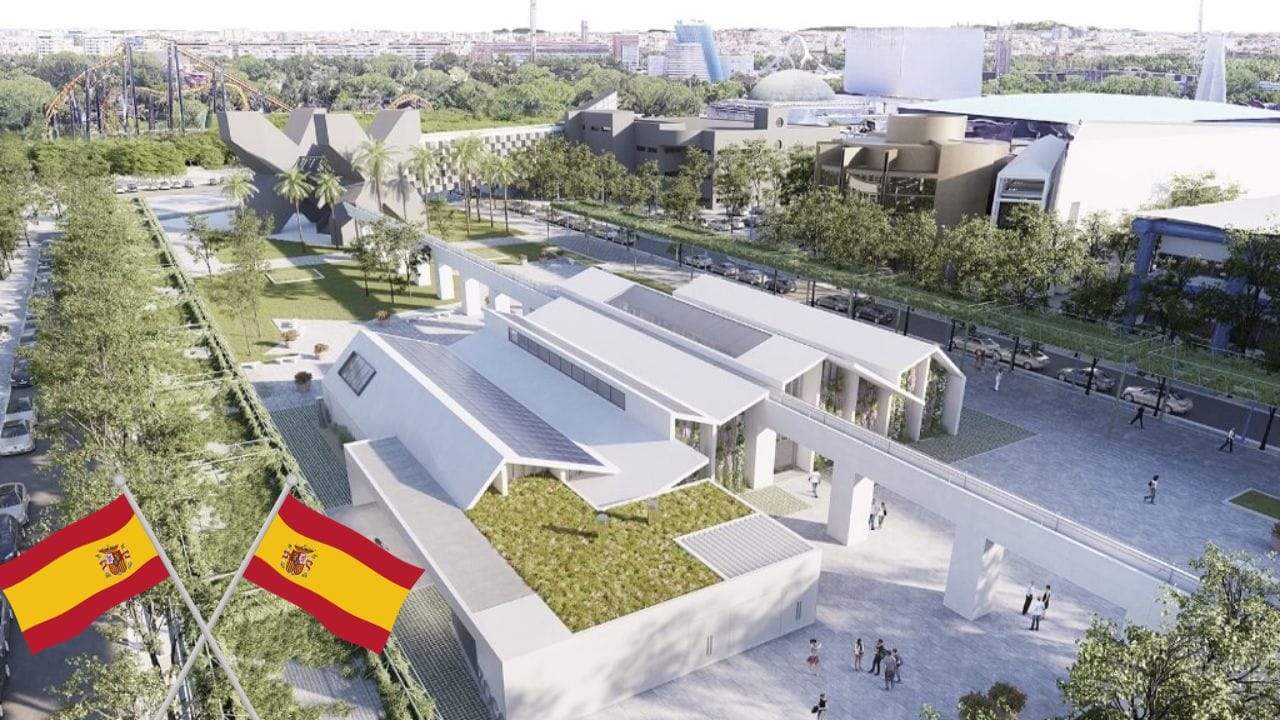
Seville, The Capital Of Andalusia In Spain, Known As The Hottest Region In Europe, Is Adopting An Innovative Approach To Tackle High Temperatures Inspired By Ancient Persian Techniques.
Seville, in Spain, is famous for its historic architecture and flamenco music, but it is also known for extreme heat. With temperatures exceeding 40 degrees Celsius, even before summer, the city faces public health risks and tourism challenges. Global warming only exacerbates the situation, making it imperative to find effective solutions.
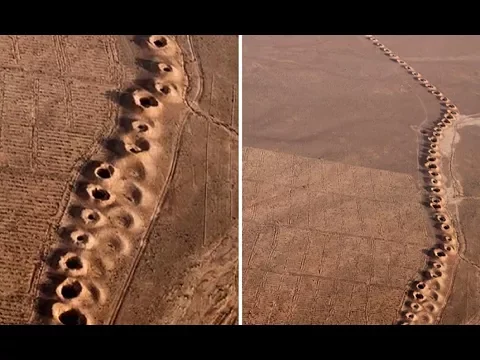
Drawing inspiration from the qanats of ancient Persia, Seville is implementing a subterranean air conditioning system with a modern touch of renewable energy. This system, called CartujaQanat, aims to cool public spaces using minimal energy.

How It Works
The CartujaQanat project, a collaboration between several organizations, including the city hall and the University of Seville, utilizes underground channels filled with water next to the Zoco conference center. Hot pipes are cooled by the water and then distribute cool air through the floor and under the lower conference seats. The system is complemented by an evaporative cooling system and solar panels to further reduce temperature and reliance on conventional energy.
-
While scientists test giant balls on the seabed, a startup wants to sink concrete and steel tanks held by cages filled with stones up to 700 meters deep to transform compressed air into an invisible underwater battery.

-
Former NASA engineer transforms drones into “seed helicopters” capable of firing 300 balls per minute, targeting degraded areas with half-meter precision, and planting up to 40 million trees per year in a new race for aerial reforestation.

-
The La Galerie Nortis, a real estate launch by developers Cyrela and Nortis in Moema, São Paulo, arrives with apartments featuring 4 suites ranging from 283 to 416 square meters, an estimated gross development value of R$ 765 million, and the proposal to redefine the high standard in the region.

-
Brazil deploys drones to scatter seeds on nearly inaccessible slopes and attempts to transform degraded hills into forests with aerial planting up to 100 times faster, in a green offensive launched in Rio de Janeiro.




Historical Background
The chosen site for the project is an area that once hosted a world expo, the Expo ’92. This expo was an international festival of cultural and technological achievements, and now it is helping in the transformation of the city.
Although inaugurated in October 2022, the project faced several setbacks, including issues with the irrigation system and rising costs. The expectation is that all obstacles will be overcome by the end of 2024, allowing the residents of Seville to finally enjoy the benefits of the project.
Potential Impact
Although it is a small-scale solution for a city the size of Seville, Spain, the project demonstrates how rising temperatures can be addressed with a combination of old and new methods. The initiative, primarily supported by the European Union, may serve as an example for other cities facing similar challenges due to climate change.
Seville is at the forefront of innovative approaches to deal with extreme heat, combining ancient wisdom with modern technology. This project not only promises to improve the comfort of local residents and tourists but also highlights the importance of sustainable and creative solutions in addressing climate change.






Be the first to react!