Portuguese
  Spanish


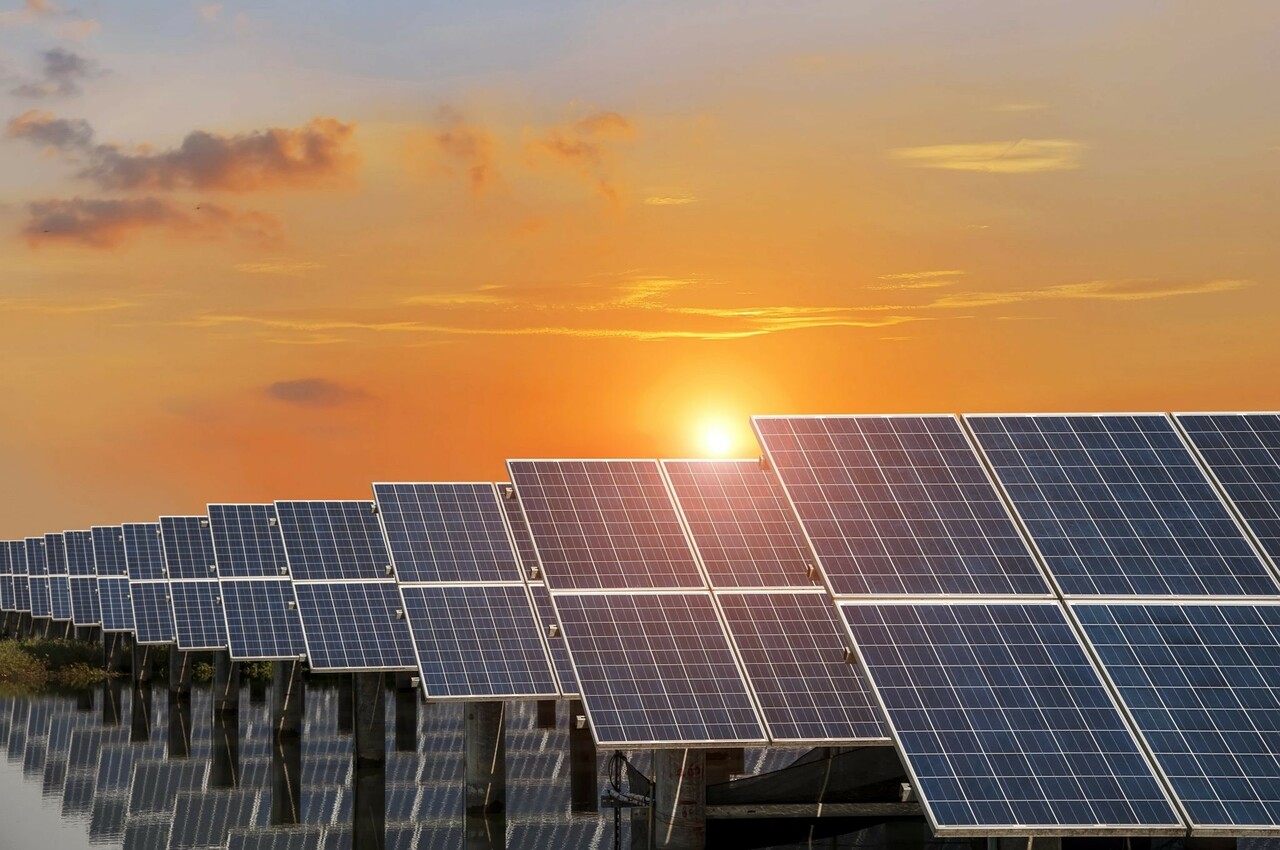

The Study By Solar Energy Experts Predicts That Capacity In The Global Electricity Sector Will Triple By 2050.
All this increase in electric and solar energy, and more, will be achieved through renewable energies, which will grow rapidly until 2050, according to experts from Starkraft. The report forecasts average annual growth in solar energy generation of 12%, while wind energy generation will increase by more than 8% annually. Meanwhile, electricity generation will grow more slowly compared to other sources, with a projected average of 1.5% per year.
Read Also
Emerging Markets Beyond Solar Energy
In addition to solar energy and electricity, Natural Gas, a widely used source in countries like the USA and Russia, is expected to grow by 39.47% in its installed capacity during the same period, rising from 1.9 TW to 2.65 TW. However, the IEA estimates that the largest growth will be led by photovoltaic solar energy generation, which is expected to reach a global installed capacity of 3.142 TW by 2035, experts have stated.
The volume will be greater than any other current source, renewable or not, including wind, hydropower, natural gas, and coal. Based on the current trend, the experts’ study states that alternative energy sources will continue to dominate the growth of global electricity generation, accounting for 2/3 of the 8.5 TW of new capacity set to be installed by 2040.
-
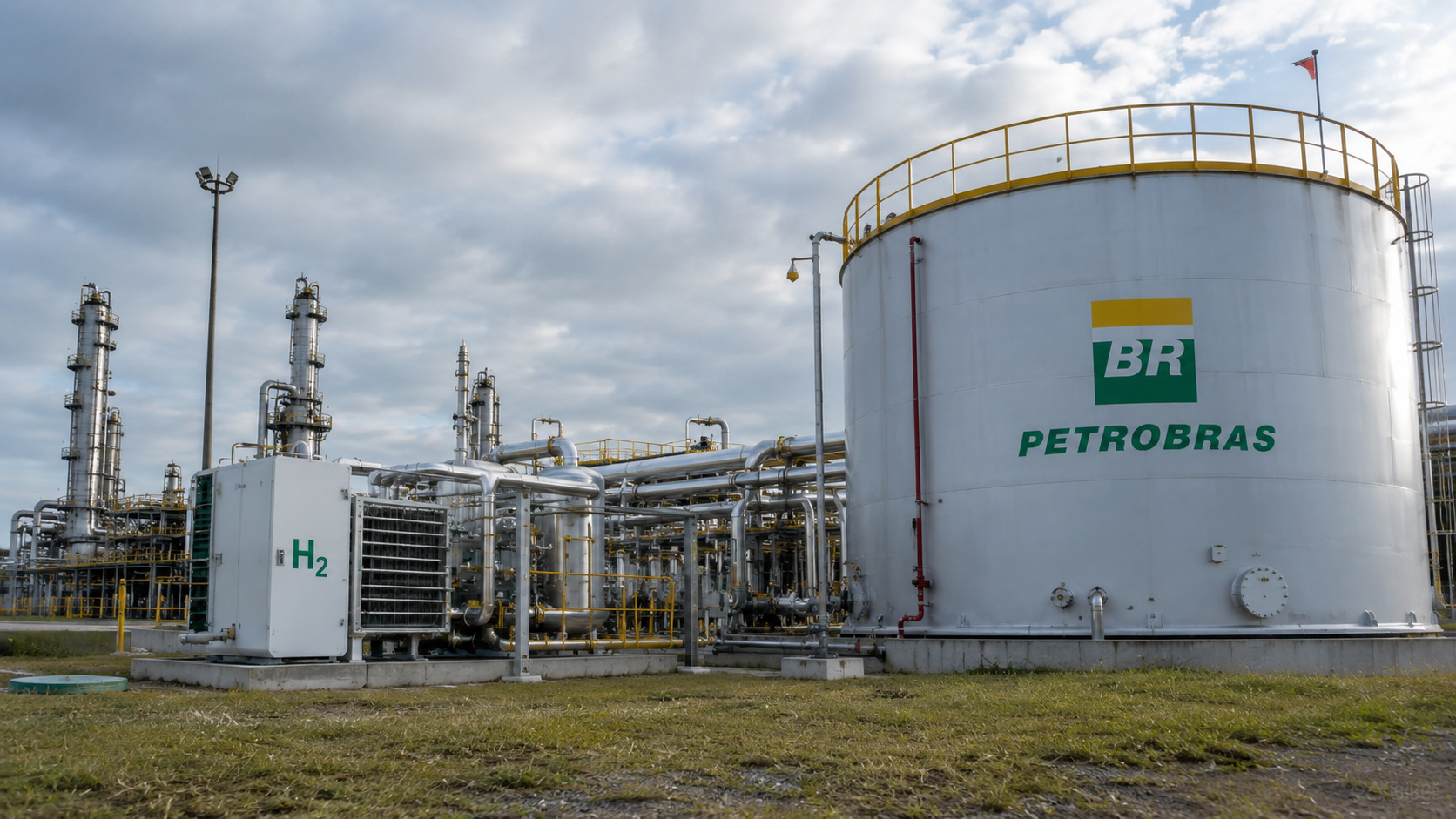
Brazilian scientists are simultaneously advancing two research projects on clean hydrogen and driving solutions that could transform the energy matrix, enhance industrial competitiveness, and accelerate large-scale emission reduction targets.

-
Advancement in renewable energy: A R$ 150 million project launched by Petrobras and Finep aims to create state-of-the-art electrolyzers for green hydrogen, strengthening national research and preparing Brazil to compete in a billion-dollar energy market.
-
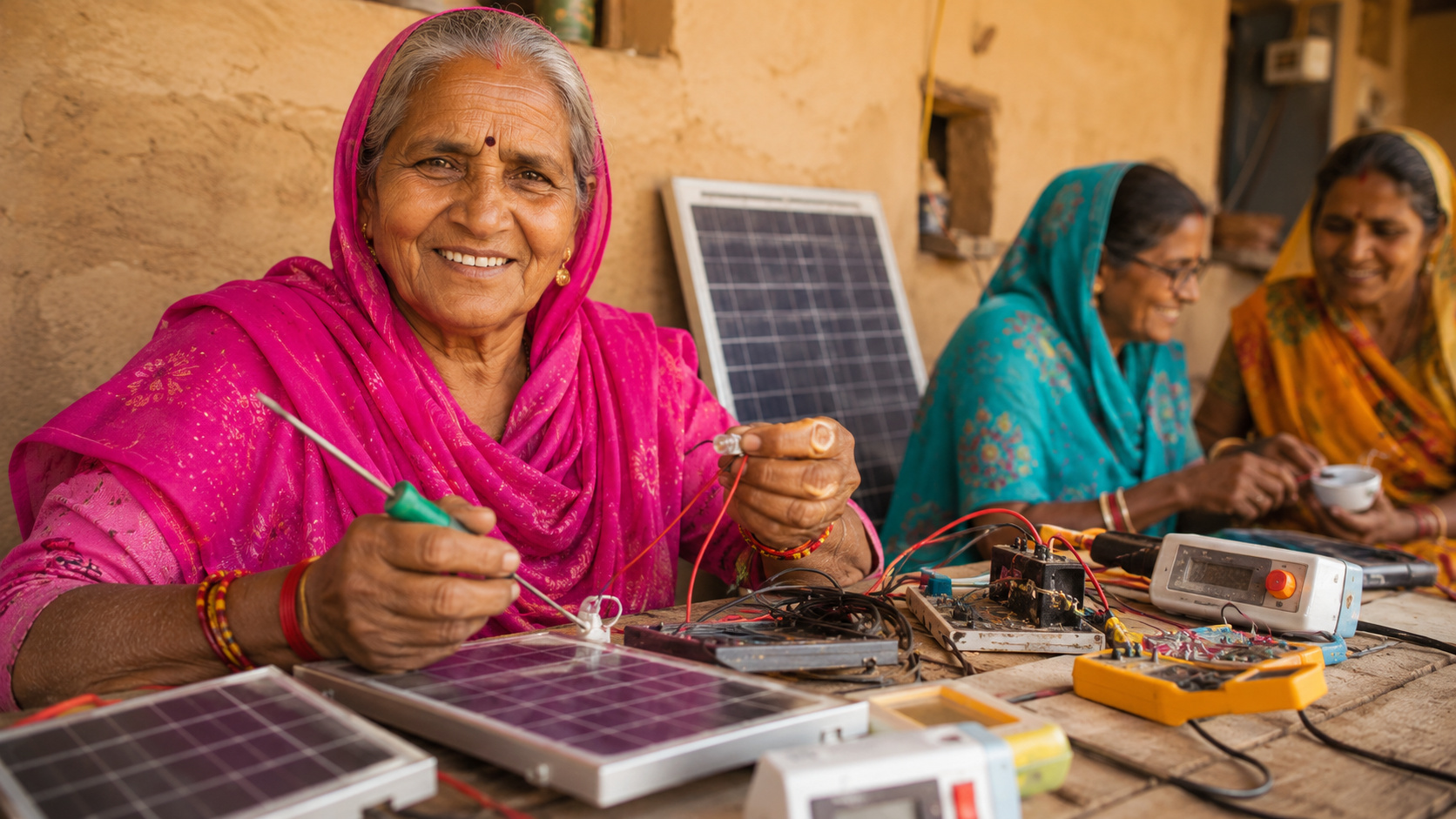
Illiterate or semi-literate grandmothers were trained to repair solar systems, open rural workshops, and light up homes that still depended on kerosene.
-
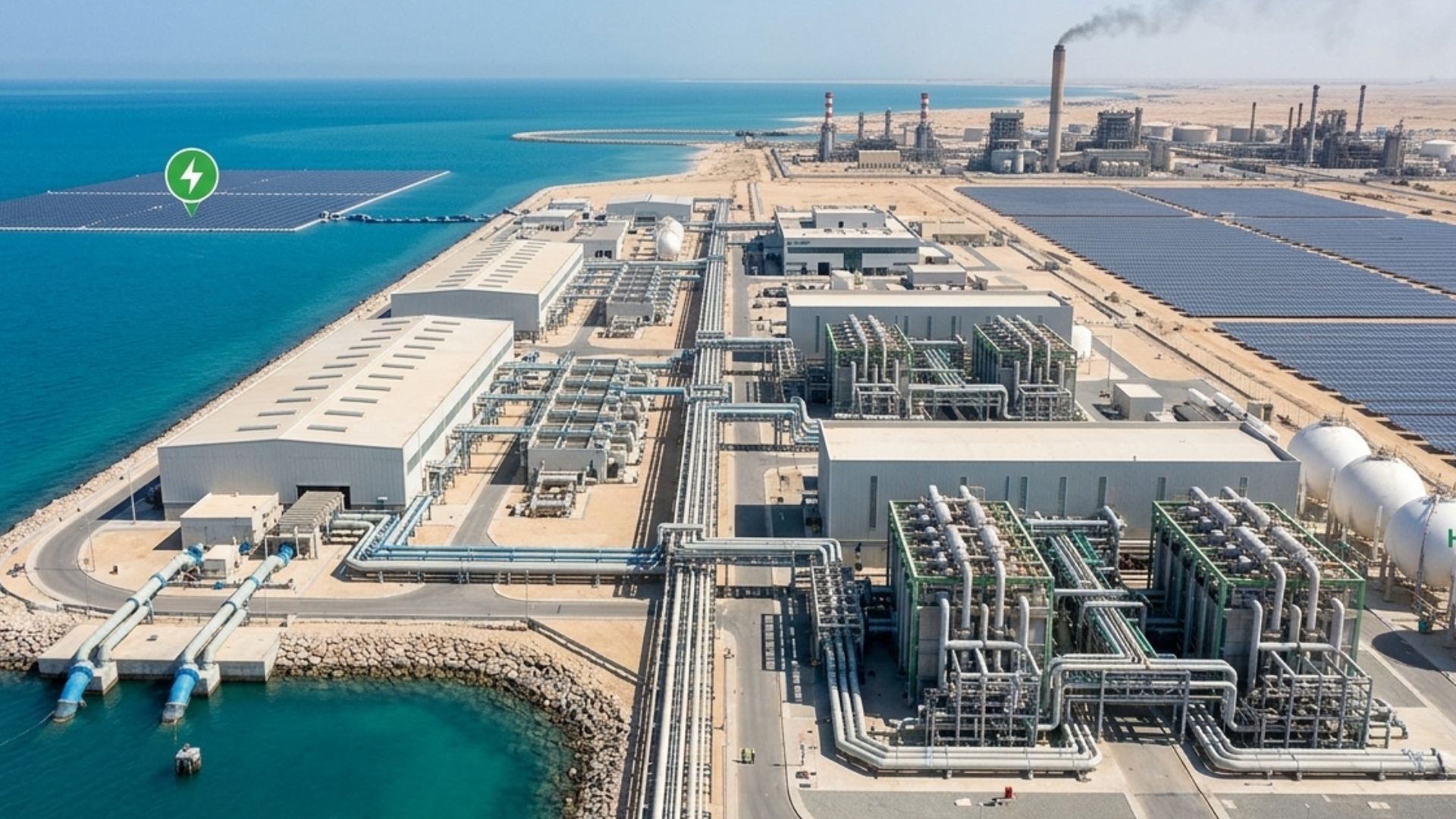
The world has bet on green hydrogen as the fuel of the future, but now faces the side effect: producing 1 kilogram requires about 9 liters of ultrapure water, and the largest projects on the planet are precisely in the driest regions of the Earth, where water is already scarce for people.

Concentrated And Controlled Growth
This growth of solar energy and electricity will not be uniform but concentrated in countries like China and the European Union (EU), which are expected to have up to 80% of their electricity matrices from clean energy sources, while in the rest of the world, they will account for less than half of the generation.
Investments in renewables, including solar and wind energy, which amounted to US$390 billion last year, are expected to remain around US$440 billion until 2030, the IEA suggests, below the US$650 billion needed to meet global electricity sector sustainability targets.