Portuguese
  Spanish


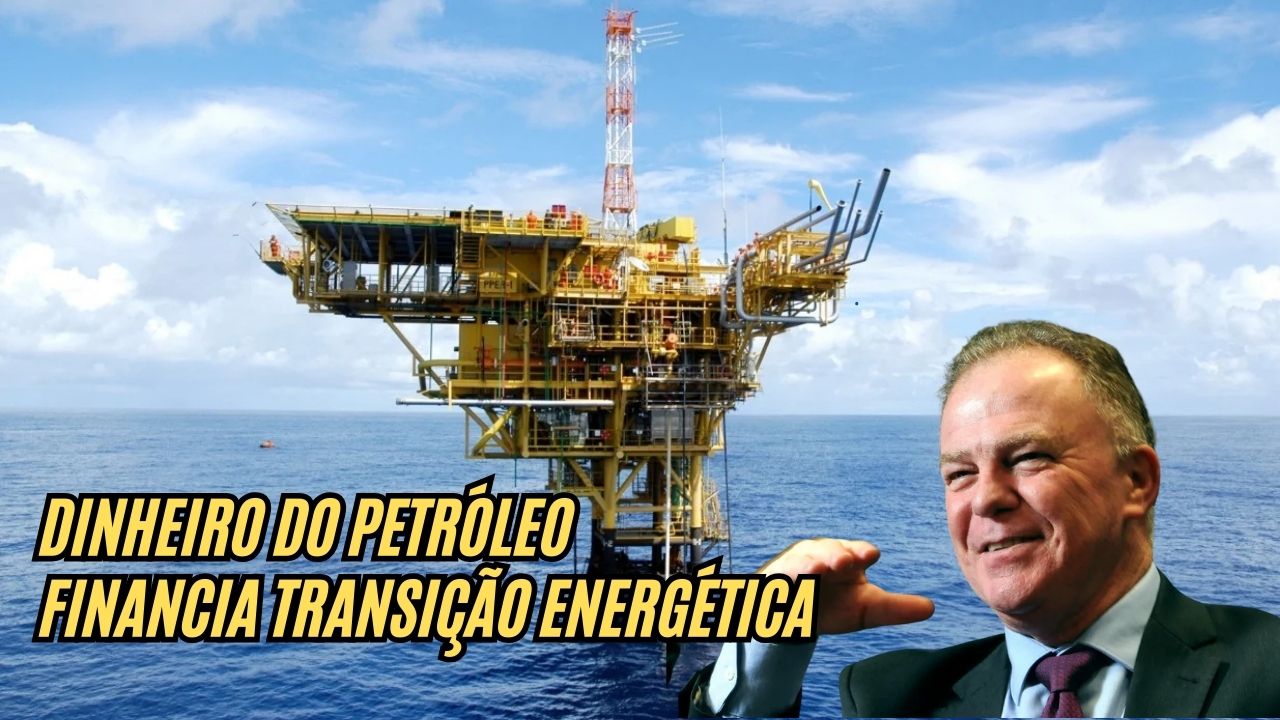

Espírito Santo Allocates Oil Resources to Finance Energy Transition and Decarbonization Projects
The governor of Espírito Santo, Renato Casagrande (PSB), announced that the State will invest R$ 500 million in energy transition projects, funded by resources from oil royalties. This amount is part of the Sovereign Fund, created specifically to direct resources to companies that adopt good socio-environmental practices and to encourage innovation.
The announcement took place this Thursday (14), on the last day of COP29, held in Baku, Azerbaijan, where leaders discussed measures to combat climate change.
The Sovereign Fund of Espírito Santo is unique in Brazil in using oil money to foster sustainability initiatives. With a possible increase in the amount, the funds allocated could reach R$ 1 billion, thanks to a partnership with the National Bank for Economic and Social Development (BNDES).
-
Oil production grows in Rio, but reserve replacement raises a warning sign

-
Petrobras is expected to complete the drilling of the Morpho well in the Foz do Amazonas in August 2026, the first well in the Equatorial Margin, an oil frontier that the ANP estimates at more than 30 billion barrels and could redraw the map of Brazil.

-
Oil returns to the center of concerns with tension between the US and Iran

-
IEA reduces forecast for global oil demand in 2026 after impacts of the Middle East crisis



R$ 500 Million from Oil
The collaboration, mediated by the Development Bank of Espírito Santo (Bandes), opens doors for an injection of an additional R$ 500 million into industry and sustainable infrastructure sectors.
These energy transition projects will focus on strategic areas such as the use of renewable energy sources, increased energy efficiency, and the replacement of fossil fuels with more ecological options.
This initiative is part of Espírito Santo’s 2023 Decarbonization Plan, which aims to reduce greenhouse gas (GHG) emissions in the State and strengthen the sustainable economy.
Espírito Santo as a Reference
For the president of Bandes, Marcelo Saintive, the investment could represent a turning point in the local energy landscape. “The establishment of this partnership for, potentially, R$ 1 billion in decarbonization projects reflects the urgency of global investments in sustainability and reinforces Espírito Santo as a reference in the transition to a sustainable and resilient economy.”
With this measure, Espírito Santo aims not only to reduce its carbon footprint but also to attract investors who promote a greener economy and boost the development of energy transition projects in Brazil.