





 Portuguese
  English
  Spanish
  4 min of reading
  0 comments



With Energy Generated by Itaipu and Rates up to Four Times Lower Than in Brazil, Residents of Paraguay Enjoy Constant Comfort, Electricity Bills of R$ 50, and Even Free Water in Some Cities.
The report from digital influencer Lu Sales, who lives in Paraguay, sparked curiosity by showing that even with the air conditioning on all day, her monthly electricity bill does not exceed R$ 50.
The Instagram post gained attention among Brazilians, who compared the amount with the rates charged in Brazil — where the same consumption could easily exceed R$ 300. But what explains such a difference?
The Paraguayan Energy Structure
Paraguay is one of the most privileged countries in the world in renewable electric generation. Thanks to the hydroelectric plants of Itaipu, built in partnership with Brazil, and Yacyretá, in partnership with Argentina, the country produces much more energy than it consumes.
-
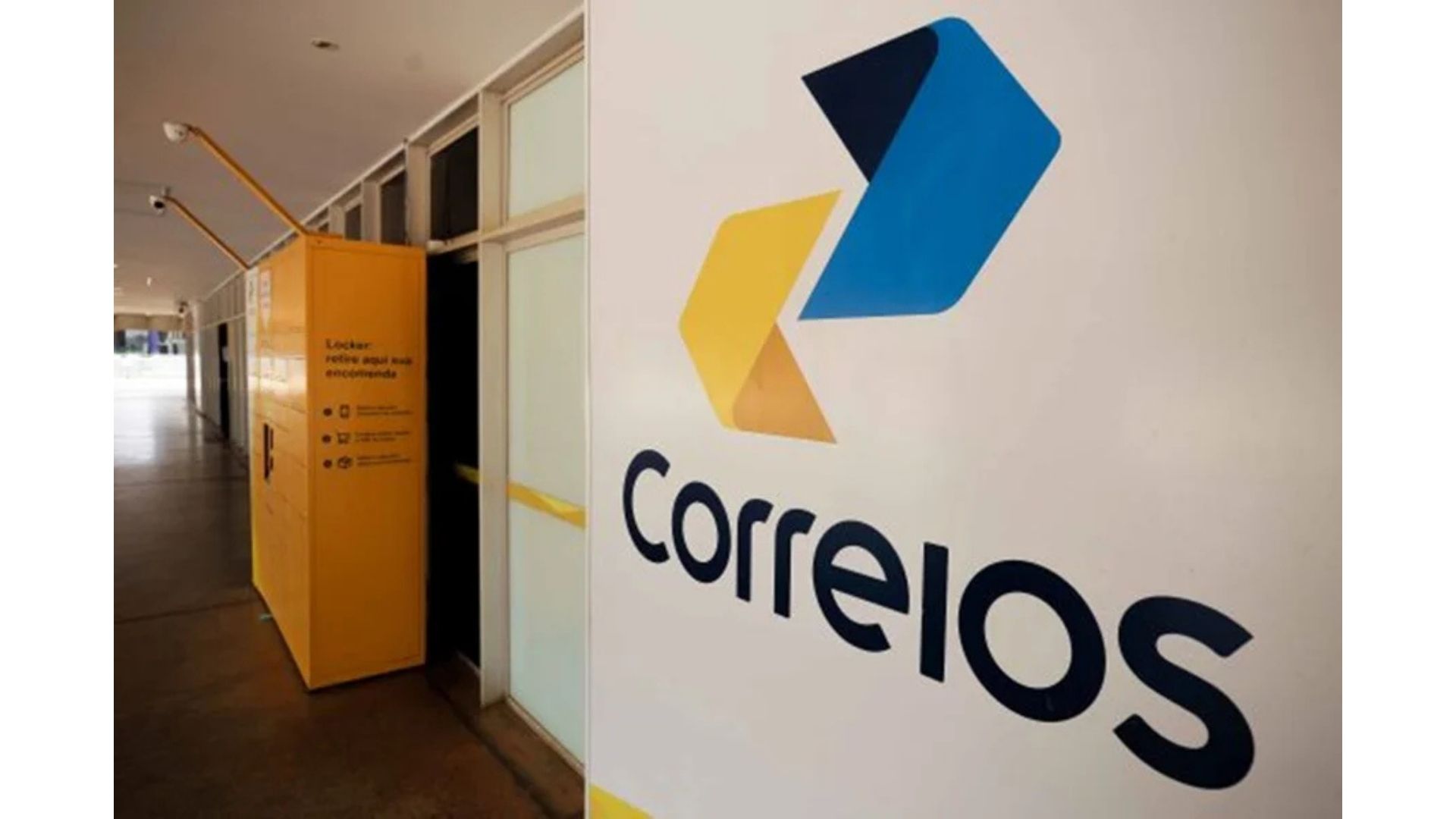
With a loan of R$ 12 billion and a restructuring plan, Correios becomes the state-owned company with the largest debt guaranteed by the Treasury.
-
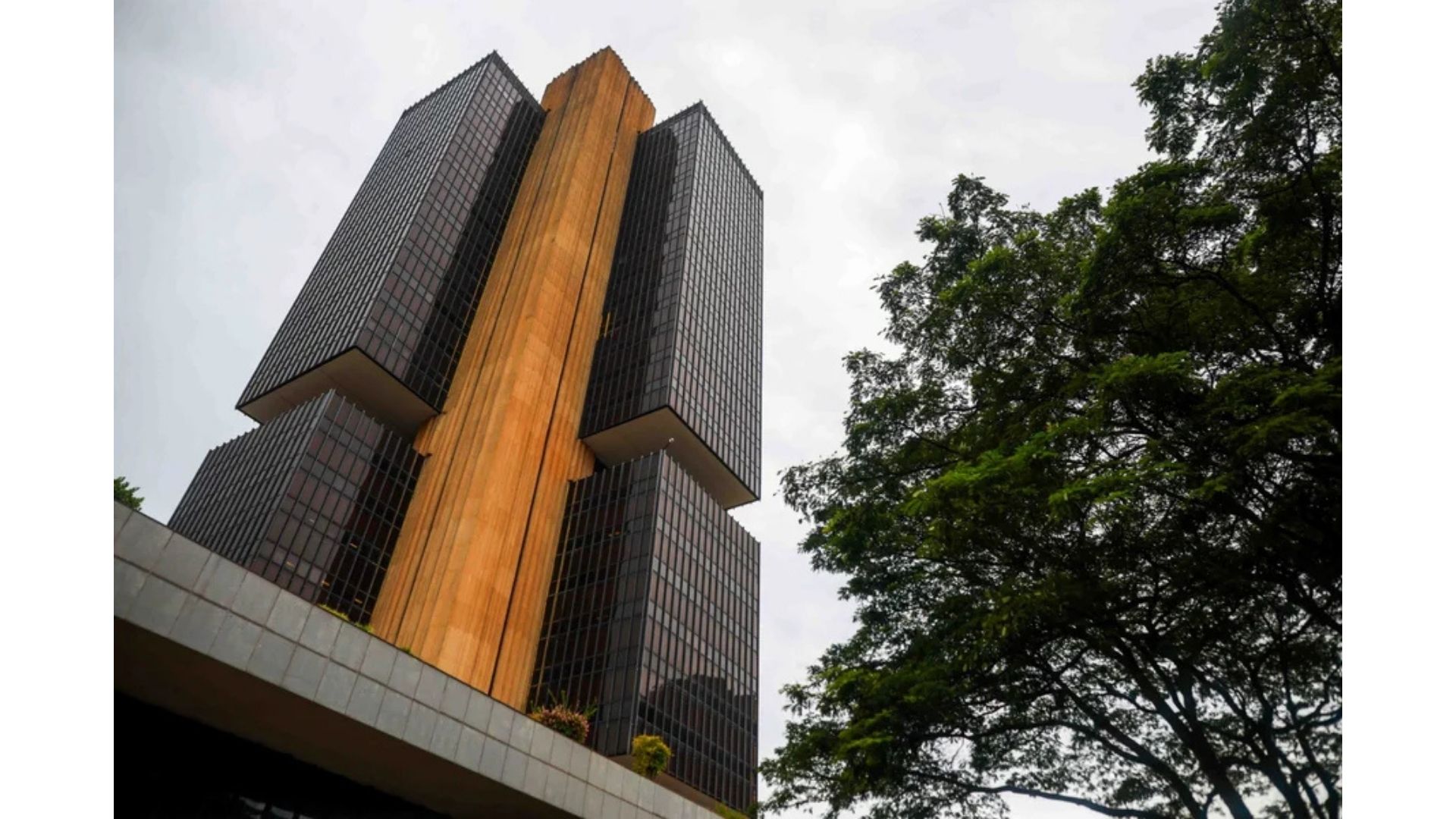
Brazil records the largest external accounts deficit in 11 years with a negative balance of US$ 68.8 billion in 2025.
-
Riachuelo’s CEO says that the “blouse tax” is the wrong name and that it should be called “Chinese incentive.”

-
After 20 years, the export of apples from SC is unblocked with certification in São Joaquim and Fraiburgo and direct shipping from Santa Catarina ports, reducing logistics costs, terminal time, and losses in perishable cargo.

It is estimated that 90% of the energy generated at Itaipu is exported, which ensures a surplus for internal use and allows for extremely low domestic rates.
The state-owned Administración Nacional de Electricidad (ANDE) is responsible for distributing energy throughout Paraguay.
In 2024, the average residential price was around G 373 per kWh, equivalent to US$ 0.05 — about R$ 0.25 at the current exchange rate. Even after recent adjustments, it remains one of the lowest rates in Latin America.
Direct Comparison with Brazil
In Brazil, the scenario is very different. The country relies on a more complex matrix, which includes thermal power plants, and faces higher costs with transmission, sector charges, and taxes.
According to data from the National Electric Energy Agency (ANEEL), the average residential price in Brazil ranges from R$ 0.60 to R$ 1.00 per kWh, depending on the tariff flag and the distributor.
While Paraguay maintains a stable cost, in Brazil the price changes depending on the water levels in hydroelectric reservoirs and the use of thermal energy.
During dry periods, triggering the yellow or red flags can increase bills by up to 15%. Thus, Brazilian consumers may end up paying three to four times more per kilowatt-hour than their Paraguayan counterparts.
A Practical Case: Lu Sales’ Numbers
The bills shared by the influencer help visualize this difference. In July, she paid 66,000 Gs (≈ R$ 50.77); in August, 69,000 Gs (≈ R$ 53.07); and in October, 65,000 Gs (≈ R$ 50). Even considering exchange rate variations and higher consumption due to constant use of air conditioning, the expense remains stable.
If it were in Brazil, similar energy consumption could cost between R$ 180 and R$ 300, depending on the region.
This means that for the same thermal comfort, the cost in Paraguay is only 20% to 30% of what an average Brazilian consumer pays.
Factors That Reduce Cost in Paraguay
The main reason is the low cost of hydroelectric generation. Itaipu and Yacyretá produce energy on a large scale with a reduced marginal cost, as they do not depend on fossil fuels. Additionally, Paraguay applies cross-subsidies and tax exemptions for low and middle-income residential consumers.
Another factor is the low tax burden on electricity. In Brazil, taxes and charges can represent up to 40% of the electricity bill, while in Paraguay this share is much lower. The Paraguayan tariff system also does not have monthly variation flags, which ensures predictability for the consumer.
Historical Context and Energy Dependence
The favorable situation in Paraguay is not coincidental. Since the Itaipu treaty, signed in 1973, the country is entitled to half of the energy generated by the binational plant, although it consumes only about 15%. The surplus is sold to Brazil, generating revenue and allowing for very low internal rates.
This highly export-oriented energy structure guarantees electric self-sufficiency and price stability, even in global crisis scenarios. The 100% renewable production also positions Paraguay as one of the cleanest countries on the planet in terms of energy matrix, something that Brazil, with its partial dependence on thermal power plants, is still striving to achieve.
The Contrast Perceived on Social Media
Lu Sales’ viral case symbolizes the growing contrast between the cost of living in Paraguay and Brazil. For many internet users, paying R$ 50 a month for energy seems almost impossible, especially in times of increasingly high rates in Brazil.
In the comments, Brazilians report bills exceeding R$ 400 during hot months, even with controlled consumption. The post thus served as a reminder of how structural, tax, and energy factors impact the daily lives of families — and how the neighboring country has managed to maintain an efficient and accessible model thus far.
Future Perspectives
Experts say that Paraguay should maintain its competitive rates, but warn of the need for modernization of the grid and greater diversification of the matrix to sustain economic growth. ANDE projects investments in transmission lines and solar generation, but the priority remains to preserve cheap energy as a strategic advantage.
In Brazil, the trend is for gradual increases in costs, driven by charges, subsidies, and inflation in the electricity sector.








Seja o primeiro a reagir!