Portuguese
  Spanish




Preliminary injunction sees signs of direction and questions the non-bidding hiring of 20 robots, suspending the process and payments due to risk to public assets
The Justice suspended, on April 16, 2026, the purchase of R$ 85.5 million in firefighting robots by the government of Paraná. The preliminary decision was signed by substitute judge Bruno Oliveira Dias, of the 2nd Public Treasury Court of Curitiba, after a popular action questioned the process.
The acquisition planned for 20 robots by the Civil Defense of Paraná without bidding, due to unfeasibility, in the AirCore TAF60X model, from a German manufacturer. According to the judge, there are indications that alternatives exist in the market, which would cast doubt on the justification for direct hiring and the risk to public assets.
What the decision determined about the robots
The preliminary injunction determined the immediate suspension of the administrative process, the hiring, and any payments related to the purchase of the robots, until further analysis by the Justice. In practice, this freezes the progress of the contract and prevents disbursements while the merits of the suspicions are re-evaluated.
-
Hurry: Wikipedia pays up to R$ 2,500 for those who write about Minas Gerais, contest entries end on July 10, 2026, and even beginners can “earn,” with prizes starting at R$ 200.

-
A city with 8,000 inhabitants will receive R$ 25 billion to host the largest single-stage pulp mill in the world, with a production of 3.5 million tons per year and a cost of R$ 45 million.
-
He left India for Oman in 1976, entered through the door of luxury finishes, and took Sobha to the premium real estate market in the Middle East.

-
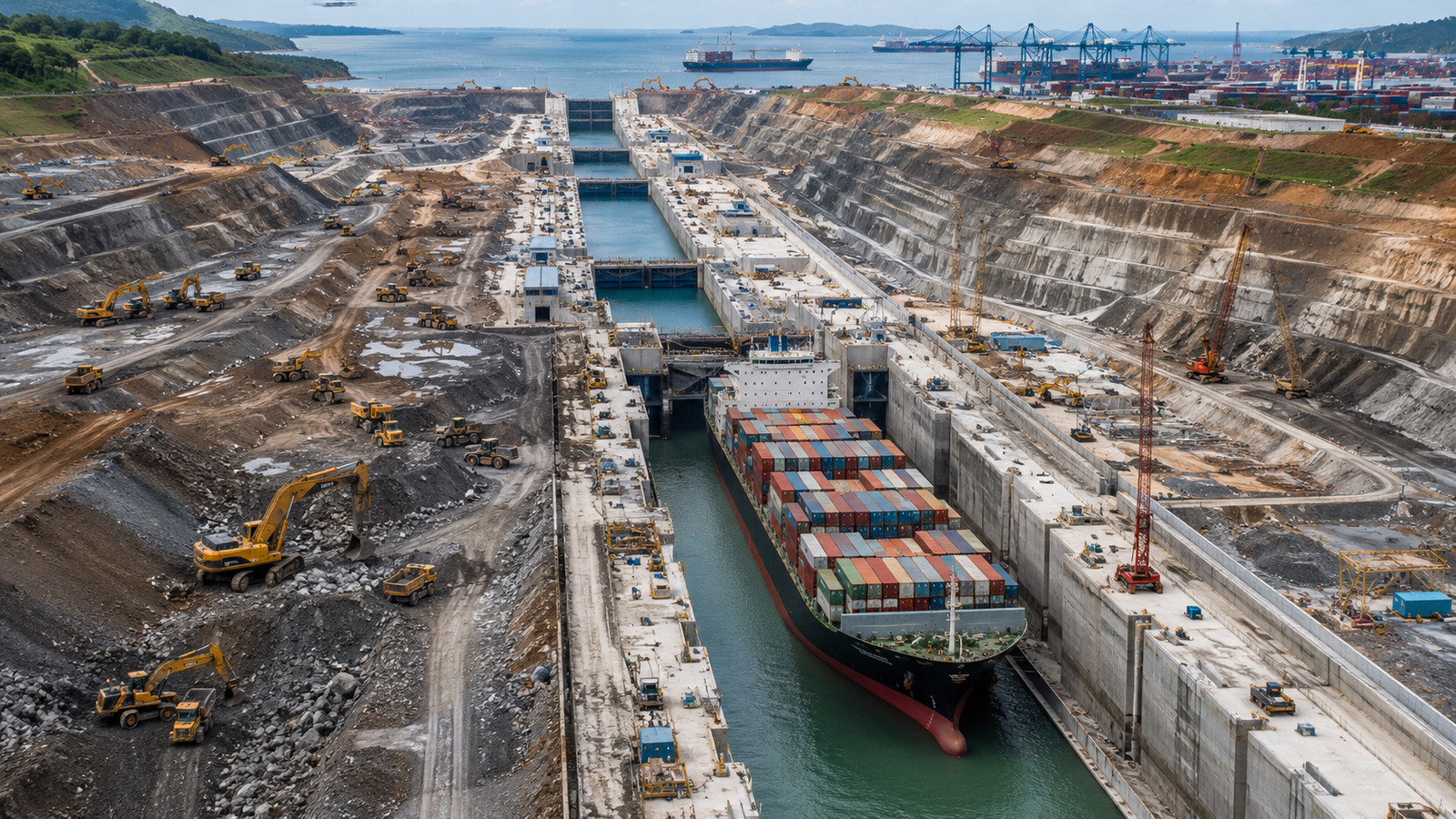
China wants to impress the world once again with a mega canal featuring giant locks, deep waters, and space for the largest ships, in a project aimed at shortening journeys, reducing queues, and rivaling the Panama Canal in global trade.


The judge also highlighted concerns with the preparatory phase of the process, mentioning signs that, in the presented understanding, increase the risk of harm to public assets.
Why Justice questioned the non-bidding hiring
The central argument of the decision is that there were indications of the existence of other robots with similar or even superior capabilities in the market.
A technical report cited in the injunction supports that other models would meet operational needs, which would cast doubt on the thesis of the impossibility of competition used to justify the unfeasibility.
In the judge’s view, if there were multiple possible solutions, the choice of a specific model after technical comparison would weaken the classification as direct hiring.
The amount involved and the risk pointed to public assets
The planned investment for the robots was detailed as R$ 85,542,514.20. The decision also mentions additional risks related to possible failures in the preparatory stage and indications of contract direction, as well as the possibility of advance payments.
These points were used as a basis to support the need to interrupt the process before any financial execution.
What the government of Paraná says about the purchase of the robots
In a statement, the government of Paraná, through the State Civil Defense Coordination, informed that it is preparing an appeal to try to maintain the purchase.
The State stated that the process met legal requirements and technical criteria and said that there was approval from oversight and advisory bodies, including statements from the Attorney General’s Office, which would have attested to the regularity of the procedure and the appropriateness of the adopted modality.
The government also argued that the robots would be aimed at fires of high complexity, especially in locations with a concentration of industries.
What the robots would be used for, according to the official justification
In the justification presented in the note, the government claims that the robots would meet technical and operational requirements considered essential to tackle large-scale and high-complexity fires, citing high water flow and ventilation and the simultaneous operation of systems, which would enhance tactical efficiency.
According to the official position, the reported value would refer to a price registration for potential acquisition, conditioned to financial availability.
In your understanding, when it comes to high-value purchases like these robots, what should weigh more: the speed to equip the State or the requirement for competition to eliminate any doubt about the process?